
How Marketing Agencies Can Easily Offer AR Solutions Using AR Code


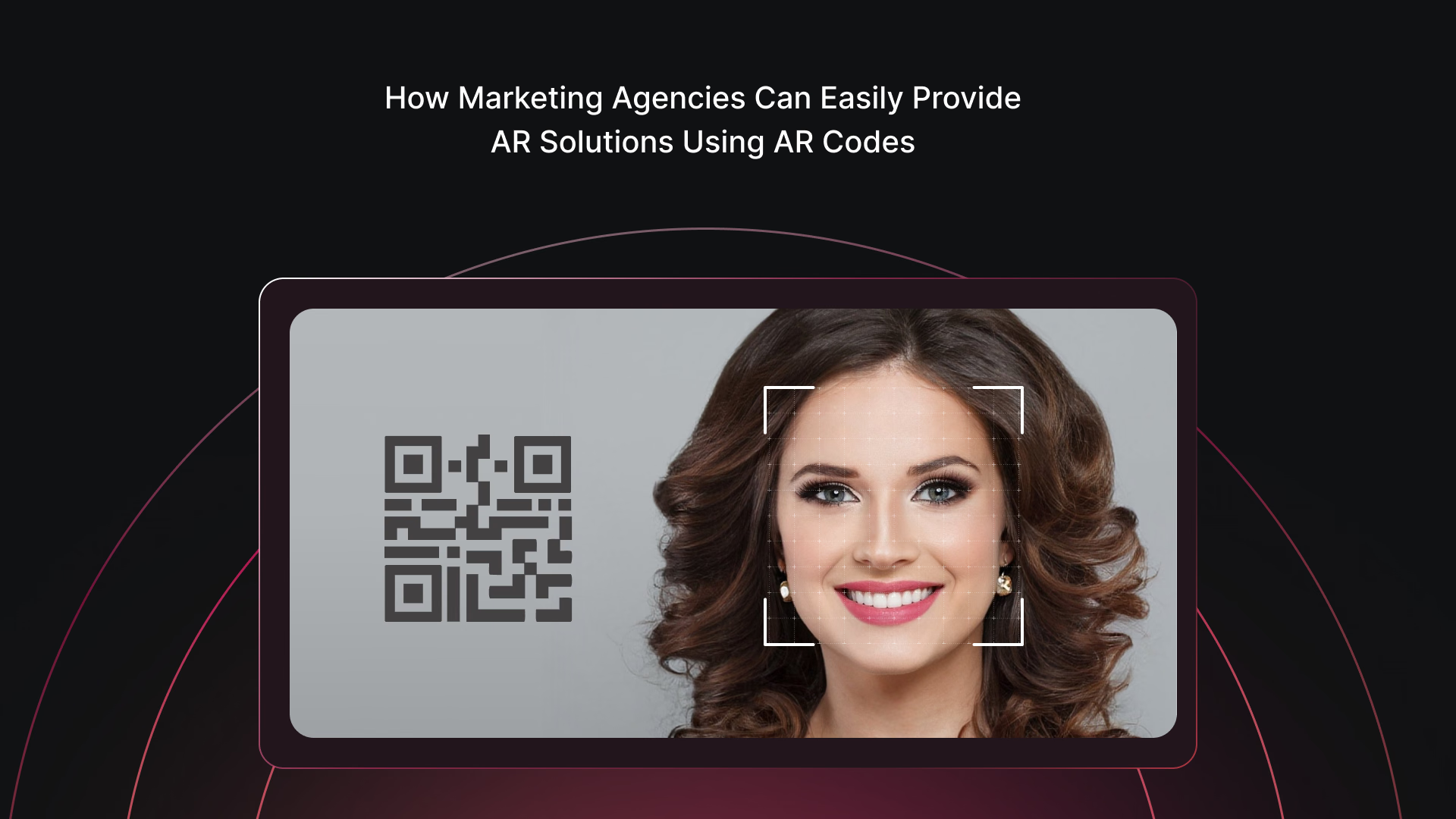
Augmented Reality (AR) has emerged as one of the most exciting and transformative technologies in marketing, enabling businesses to offer immersive and interactive experiences to their customers. For marketing agencies, offering AR solutions using AR code is an innovative way to provide clients with cutting-edge, engaging campaigns that drive higher engagement, conversion rates, and customer loyalty. In this article, we will explore how marketing agencies can easily incorporate AR solutions into their offerings using AR codes, the benefits of using this technology, and real-world examples of how businesses are already leveraging AR to boost their brand presence.
What is AR Code?
An AR Code is a unique, scannable code that, when scanned through a smartphone or AR-enabled device, triggers an augmented reality experience. This code is similar to QR codes but adds a layer of interactive, 3D digital content over the physical world. AR codes can be placed on various media such as printed materials, product packaging, or even digital ads. When users scan the code, they unlock interactive experiences, such as product visualizations, promotional videos, or virtual try-ons, all of which can significantly enhance the user experience.
Why Marketing Agencies Should Offer AR Solutions Using AR Code
Offering AR solutions with AR codes allows marketing agencies to deliver immersive and memorable experiences for their clients, which can lead to greater brand engagement and customer satisfaction. The ability to integrate AR technology with existing marketing materials opens up new possibilities for creative campaigns that attract more attention and drive results.
Here are several reasons why marketing agencies should consider adopting AR codes for their clients:
Enhances Customer Engagement
AR solutions help create more engaging, interactive experiences. AR codes can be placed on print ads, packaging, posters, and even digital billboards to activate exciting digital content. This engagement creates a deeper connection with the brand.
Elevates Brand Visibility
When businesses use AR codes, they make their marketing materials more noticeable. The interactive nature of AR grabs attention and increases the chances of users sharing their experiences, resulting in organic brand exposure.
Improves Product Understanding
AR allows consumers to explore products in 3D or interact with virtual try-ons, helping them make more informed decisions. This can be particularly effective in industries like retail, fashion, and real estate, where physical interaction with products or spaces can be difficult.
Trackable Data for Better Analytics
AR codes provide valuable insights into consumer behavior. Marketing agencies can gather data on how many people scanned the AR code, how long they interacted with the content, and what actions they took after the experience, offering an opportunity to fine-tune future campaigns.
Cost-Effective
By integrating AR into existing marketing materials through AR codes, businesses can avoid the high costs associated with developing complex standalone AR apps. This makes AR more accessible for businesses of all sizes.
The Future of Interactive Advertising
The future of interactive advertising is intrinsically linked to the rise of immersive technologies like AR. As the technology continues to evolve, AR-powered ads are expected to become even more dynamic, interactive, and personalized.
Personalization at Scale
AR codes can enable hyper-personalized experiences by tailoring the content based on user preferences or location. For example, an AR experience could display different product recommendations depending on the user's browsing history or geolocation.
Seamless Integration with Digital Platforms
In the future, AR codes will seamlessly integrate with digital advertising platforms such as social media, search engines, and websites. This will provide businesses with the ability to run interactive AR campaigns that are both fun and functional across multiple touchpoints.
Increased Adoption by Brands
As the technology becomes more mainstream, expect to see more brands adopting AR-powered advertising. From creating interactive billboards to offering virtual product trials, AR will become a cornerstone of digital marketing strategies.
AR Codes for Augmented Reality in Marketing Materials
One of the easiest ways for marketing agencies to offer AR solutions is by incorporating AR codes into existing marketing materials. Here are some ways businesses can leverage AR codes:
Printed Materials
AR codes can be placed on business cards, brochures, flyers, and posters to trigger digital content when scanned. This could be anything from a 3D product demo to a behind-the-scenes video.

Product Packaging
Brands can place AR codes on packaging, allowing consumers to scan the product and receive additional information, tutorials, or promotional offers. For instance, a cosmetics brand might offer a virtual try-on experience through AR codes on their product boxes.
Retail Displays
Retailers can use AR codes on in-store displays to provide an interactive shopping experience. Consumers can scan the AR code to view product reviews, compare prices, or get styling tips for different outfits.
Event Invitations
For event marketing, AR codes on invitations can provide a preview of the event, exclusive content, or RSVP features, creating a more engaging and memorable invite.
Billboards and Outdoor Ads
By integrating AR codes into outdoor advertising, agencies can create powerful, attention-grabbing experiences. When a user scans the code, they could access promotional videos, virtual tours, or product catalogs.
The Impact of AR Codes on Interactive Advertising
AR codes are redefining the landscape of interactive advertising by making it possible to merge the physical and digital worlds in ways that were previously unimaginable.
Enhanced Consumer Experience
AR enhances the customer experience by offering something that print or traditional digital ads can't: interactivity. When consumers scan an AR code, they unlock content that is immersive, engaging, and tailored to their interests. For example, furniture retailers like IKEA have used AR codes to allow customers to visualize how a piece of furniture would look in their home environment before making a purchase.
Improved Brand Recall and Engagement
When consumers interact with AR codes, it creates a more memorable brand experience. The novelty of AR encourages consumers to spend more time engaging with the brand, increasing brand recall. This higher level of engagement translates to better retention, stronger emotional connections, and higher conversion rates.
Real-Time Interactions and Instant Gratification
AR codes allow for real-time engagement. Consumers can instantly access AR content and experience a product or service in action. This level of immediacy can boost consumer satisfaction and drive conversions, especially in industries where time-sensitive decisions are important, like e-commerce and travel.
Higher Conversion Rates
With interactive AR content, consumers are more likely to take the next step in the buying journey, whether that means making a purchase, subscribing to a service, or signing up for a newsletter. The engaging and personalized nature of AR experiences can dramatically increase conversion rates compared to traditional forms of advertising.
How Brands Are Using AR Codes to Transform Marketing Campaigns
L'Oreal Virtual Try-On
L'Oreal has integrated AR technology into its marketing campaigns through AR codes on packaging. When customers scan the AR code on L'Oreal products, they are offered a virtual makeup try-on experience, allowing them to see how various makeup products would look on their faces in real time. This AR-powered experience boosts customer confidence and helps drive sales.
Pepsi's AR-Enabled Vending Machines
Pepsi introduced an innovative AR marketing campaign through its vending machines. By scanning the AR code on the machine, customers could access fun, interactive games and win free products. This campaign encouraged user interaction and created a memorable brand experience that resonated with Pepsi's audience.
Nike's AR Shoe Customization
Nike uses AR codes in their stores and online to allow customers to customize shoes through an interactive AR experience. By scanning the code, customers can see how different designs and color options look on their shoes, creating an engaging shopping experience that drives sales.
Conclusion: Empowering Marketing Agencies with AR Code Solutions
The use of AR codes is revolutionizing the way marketing agencies create and deliver engaging campaigns. By integrating AR codes into print, digital, and outdoor advertising, agencies can offer businesses a more immersive and interactive way to connect with their audiences. The future of advertising is undoubtedly interactive, and AR solutions using AR codes offer the perfect way for businesses to stay ahead of the curve. Whether it's enhancing customer engagement, boosting conversion rates, or offering personalized experiences, AR codes provide a valuable tool for businesses looking to leverage the power of augmented reality in their marketing strategies.
Marketing agencies that adopt AR technology will not only improve their offerings but also help clients achieve greater success in a rapidly changing digital landscape. So, if you're a marketing agency, now is the time to explore how AR codes can be seamlessly integrated into your campaigns to offer clients exceptional, innovative marketing solutions.
GlamAR is also leading the way in using augmented reality to enhance customer experiences, and their innovative solutions can help businesses bring products to life through immersive AR try-ons, boosting engagement and conversions. Reach out to GlamAR to learn how their AR technology can elevate your marketing campaigns and set you apart in the competitive digital space.










