
The AR Revolution in Retail: Evolving Consumer Expectations


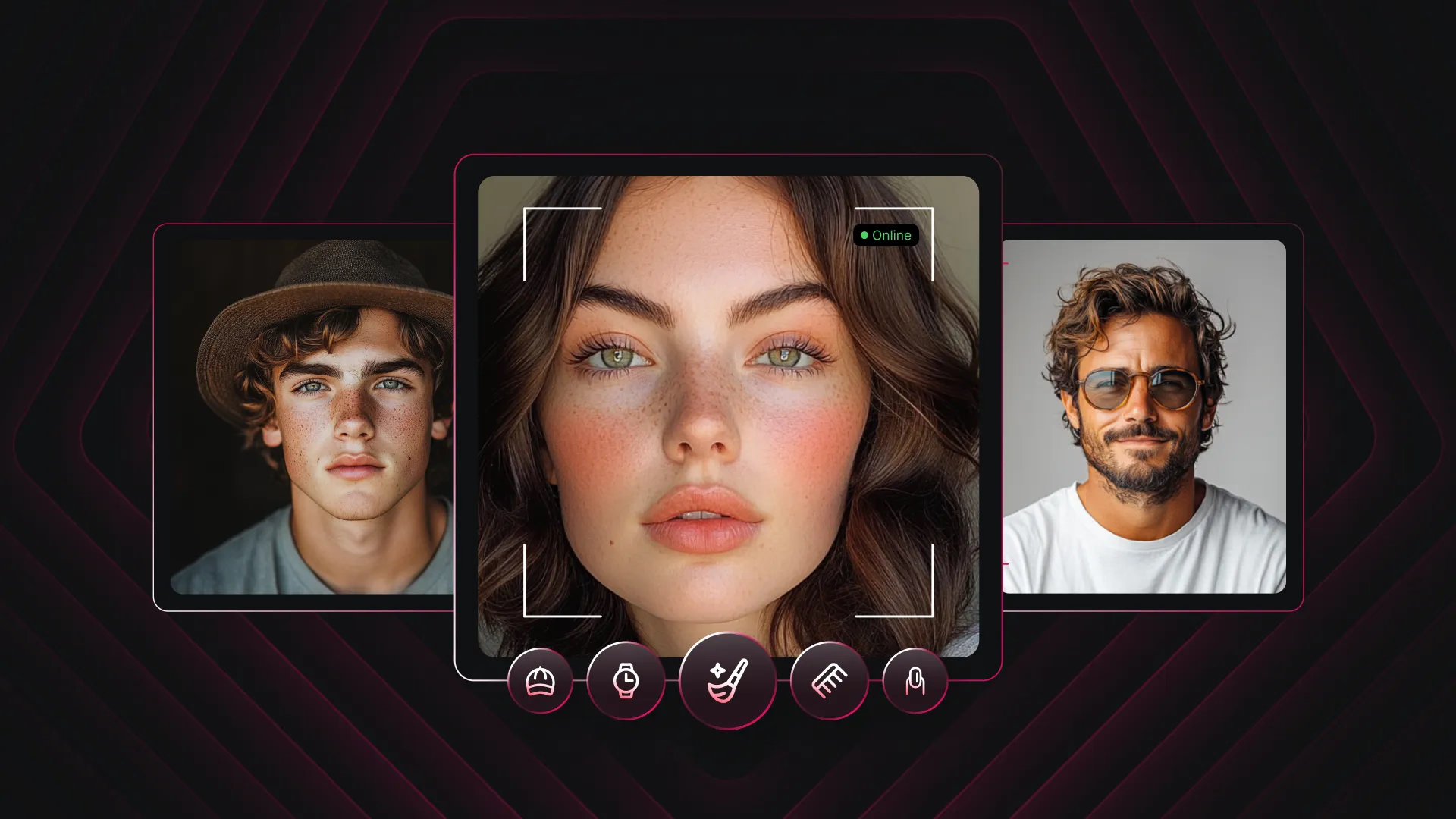
The retail landscape is undergoing a dramatic transformation, driven by the widespread adoption of Augmented Reality (AR) technology. What was once considered a futuristic concept has become an integral part of the modern shopping experience, fundamentally changing how consumers interact with products and make purchasing decisions. This shift has been particularly accelerated by the introduction of virtual try-on solutions, which have revolutionized the way people shop for everything from cosmetics to furniture.
The Current State of AR in Retail
Virtual Try-On: The Game Changer
The most significant impact of AR in retail has been the introduction of virtual try-on capabilities. This technology allows customers to visualize products on themselves or in their space before making a purchase, effectively bridging the gap between online and physical shopping experiences. Major retailers and brands have reported significant increases in conversion rates and decreases in return rates after implementing AR try-on solutions:
- Cosmetics companies like Sephora and MAC have seen a 20-30% increase in conversion rates with virtual makeup try-on
- Eyewear retailers report up to 40% reduction in return rates
- Furniture retailers like IKEA have experienced a 35% increase in average order value

Beyond Try-On: Comprehensive AR Applications in Retail
While virtual try-ons are among the most popular applications of augmented reality (AR) in retail, many other AR-powered solutions are transforming the way consumers shop, engage with brands, and make purchasing decisions. This article delves into some of the most impactful AR applications beyond virtual try-on, exploring their influence on consumer expectations, purchasing behavior, and brand engagement.
In-Store Navigation
Retailers are harnessing AR to enhance the in-store shopping experience by offering innovative navigation tools. These solutions provide a more personalized and efficient shopping experience:
- Smart Mirrors: Positioned in-store, these mirrors use AR to display product information, recommendations, and even virtual try-ons for additional products, all without needing a sales assistant.
- AR Store Maps: Interactive maps allow customers to locate products more easily within large stores, using their smartphones to guide them to specific sections or items.
- Personalized Shopping Assistants: AR-powered assistants can recommend products based on user preferences and purchasing history, creating a more tailored shopping experience.
- Retail Navigation: By overlaying directions within a store, AR helps shoppers find their way through complex layouts, leading to a smoother and faster in-store journey.
Product Visualization
AR is revolutionizing product visualization, allowing shoppers to interact with products before they buy. From 3D models to customization options, these applications help bridge the gap between physical and online shopping:
- 360-Degree Product Views: AR allows shoppers to rotate products, view them from multiple angles, and zoom in on specific details, all of which build confidence and enhance product transparency.
- Real-Time Customization: Consumers can adjust colors, patterns, and textures, visualizing how different variations of a product will look, which is especially beneficial in categories like furniture, vehicles, and fashion.
- Size and Fit Visualization: From furniture to footwear, AR provides realistic sizing and scale to help shoppers determine if a product will fit into their physical space or meet their sizing needs.
Interactive Marketing
AR enables brands to engage customers with immersive marketing experiences that encourage interaction and create memorable moments:
- AR-Enabled Packaging: Brands are incorporating AR codes into packaging, which, when scanned, reveal exclusive content such as brand stories, product usage tips, and entertaining animations, creating a more interactive unboxing experience.
- Interactive Store Windows: Through augmented reality displays, store windows come to life with moving visuals and effects, catching the attention of passersby and inviting them to engage with the brand before even stepping inside.
- Gamified Shopping Experiences: Some retailers, inspired by gaming mechanics, create AR treasure hunts, brand challenges, or loyalty rewards within their stores, transforming shopping into a fun and interactive activity.some text
- Case Study (March 2023): Notable brands like Oreo, Adidas, and Puma have launched successful AR, VR, and gaming campaigns, using these technologies to build engagement and drive awareness.
The Evolution of Consumer Expectations with AR in Retail
With AR becoming a standard in retail, consumer expectations have evolved. Here’s a look at some emerging demands and standards:
Immediate Visualization
Today’s consumers expect to see products in real-world contexts before purchasing. This spans across multiple sectors:
- Fashion: Virtual clothing try-ons allow shoppers to see how clothes will look and fit on their bodies.
- Home Decor: Consumers can visualize furniture placement in their homes, reducing hesitation around purchasing large items online.
- Beauty: Shoppers can see makeup and hair colors applied to their faces virtually, offering a realistic preview.
- Accessories: Jewelry, eyewear, and watches can all be "tried on" virtually, helping consumers decide on purchases with confidence.
Enhanced Product Information
AR has elevated the depth of product information available to consumers. Now, customers expect an interactive and detailed experience:
- 360-Degree Views: Detailed, rotating views of products allow customers to inspect every angle.
- Size and Fit Recommendations: With body measurements or space dimensions, AR can recommend optimal product sizes.
- Real-Time Customization: Personalized options such as color and material changes let customers preview variations instantly.
- Detailed AR Overlays: AR can add specifications, user reviews, and usage instructions, providing a more comprehensive understanding of each product.
Seamless Omnichannel Experience
Consumers now look for consistent AR experiences whether they’re shopping online, in-store, or on social media. AR applications are being integrated across:
- Mobile Apps: Offering AR-powered product previews or try-ons directly on smartphones.
- Websites: Retailers are embedding AR viewers, enabling customers to interact with products on their websites.
- In-Store Displays: Stores are using AR mirrors and displays to allow in-store product interactions.
- Social Media: Platforms like Instagram and Snapchat are popular for AR filters and try-on options, bringing retail to the social sphere.
Impact on Purchase Behavior
The introduction of AR into retail has proven to significantly impact purchasing decisions, improving engagement, confidence, and overall satisfaction:
Increased Confidence
- 71% of consumers state they’d shop more often if AR were available.
- 61% prefer to shop at retailers offering AR experiences.
- 40% are even willing to pay more for products they can preview in AR.
Reduced Purchase Friction
AR also helps eliminate doubts and makes the buying process smoother, leading to:
- 35% fewer product returns, as customers make more informed purchases.
- 48% reduction in purchase hesitation, as AR clarifies details like fit and appearance.
- 25% increase in average cart value, as customers feel more confident and willing to spend.
Enhanced Engagement
AR keeps customers engaged with brands longer, creating memorable and satisfying shopping experiences:
- Shoppers spend 2.7 times longer on AR-enabled product pages.
- 90% higher conversion rates for AR-engaged customers.
- 73% of customers report greater satisfaction after using AR for shopping.
Conclusion
The integration of AR technology in retail, particularly virtual try-on solutions, has fundamentally transformed both the shopping experience and consumer expectations. As technology continues to evolve and become more sophisticated, retailers must adapt to meet these new standards or risk falling behind. The future of retail lies in creating seamless, immersive experiences that blend the physical and digital worlds, with AR serving as the bridge between them.










