
How Gen Z and augmented reality are redefining retail trends in 2025


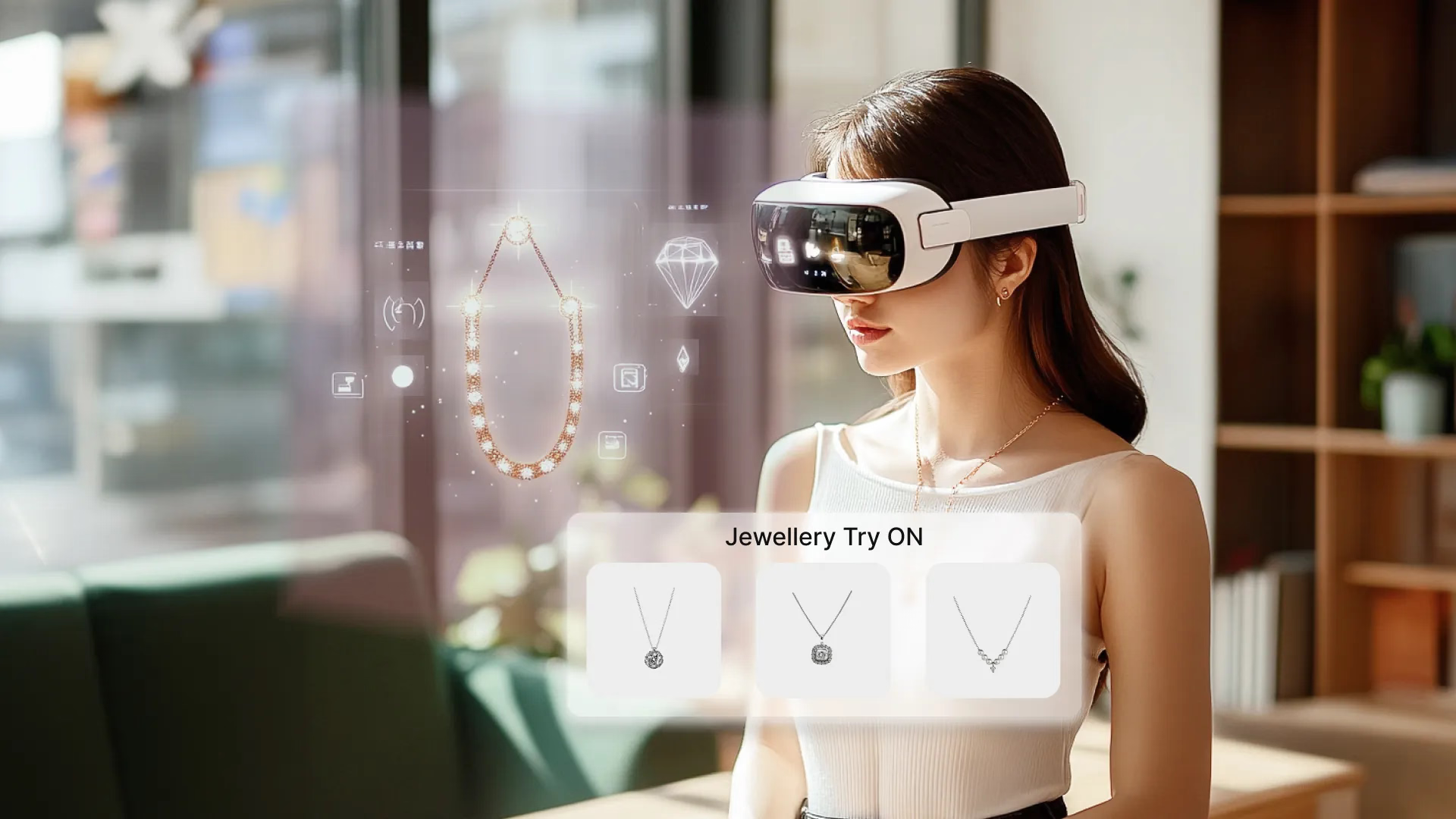
Generation Z (Gen Z), born between 1997 and 2012, is emerging as a powerhouse in the global economy. With unique values, technological fluency, and an affinity for immersive experiences, this generation is driving significant shifts in consumer behavior. A recent study by BCG and Snap Inc. India showcased a first-of-its-kind perspective on this segment. Businesses aiming to stay relevant must adapt to their preferences, particularly by integrating augmented reality (AR) into shopping experiences. This article explores Gen Z’s growing influence, their distinct shopping habits, and why businesses should embrace AR to remain competitive.


The economic power of Gen Z
Unprecedented spending power
Gen Z’s global spending power is projected to soar to $12 trillion by 2030, making them one of the most financially influential generations in history. This growth stems from their increasing entry into the workforce and unique consumption habits. In North America and Europe, Gen Z already outspends Millennials by 25%. In Asia, this figure doubles, reflecting the region’s rapid economic expansion.
Informed and conscious consumers
Unlike previous generations, Gen Z prioritizes informed purchasing decisions. They actively seek transparency, aligning their spending with values like sustainability, inclusivity, and authenticity. This conscientious approach has redefined what it means to “win over” the modern consumer.
How gen Z shops: The role of AR and social media
Gen Z’s love for AR
AR has emerged as a preferred tool for Gen Z consumers who value interactive and immersive shopping experiences.
The AR advantage
- 92% of Gen Z shoppers express interest in using AR tools while shopping online.
- 81% of Gen Z and Millennials believe AR enhances in-store shopping experiences.
By allowing users to visualize products in real-world contexts, AR reduces purchase hesitation, drives conversions, and minimizes returns a win-win for both consumers and retailers.
Social media: The new shopping mall
Social media platforms are central to Gen Z’s shopping journey. They not only discover products but also validate purchases through peer reviews and influencer endorsements.
Key highlights of social media’s influence
- 58% of Gen Z have bought products discovered on social media platforms.
- 29% are more likely to purchase from brands with active social media engagement.
The power of influencers: Influencers serve as trusted guides for Gen Z consumers. Authentic endorsements can make or break a product’s success, emphasizing the need for strategic influencer partnerships.
Why businesses must adopt AR now
Consumer expectations are evolving
Today’s shoppers demand more than transactional experiences. They seek immersive and personalized interactions, and AR delivers on both fronts.
- Enhancing the Shopping Experience: Retailers using AR can enable consumers to try on clothes virtually, preview furniture in their homes, or explore product features in 3D.
- Driving Engagement and Loyalty: Businesses that integrate AR into their strategies report higher customer engagement and stronger brand loyalty, particularly among younger demographics.
The risk of staying stagnant
Companies that fail to adopt AR risk losing relevance in a competitive market. As AR adoption becomes mainstream, brands that lag behind may find it increasingly difficult to attract and retain Gen Z consumers who are currently the largest consumer population in the world.
The future of shopping: Virtual stores and VR
The retail industry is witnessing the rise of virtual stores and virtual reality (VR) as complementary tools to AR. These technologies are redefining how consumers interact with brands, offering immersive environments that were once unimaginable.
Virtual stores: Shopping without boundaries
Virtual stores provide a fully digital shopping environment where consumers can browse, select, and purchase products without leaving their homes.
Examples of innovation
- Luxury brands are creating virtual boutiques to showcase their collections in a 3D environment.
- Retailers are building virtual malls, allowing users to shop multiple brands seamlessly.
Advantages: Virtual stores break geographical barriers, enabling global consumers to access products while reducing operational costs for businesses.
Virtual reality’s expanding role
VR goes a step further by immersing consumers in lifelike scenarios. This is especially valuable for industries like real estate, automotive, and travel, where experiential previews drive purchase decisions.
Applications in retail
- Virtual fitting rooms where customers can try on clothing or accessories.
- VR tours of stores or showrooms to enhance product exploration.
The synergy of XR and AI
The synergy of AR, VR, MR, and AI represents a convergence of technologies, unlocking new possibilities for businesses and consumers alike. Augmented Reality (AR) enhances the real world with digital overlays, while Virtual Reality (VR) immerses users in fully virtual environments. Mixed Reality (MR) blends physical and digital elements, enabling interactive experiences in real-world settings. Artificial Intelligence (AI) enhances these technologies by analyzing data, personalizing experiences, and enabling real-time decision-making. Together, they create solutions that drive innovation whether in e-commerce with virtual try-ons or retail with personalized shopping journeys.
Gen Z’s preferences and behaviors are setting the stage for the future of retail. Businesses that recognize and adapt to these trends particularly by leveraging AR, VR, and social media—are poised to thrive in this evolving landscape. Conversely, those that fail to evolve risk being left behind in a rapidly digitizing world.










