
Changing Advertising with 3D Ads: The Future of Marketing in 2025


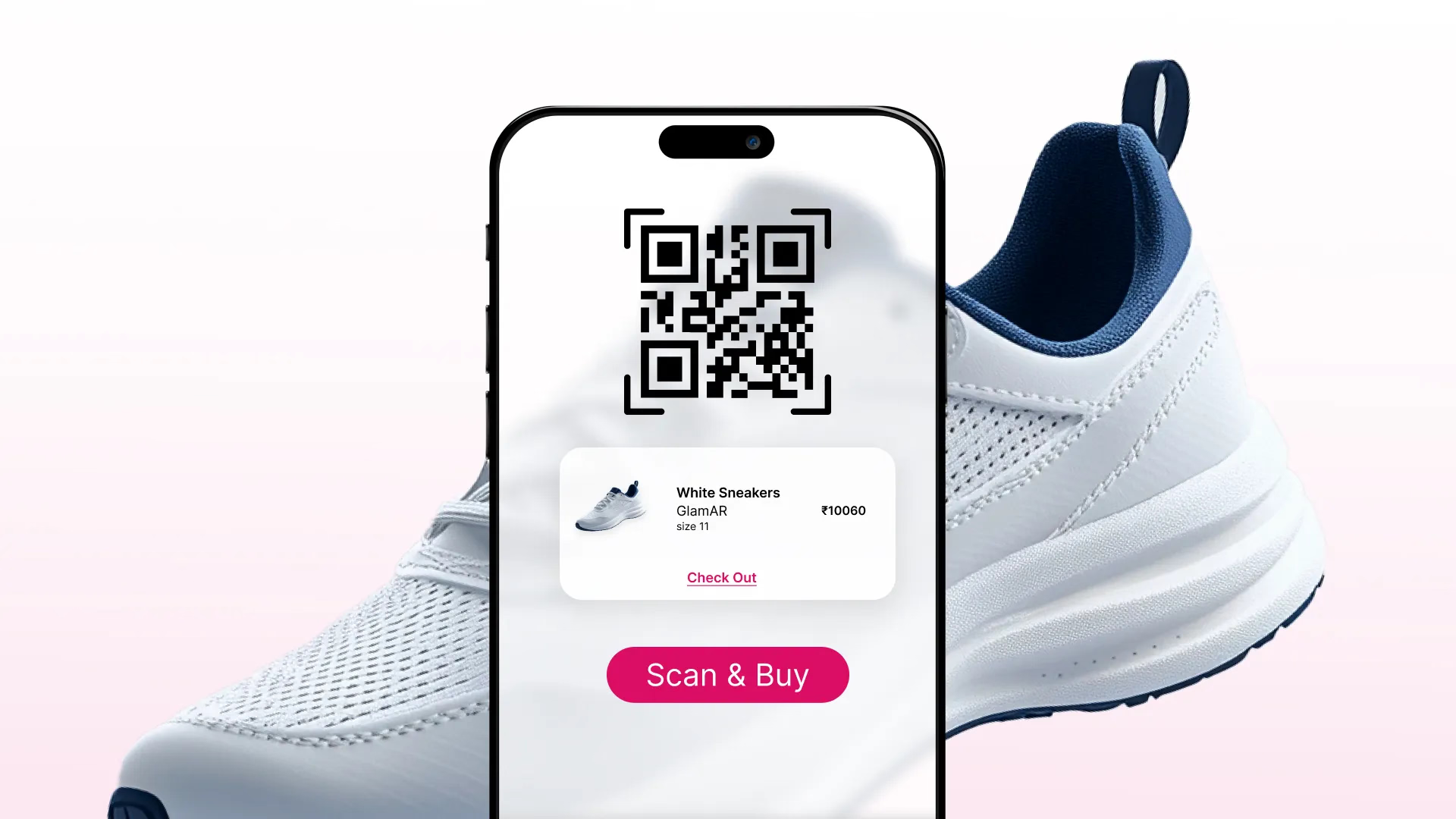
Imagine flipping through your phone and seeing a shoe ad—not just any ad but one where you can rotate, zoom in, and even try the shoe on virtually. That’s the power of 3D ads. As advertising evolves, businesses are shifting from static images to interactive experiences that leave a lasting impression.
3D ads aren’t just a trend—they’re transforming how brands connect with audiences, offering immersive experiences that elevate engagement and conversion rates. If you’re ready to take your marketing strategy to the next dimension, this guide is for you.


What Are 3D Ads?
At their core, 3D ads are interactive advertisements that allow users to engage with products in a realistic, three-dimensional space. Unlike traditional 2D ads, 3D ads provide a tangible feel, enabling customers to interact with and experience the product virtually.
Types of 3D Ads
- Interactive Web Ads: Embedded 3D models on websites for product visualization.
- AR-Enabled Mobile Ads: Ads allowing users to try or view products in their real environment.
- Social Media 3D Formats: Platforms like Facebook and Snapchat support 3D ad features.
- Immersive 3D Displays: Physical spaces with 3D projections or holograms.
Why 3D Ads Matter in 2025
Meeting Consumer Expectations
Today’s consumers demand more than static visuals—they want engagement and realism. A 3D ad lets them visualize how a product fits into their life, leading to informed decisions.
Leveraging Technology
With the rise of AR/VR and the accessibility of 3D modeling software, creating interactive ads is no longer confined to tech giants.
Standing Out in Crowded Markets
In a world flooded with content, 3D ads give brands a competitive edge, ensuring their message cuts through the noise.a
Benefits of 3D Ads for Businesses
Higher Engagement Rates
Why it Matters:
Interactive 3D ads captivate viewers more effectively than static or traditional video ads. By allowing users to rotate, zoom, or interact with products, businesses can hold attention longer.
Example: Mcdonalds Increased social shares and foot traffic to outlets by 3D models of burgers or beverages, allowing zooming in to see details like ingredients and presentation.
Enhanced Product Understanding
Why it Matters:
3D ads provide a lifelike representation of products, allowing potential customers to examine them from every angle. This reduces uncertainty and helps buyers feel more confident in their choices.
Example: Automotive companies like Audi use 3D ads to let potential buyers explore car interiors and features, resulting in higher lead-to-sale ratios.
Boost in Conversion Rates
Why it Matters:
Immersive experiences encourage faster decision-making. When customers can visualize how a product fits their needs, they’re more likely to click “Buy.”
Example: Sephora’s AR-powered 3D makeup ads showed a 200% increase in conversion rates during campaigns, thanks to virtual try-ons.
Differentiation in Competitive Markets
Why it Matters:
In crowded digital spaces, standing out is critical. 3D ads differentiate brands with their novelty and technological edge, making them memorable.
Example: Luxury brands like Gucci and Burberry leveraged 3D ads to maintain their premium appeal, elevating customer perceptions of their products.
Cost-Effective Product Visualization
Why it Matters:
3D ads allow businesses to showcase products in detail without the costs associated with creating physical displays or prototypes.
Example: Furniture companies like IKEA reduce costs by replacing in-store demonstrations with AR-enabled 3D ads, showcasing their catalog virtually.
Expanding Audience Reach
Why it Matters:
3D ads integrate seamlessly with social media platforms, mobile devices, and AR/VR environments, reaching tech-savvy and mobile-first audiences.
Example: Facebook and Instagram support interactive 3D ads that perform exceptionally well among Gen Z and millennial users.
Scalability Across Industries
Why it Matters:
3D ads are versatile and applicable across industries like e-commerce, automotive, real estate, and gaming. This makes them a scalable solution for diverse marketing needs.
Example: Real estate businesses use 3D ads for virtual walkthroughs of properties, while gaming companies promote new launches with 3D models.
Real-Time Customization
Why it Matters:
3D ads can be dynamically customized based on user data, allowing for hyper-personalized experiences.
Example: Nike personalizes sneaker ads, letting customers choose colors and designs interactively, creating a one-of-a-kind experience.
Increased ROI on Marketing Spend
Why it Matters:
The high engagement, click-through rates, and conversions associated with 3D ads lead to a better return on ad spend (ROAS).
Example: Reports show that 3D ads can deliver up to 80% better ROAS compared to traditional display ads.
How 3D Ads Work
Technology
- AR/VR Integration: Enhancing real-world interactions.
- 3D Modeling Software: Tools like Blender or Maya create detailed models.
- Platforms: Facebook, Google Ads, and Snapchat support 3D ad deployment.
Delivery Mechanisms
- Mobile: AR-enabled experiences.
- Web: Quick-loading 3D models optimized for browsers.
- E-commerce: Product visualization directly on store pages.
How to Get Started with 3D Ads
- Understand Your Audience: What do they expect from your product or service?
- Choose Platforms: Identify where your audience is active—social media, e-commerce, or mobile apps.
- Create Engaging Content: Focus on realism and interactivity.
- Test and Optimize: Use A/B testing to refine your ad’s performance.
- Track Metrics: Measure engagement, clicks, and ROI.
Challenges and Solutions
Challenges
- High production costs.
- Technical expertise required.
- Platform compatibility issues.
Solutions
- Use cost-effective platforms like GlamAR.
- Repurpose existing 3D models.
- Partner with AR/VR experts for smooth execution.
ROI of 3D Ads
- Statistics: Businesses using 3D ads report a 40% increase in engagement and 25% growth in sales.
- Long-Term Benefits: Builds trust and reduces return rates.
- Cost vs. Benefit: While upfront costs may be higher, the returns justify the investment.
Conclusion
3D ads are the future of advertising, offering businesses an innovative way to engage, educate, and convert their audiences. Whether you’re an e-commerce brand, a real estate company, or a fashion retailer, 3D ads can elevate your strategy and set you apart from competitors.
Ready to bring your products to life? Contact GlamAR today for a demo and see the impact of 3D ads on your business!










