
How Gamification Can Supercharge Your E-commerce Success


LinkedIn Feed
In today's highly competitive market, delivering unique and engaging customer experiences is crucial for building brand loyalty and driving engagement. Gamification has emerged as a proven strategy, enabling businesses to transform everyday interactions into dynamic, interactive experiences. With the rapid advancement of Virtual Reality (VR), companies now have the opportunity to elevate these experiences even further, immersing customers in fully interactive, gamified environments.
For brands looking to stand out and enhance their customer experience, integrating gamified VR is more than just an innovation — it’s a strategic advantage. This approach creates memorable, engaging interactions and addresses key business challenges such as declining user engagement, high cart abandonment rates, and the increasing need for brand differentiation.
At GlamAR, we are leading the charge in merging gamified experiences with advanced VR technology. Our solutions empower brands to connect with customers on a deeper, more immersive level. Read on to discover how GlamAR can help your brand harness the power of gamified VR to deliver unforgettable experiences that inspire action and foster lasting engagement.


What is Gamification in E-commerce?
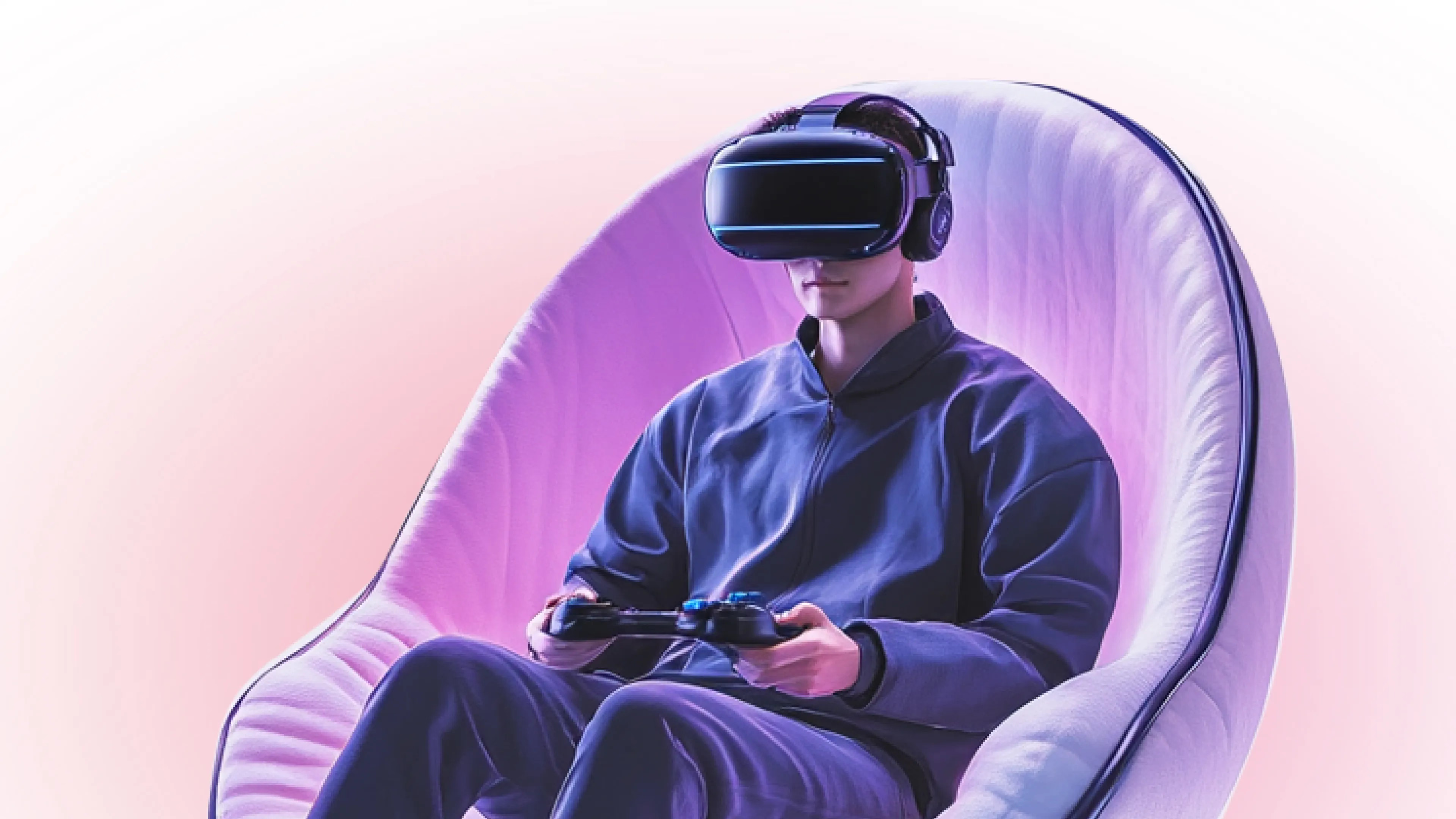
Gamified Virtual Reality (VR) in e-commerce takes this concept further by blending immersive VR environments with game-based elements to revolutionize how consumers shop online. Instead of merely browsing product pages, customers can enter fully interactive virtual spaces where they explore products, engage in challenges, and earn rewards, all while feeling immersed in a game-like experience.
Imagine walking through a virtual store where you can pick up, examine, and test products in a fully 3D space. Now, add elements of a game—complete specific tasks to earn points, participate in mini-challenges for exclusive discounts, or unlock rewards by achieving milestones. This combination of VR technology and gamification brings a new dimension to online shopping, transforming it from a passive activity to an engaging journey that keeps users hooked.
Key Elements of Gamified VR in E-commerce
For e-commerce businesses, gamified VR offers numerous ways to enhance the shopping experience. Here are some of the key elements:
Immersive Product Exploration
In a gamified VR environment, users can explore products virtually, walking through digital showrooms or interacting with 3D models of items. This gives them a better sense of scale, quality, and design, as opposed to flat product images.
Interactive Tasks and Challenges
Businesses can introduce mini-games, quizzes, or tasks within the virtual environment. For instance, customers might need to solve a puzzle to unlock special discounts or complete challenges like finding hidden products to win exclusive rewards.
Rewards and Incentives
Just like in traditional games, rewards like points, badges, or discount coupons can be integrated into the shopping experience. Customers are encouraged to complete tasks, collect points, or reach specific milestones, keeping them engaged and increasing the likelihood of repeat purchases.
Leaderboards and Social Sharing
To boost competition and social interaction, businesses can introduce leaderboards where customers can see how they rank in challenges. Integration with social media platforms allows users to share their achievements and rewards, further promoting the brand.
Personalization and Customization
By using data collected during the customer’s interaction, businesses can offer personalized gamified experiences. Customers may receive tailored challenges, rewards, and product recommendations based on their preferences and behaviors, making the experience feel more relevant and enjoyable.
Gamification in Retails- A Look At Statistics
- The global gamification market is scheduled to grow by 25% between 2020 and 2025, and retail holds the largest share.
- Gamification has been shown to increase customer acquisitions by as much as 700%.
- Gamification tactics raised engagement and loyalty by 30% for brands such as Walgreens, eBay, Threadless and more.
Source: Gamification Report
What E-commerce Challenges Are Solved By Gamification?
Low Customer Engagement
E-commerce websites often struggle to keep customers engaged, leading to higher bounce rates and shorter session durations. Gamification introduces interactive elements such as challenges, quizzes, and rewards that encourage users to spend more time on the platform. By turning shopping into an engaging experience, customers are more likely to explore the site, browse products, and complete purchases.
Cart Abandonment
Many e-commerce businesses suffer from high cart abandonment rates, with customers leaving the site without completing their purchases. Gamification can motivate users to complete purchases through incentives like unlocking discounts, collecting points, or offering limited-time rewards. Personalized challenges that encourage users to "win" something if they complete their purchase also reduce cart abandonment.
Customer Retention
Attracting new customers is costly, so retaining existing ones is critical, but maintaining customer loyalty can be difficult. It fosters customer loyalty by creating reward systems that encourage repeat purchases. Features like loyalty points, leaderboards, or tiered rewards programs motivate users to return to the platform to unlock further perks, thus improving retention.
Lack of Differentiation
Many e-commerce businesses offer similar products or services, making it difficult to stand out in a crowded market. By integrating gamification, an e-commerce brand can differentiate itself through unique and fun user experiences. Interactive elements like virtual treasure hunts, contests, or interactive product recommendations can make the shopping experience more memorable and distinctive.
Difficulty in Building Customer Relationships
It’s challenging for online businesses to build personal relationships with customers due to the lack of face-to-face interaction. Gamification helps brands build a stronger emotional connection with users by engaging them in playful, rewarding activities. Personalization through gamified rewards and challenges allows customers to feel more connected, building brand loyalty and fostering deeper relationships.
Limited Product Discovery
Customers may not explore a full range of products, often sticking to familiar or promoted items. Gamified discovery features like quizzes that recommend products, scavenger hunts through the site, or achievement-based exploration motivate customers to discover more of the catalog, promoting cross-selling and upselling opportunities.
Poor Conversion Rates
Many e-commerce sites struggle to convert casual browsers into buyers. Gamification can incentivize users to move through the sales funnel by rewarding behaviors such as adding items to the cart, completing surveys, or signing up for newsletters. By offering badges, points, or unlocking exclusive offers, gamification nudges users towards making a purchase.
Low Social Sharing and Referral Growth
It’s often difficult for e-commerce platforms to get customers to share their experiences or refer others. Gamified elements like referral programs, where customers earn points or rewards for sharing with friends, can drive social sharing and organic growth. Features like leaderboards or social challenges can also encourage customers to share their progress or achievements, increasing word-of-mouth marketing.
Monotonous Shopping Experience
Shopping online can feel impersonal and monotonous, reducing user enjoyment and long-term loyalty. By adding interactive features, gamification breaks the monotony of traditional shopping experiences. Gamified checkouts, product searches, and even interactive product pages turn shopping into a fun and dynamic activity, encouraging repeat visits and improving overall customer satisfaction.
Lack of Customer Feedback
E-commerce businesses often struggle to gather actionable customer feedback to improve the shopping experience. Gamification can encourage users to leave reviews, participate in surveys, or provide feedback through points, badges, or other rewards.
Why Gamified VR Matters for Your Brand
Enhanced Customer Engagement
Gamification amplifies this by motivating users to participate and return through rewards and competitive elements. Whether it’s exploring virtual stores, solving puzzles, or achieving rewards tied to brand activities, gamified VR keeps customers actively involved in your brand.
Personalized User Experience
Gamified VR allows you to tailor the experience to your audience. Customers can customize their avatars, select preferred virtual environments, and engage with challenges that align with their interests.
Differentiation in the Marketplace
Gamified VR sets your brand apart from the competition by offering an experience that is fun, interactive, and memorable. This differentiation is crucial in industries where consumer choices are abundant and attention spans are short.
Increased Brand Awareness and Retention
When users are rewarded for participating in challenges or reaching milestones, they are more likely to remember your brand and share their experiences with others.
Reasons to Implement Gamification Features on E-commerce Platforms
Apart from benefits, there are some major reasons and core ideas for implementing such features. We are enlisting a few reasons to help you:
- Rewards on interactions: Users can interact on many platforms, but only a few provide rewards on interactions. To offer incentives for customer engagement, gamification can be used.
- More conversations: To avail discounts, and rewards from the brand, there are high chances users will make purchases. So, an eCommerce store will have increased conversions.
- Promotion of e-commerce brands: Gaming activities and features will receive more social media shares compared to other marketing campaigns.
- Collecting customer data: To use gamification to get customer insights and use this information for creating target-specific marketing.
Gamification Trends in E-commerce
As per the Shopify report, the gamification market is predicted to skyrocket to $96.3 billion by 2030, with retail and e-commerce leading this growth due to the proven effectiveness of these strategies.
One of the most significant trends in gamification is the integration of Augmented Reality (AR) and Virtual Reality (VR). These technologies allow customers to immerse themselves in shopping experiences that go beyond traditional browsing. For instance, AR try-on features and 3D product visualizations are increasingly becoming key drivers of purchase decisions, enhancing both convenience and engagement. In fact, according to Shopify, online stores that utilize 3D content experience a 94% increase in conversion rates, while 61% of customers prefer to shop with retailers offering AR experiences.
As consumers increasingly demand personalized and interactive experiences, gamified AR and VR solutions are becoming essential tools for retailers looking to differentiate their offerings and create a loyal customer base.
Real E-commerce Examples of Gamified VR
Alibaba’s Buy+ VR Experience
Alibaba’s Buy+ lets users explore a virtual shopping mall, browsing products from global brands in a 3D environment. Gamified elements include earning points for discovering deals and exploring different sections. This approach makes shopping fun, engaging, and innovative, encouraging longer user sessions and brand exploration.
Walmart’s VR Store Tours with Scavenger Hunts
Walmart’s VR store experience features scavenger hunts and product discovery challenges. Users earn rewards for completing tasks, transforming routine shopping into an adventure. This interactive approach keeps customers engaged and encourages them to explore more products.
Nike’s VR Customization Studio
Nike introduced a VR studio where customers can customize their shoes in a virtual environment. Gamification elements like progress badges and time-based challenges make the design process engaging and memorable, fostering a strong brand connection and encouraging creativity.
IKEA’s VR Showrooms with Decorating Challenges
IKEA’s VR showrooms allow users to arrange furniture in a virtual space. Decorating challenges—like staying within a budget or creating specific looks—unlock rewards. These gamified tasks let customers visualize products at home, reducing hesitation and driving sales.
Sephora’s Virtual Try-Ons with Beauty Challenges
Sephora’s Virtual Artist lets customers try on makeup virtually. Gamified beauty challenges encourage users to experiment with new looks, earning points redeemable for rewards. This interactive shopping experience boosts confidence and increases the likelihood of purchases.
Wayfair’s Room Planners with Design Quests
Wayfair’s VR Room Planner enables users to place furniture in virtual rooms. Gamified quests—like creating balanced layouts or color schemes—earn rewards and tips. This enhances customer confidence in their choices, leading to higher engagement and more informed purchases.
ASOS’s VR Fashion Showrooms with Style Challenges
ASOS’s VR fashion showrooms let customers view collections and create outfits. Style challenges earn users points and encourage sharing on social media, amplifying brand reach. This gamified approach keeps fashion fun and interactive while promoting ASOS’s product range.
Final Thoughts
As e-commerce continues to evolve, Gamified VR stands out as a powerful tool to engage customers, enhance user experiences, and drive brand loyalty. By combining the immersive nature of Virtual Reality with game-like mechanics, businesses can create interactive shopping environments that captivate users and boost conversions.
Whether addressing challenges like cart abandonment, improving retention, or differentiating your brand in a competitive market, gamified VR offers a strategic advantage. With this technology, brands can provide a memorable and engaging shopping experience that not only entertains but also encourages deeper customer interaction and loyalty.
Embracing gamified VR isn't just about innovation—it's about transforming the way customers interact with your brand and setting the stage for future success in the digital landscape.










