
The Role of AR in Creating a Sustainable Future for Retail


Transforming Traditional Retail Marketing with AR
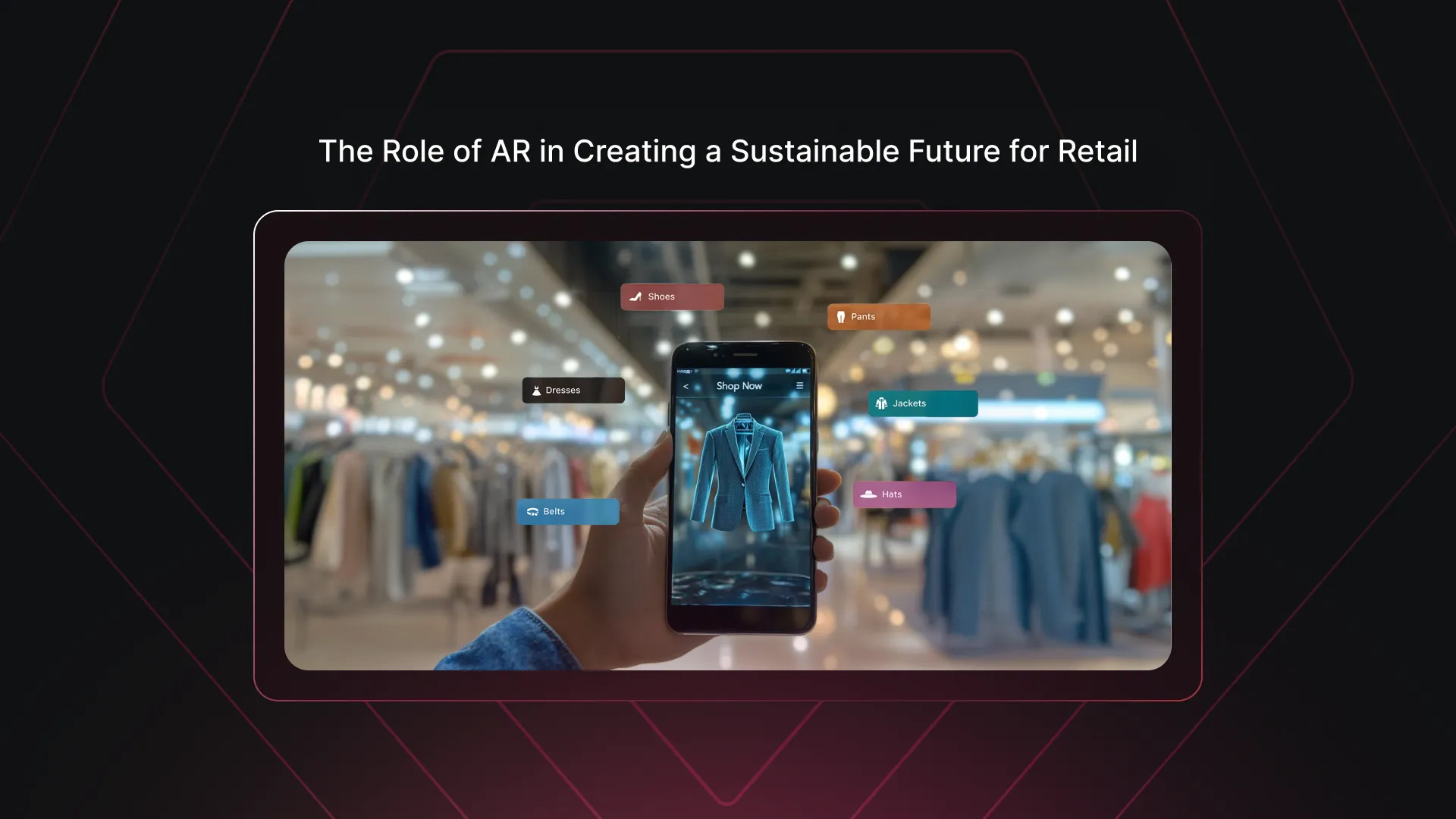
Augmented Reality (AR) is changing how we think about shopping. It allows customers to see products in their own space before buying. This technology helps businesses connect with shoppers in a more engaging way.
Addressing Insufficient Stock Issues
- AR can show products that are not physically available in stores.
- Customers can visualize items in their homes, reducing disappointment from stock shortages.
- This technology helps retailers manage inventory better by showing what’s available online.
Enhancing Personalization for Consumers
- AR provides tailored experiences based on individual preferences.
- Shoppers can try on clothes or accessories virtually, making it feel personal.
- Businesses can gather data on what customers like, improving future marketing efforts.


Overcoming Traditional Marketing Limitations
- Traditional marketing often fails to engage customers effectively.
- AR creates interactive experiences that capture attention.
- It helps brands stand out in a crowded market, making shopping more fun and memorable.
AR in retail is not just a trend; it’s a new way to connect with customers and improve their shopping experience.
By using AR, retailers can transform their marketing strategies, making them more effective and sustainable. This technology is paving the way for a brighter future in retail, where customers feel more connected to the products they love.
Enhancing Customer Experience Through AR
Augmented Reality (AR) is changing how we shop, making it more fun and interactive. By using AR, retailers can enhance customer experience in several ways:
Personalized User Content
- AR allows customers to see products in their own space before buying.
- Users can customize items, like changing colors or styles, to fit their preferences.
- This personalization helps shoppers feel more connected to the products.
Ease of Trials and Tryouts
- With features like virtual try-on, customers can see how clothes or makeup look on them without trying them physically.
- This reduces the hassle of returns and exchanges, making shopping smoother.
- Shoppers can experiment with different styles easily, leading to more informed decisions.
Combining Online and Offline Shopping
- AR bridges the gap between online and in-store experiences.
- Customers can scan products in-store to get more information or see reviews.
- This integration helps shoppers make better choices and enhances their overall experience.
AR is not just a trend; it’s a tool that helps retailers create a more engaging and personalized shopping journey for their customers.
In summary, AR is transforming retail by making shopping more interactive and enjoyable. It allows customers to connect with products in new ways, ultimately leading to a better shopping experience.
AR as a Tool for Sustainable Retail Practices
Reducing Waste Through Virtual Prototyping
Using AR sustainable practices, businesses can create virtual prototypes of their products. This means they can test and refine designs without using physical materials. This approach not only saves resources but also helps in reducing waste significantly.
Minimizing Physical Samples with Digital Showrooms
Digital showrooms powered by AR allow retailers to showcase their products without needing physical samples. This method can lead to a reduction in waste and lower costs associated with shipping and storing physical items. Here are some benefits of using digital showrooms:
- Lower shipping costs
- Reduced storage needs
- Less environmental impact
Educating Consumers on Sustainability
AR can also play a crucial role in educating consumers about sustainable practices. By using interactive AR experiences, brands can inform customers about the eco-friendly aspects of their products. This not only enhances customer engagement but also promotes a culture of sustainability.
AR for business is not just about selling; it’s about creating a more sustainable future. By integrating AR into retail, companies can significantly reduce return rates and waste, leading to a more responsible shopping experience.
In conclusion, AR is a powerful tool that can help retailers adopt more sustainable practices, benefiting both the environment and their bottom line.
Leveraging AR Data for Retail Insights
Understanding Customer Preferences
AR technology provides retailers with valuable data about how customers interact with products. This data can help businesses understand:
- Which products are most frequently viewed.
- How long customers spend engaging with AR features.
- The types of products that lead to purchases.
By analyzing this data, retailers can tailor their offerings to better meet customer needs.
Improving Product Development
Using AR data, companies can:
- Identify trends in customer preferences.
- Test new product designs virtually before production.
- Gather feedback on prototypes from real users.
This approach not only saves time but also reduces costs associated with physical samples.
Optimizing Store Layouts
AR can also assist in planning store layouts by:
- Analyzing foot traffic patterns.
- Understanding which displays attract the most attention.
- Adjusting product placements based on customer interactions.
Retailers can create a more engaging shopping experience by leveraging AR insights to enhance store design and product placement.
In summary, AR data is a powerful tool that helps retailers understand their customers better, improve product development, and optimize store layouts, ultimately leading to a more sustainable retail environment.
Brands Leading the Way with AR Innovations
Prominent brands are making significant strides in retail by using augmented reality (AR) to enhance customer experiences. Here are some leading companies that are innovating with AR:
- Wayfair's Home Decor Visualization
Wayfair has transformed how customers shop for home decor. With their AR technology, users can visualize how furniture and decor items will look in their own homes. By taking a picture of their room, shoppers can see how different products fit into their space, making it easier to make purchasing decisions.
- L’Oreal's Virtual Makeup Try-On
L’Oreal has partnered with Facebook to create an AR-enabled makeup try-on experience. This allows customers to virtually try on various makeup products from popular brands like Maybelline and Lancôme. This innovation sets a new standard for personalized beauty shopping, making it fun and interactive.
- Sephora's Virtual Artist App
Sephora has developed the Virtual Artist App, which uses AR technology to help users see how makeup products will look on their faces. This app not only boosts sales but also encourages users to share their experiences online, turning them into brand ambassadors.
- Adidas' AR-Powered Shopping Experience
Adidas has embraced AR in a unique way. At ComplexCon CA 2018, they launched an AR feature that guided users to purchase new sneakers. By pointing their phones at AR signs, customers could follow instructions to buy shoes without needing to interact with staff.
Conclusion
In conclusion, augmented reality (AR) is changing the way we shop and helping to create a more sustainable future for retail. By allowing customers to see products in their own space before buying, AR makes shopping easier and more fun. It also helps businesses reduce waste by cutting down on the need for physical samples and returns. As more stores adopt AR technology, we can expect a shopping experience that is not only more engaging but also better for the planet. Embracing AR is a step towards a smarter, greener retail world.










