AI skin analysis for pigmentation


AI-powered live analysis

.gif)
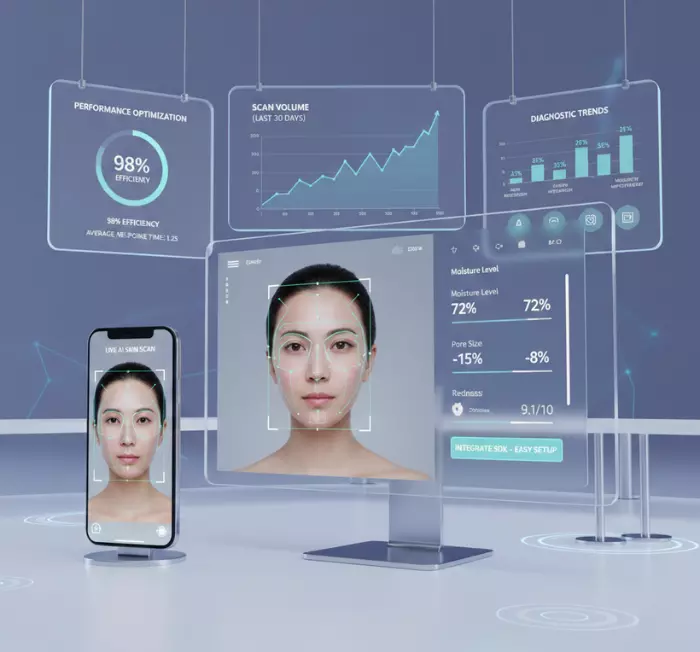
Easy integration of skin analysis SDK
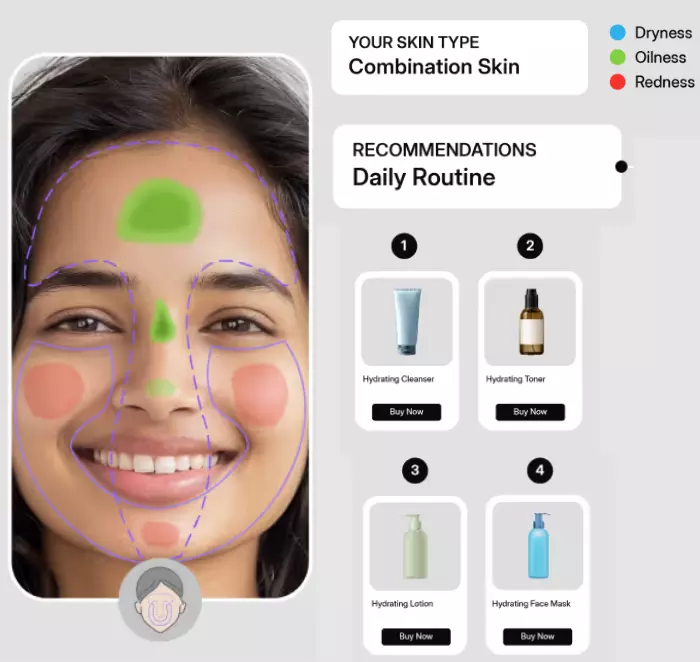
Personalized product recommendations
Frequently asked questions
An AI skin analysis for pigmentation is a digital tool. It can find out dark spots and uneven skin tone in your customers. It uses AI to check their facial images. The AI looks for signs of hyperpigmentation and provides an estimated severity score. It can also examine other skin issues like texture, wrinkles, and acne. The process is simple and quick. Consumers need to upload a clear photo, and the system shows the results in seconds. Based on the analysis, it gives them personalized skincare tips and product recommendations. It helps you choose the right treatments for your skin.
An AI skin analysis for pigmentation uses computer vision and deep learning. It checks clear facial images of your customers. The AI can scan their images to find dark spots, sun spots, melasma, or acne marks. It compares their skin features with a large database of skin images. Thus, it can understand the type and level of pigmentation. Then, the system measures the severity of pigmentation and highlights the affected areas. After the analysis, it creates a simple report for your customers. It may also suggest personalized skincare products or treatments to help improve their skin tone and reduce dark spots.
AI skin analysis can give your customers personalized product recommendations based on their skin needs. This makes it easier for brands to sell the right products. By accurately checking pigmentation and other skin issues, AI builds trust and improves the customer experience. It also helps brands understand what customers need most, which supports better product development. AI tools keep customers engaged and encourage repeat purchases. Your brands can also use the collected data to plan marketing and improve their services. Therefore, AI skin analysis helps brands grow, connect with customers, and offer innovative skincare solutions.
Skincare brands may face many challenges in implementing AI skin analysis for pigmentation. Poor image quality or uneven lighting can affect the analysis results. AI systems can show bias if they are trained on limited or unbalanced data. Protecting customer photos and personal information is another major concern for brand owners. So, your brand should follow strict rules and regulations when using AI tools. In some cases, you may need human experts to review or explain the results. Being clear and honest about how the AI works is also important. Therefore, you need to manage all of the challenges to generate accurate results.
Yes, AI skin analysis can recommend products for consumers. It studies a clear selfie to find pigmentation issues like dark spots, sun spots, and marks from acne. The AI also checks other skin concerns, such as dryness, wrinkles, or texture. After the scan, it suggests the best ingredients and products to treat their unique skin problems. It helps your customers choose the right skincare routine without guesswork. It also makes shopping easier and more effective through personalized product recommendations that match their specific skin concerns.
No, AI skin analysis cannot replace a dermatologist for pigmentation. It can only act as a helpful support tool. AI can scan photos and detect signs like dark spots or uneven tone. But it cannot understand medical history, lifestyle factors, or in-depth skin conditions. Dermatologists use clinical knowledge, experience, and tests to diagnose skin conditions. On the other hand, AI is useful for quick checks and basic guidance. But you should not use it for medical decisions. For proper diagnosis and treatment, a dermatologist is always necessary.
Discover how AR, VR and 3D can drive revenue growth in 2026
Schedule a call with our team

.avif)