AI skin analysis for sensitive skin


Suitable product recommendations

.gif)
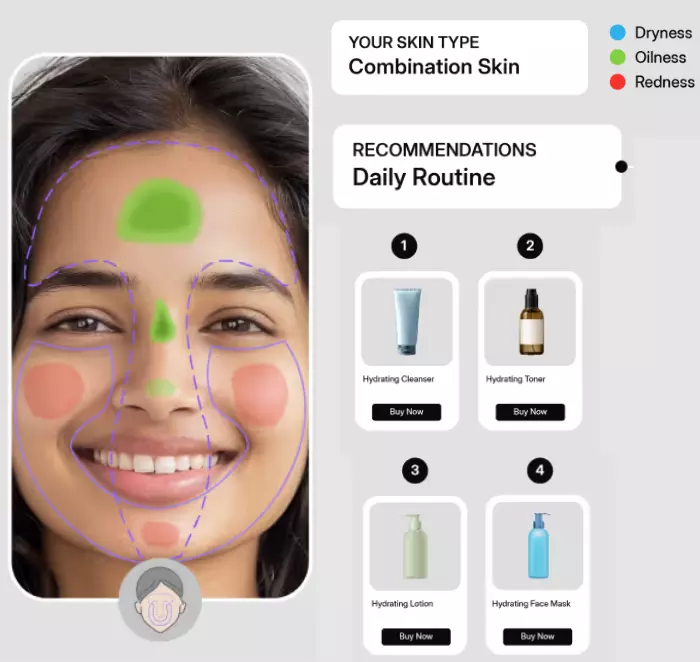
AI facial scanning and detection
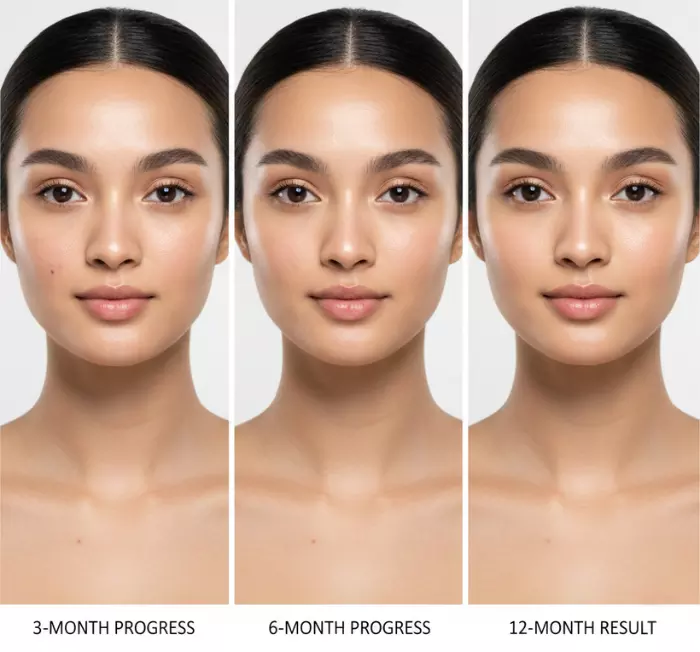
Tracking skin progress
Frequently asked questions
AI skin analysis is a skin-based tool that uses computer vision and AI-powered features to scan and detect possible skin issues. It is helpful for analysing users’ skin to check for the severity of some skin issues, including cues that can cause skin sensitiveness. Such an AI skin analysis tool can give a personalized skin analysis report and product recommendations. It also suggests a daily skincare routine that users can engage with to improve their skin issues. Although GlamAR's AI skin analysis can detect some skin issues, it also has a mini personalized chatbot medium called SkinGPT, which users can engage with to ask some skin-related questions and get instant answers.
Yes. It can be integrated by businesses in the cosmetics sector, where users get to know the state of their skin and the kind of defects that their skin has at the moment. Most importantly, the user's data obtained from their engagement with the tool can be used for product development and service upgrading by the brand. The tool can be used to recommend personalized products or skincare routines for improving skin conditions. Also, it serves as a means of enhancing customer experiences through one-on-one access to analyze, assess, and know their current skin conditions.
The tool can scan the user's facial appearance to detect possible skin conditions. Then it presents a personalized skin report. The tool then suggests suitable skincare recommendations such as daily skincare routines, products, tips, and other suitable skincare products.
Yes. This depends on the vendor or the provider of the tool; for instance, GlamAR's AI skin analysis SDK can help to recommend some of your products that are suitable for improving skin conditions. It helps to recommend your uploaded products to users. Besides these, brands can use this tool to examine, monitor, and quantify the metrics of the user's skin health to suggest suitable skincare recommendations.
Yes. Some of the AI skin analysis tools tend to scan and detect the necessary cues that can increase the sensitivity of the skin. Then, it will present a simple personalized report showcasing the rating score (1-100) of the skin conditions detected for the user's awareness.
The tool can be used to measure the severity of sensitive skin by detecting and examining visible cues such as dryness, redness, texture irregularities, and other related issues. These can be detected through the built-in computer vision and deep learning machine algorithms. What your users need to do is make use of their device camera for a live facial appearance scan or upload any suitable photo. Then, the user gets a simple skin report that stands as an outcome of the analysis. Through this report, users will get to see the severity of their skin conditions, detecting only the visible indicators of sensitive skin.
The accuracy level of the AI skin analysis tool depends on the training data of the model, the number of facial landmarks, and the accuracy of the algorithm to distinguish between shadows, texture, acne scars, and actual pigmentation. Also, in getting an accurate report, certain factors can determine this, and they include the lighting conditions, the quality of the camera lens of the user's device, the quality of the image uploaded, and the internet connection of the user's device network.
Yes. It can detect the visible indicators or cues that can lead to the severity of sensitive skin. After the AI scanning and analysis have been done, the user will get a result that contains the breakdown of the skin issues that the user has.
Some AI skin analysis tools can diagnose and detect different skin issues. GlamAR's AI skin analysis tool can scan over 14+ possible skin conditions that the user is having at that moment. However, the AI skin analysis tools cannot diagnose medical conditions leading to such skin issues. The tool will showcase the defects of the skin. Not only this, but it will recommend tailored products that can be used for improvement.
Discover how AR, VR and 3D can drive revenue growth in 2026
Schedule a call with our team

.avif)