AI skin scanner tool


Scanning and detection

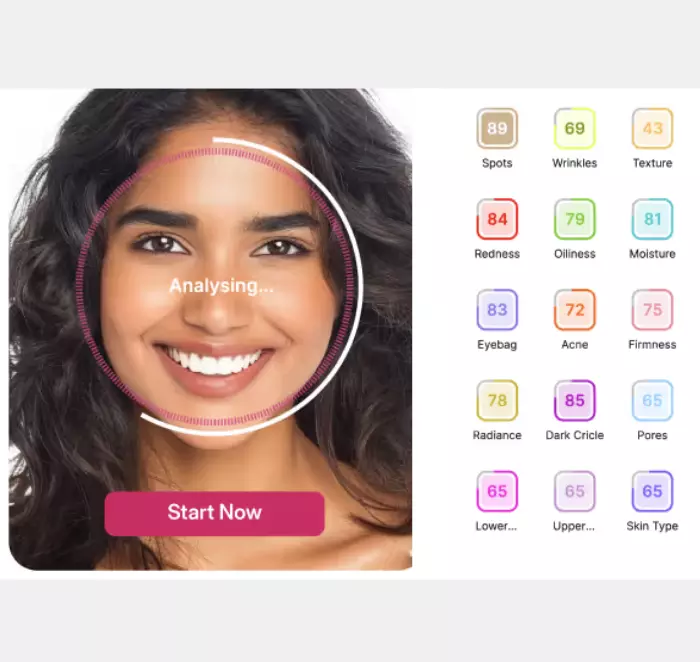
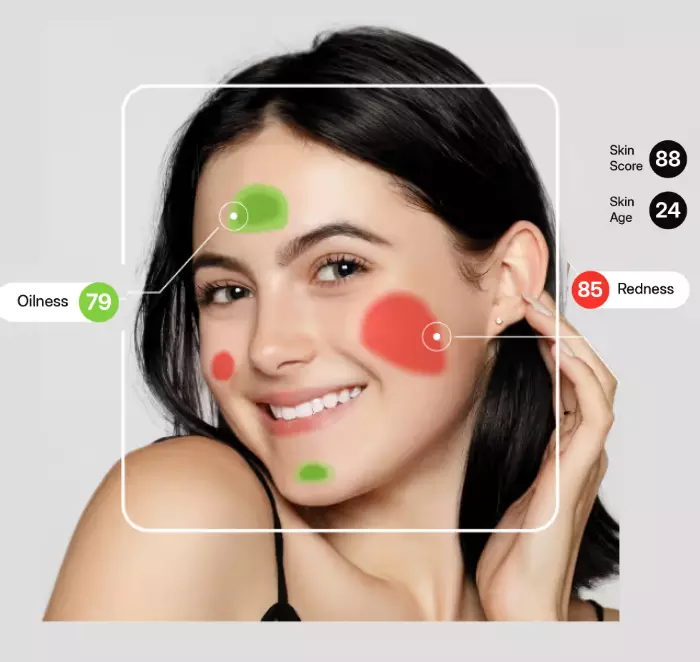
24/7 AI-based skincare analysis
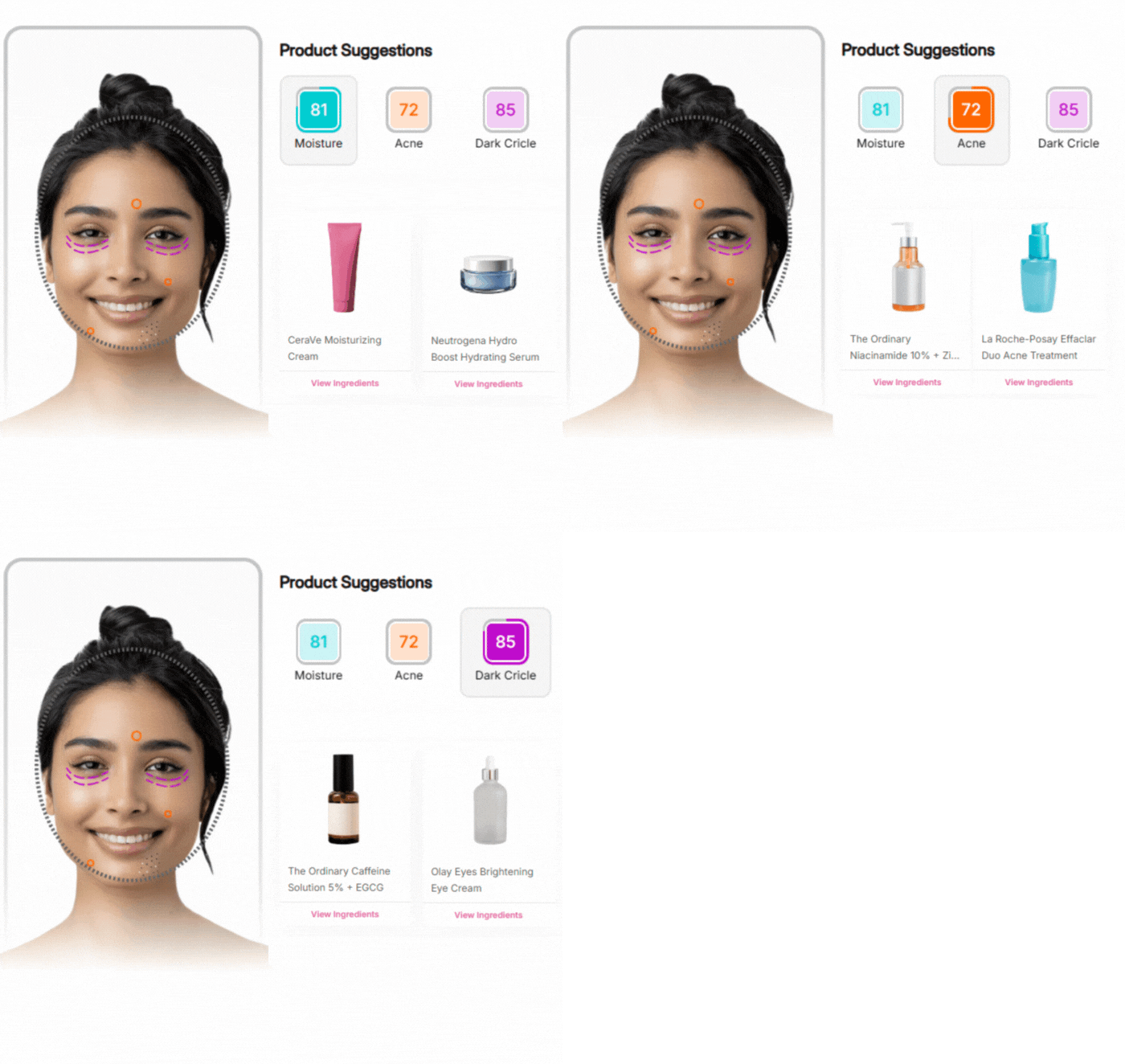
AI-guided skin insights and recommendations
Frequently asked questions
An Al skin analysis scanner is a tool that helps users analyze visible skin concerns on their face using Al technology. Users can upload a photo or use a live camera scan to observe patterns and changes such as redness, discoloration, dark spots, texture variations, and other visible skin characteristics. Based on this analysis, the tool can offer personalized skincare guidance and product recommendations, but it does not diagnose or treat medical conditions.
The tool works by enabling your users to scan their faces in real-time or their uploaded photos for the AI system to analyze and spot any possible visual skin issues on the face. Users can access this experience on their smart devices, including smartphones, computers, and tablets. Users can receive an accurate result from the AI system with a suitable data connection, good lighting background, and a high-quality camera.
Yes. It can be integrated into existing and new platforms. Depending on the provider you choose, they will provide you with custom integration options to choose from. You can integrate using the SDK or API integration options.
No. The Al skin scanner is not a replacement for professional medical consultation. It is designed to analyze and track visible skin concerns using images or live scans. While it can provide skincare suggestions and product recommendations, it cannot diagnose skin conditions or offer medical advice. Users should consult a qualified dermatologist for medical concerns. In other words, the AI dermatologist skin scanner can be utilized to scan and detect certain skin issues but cannot diagnose or replace a medical consultation.
Some of the tools are built with user-friendly experiences, which make it easy for users to access on their mobile or browser platforms without much difficulty. And the tool usually has an interface that has an easy-to-navigate feature with intuitive options such as the “scan now” or “upload image” label. This feature helps create a personalized and easily accessible option for users without requiring detailed guidelines.
Yes. For skincare brands, the tool can recommend products from your existing catalog based on the user's analyzed skin concerns. This allows users to explore personalized product suggestions seamlessly without leaving your website or product page.
This depends on certain factors. It depends on how stable the user’s internet connection is, the lighting environment conditions, camera quality, and the capability of the user’s device to host the scanning process of the AI system. It is important to note that the tool usually comes with the integration of advanced AI technology to enable efficiency and smooth flow of operation, but if the above-mentioned factors are not taken care of, they will affect the operation of the scanning tool. However, the scanning time of most AI tools should take a few seconds.
The tool helps users analyze visible skin concerns using live scans or uploaded images and provides skincare insights and recommendations. While it does not diagnose medical conditions, it supports users in understanding their skin and monitoring visible changes over time as part of their regular skincare routine.
AI skin scanners help beauty brands deliver personalized skincare experiences by anal visible concerns such as pores, redness, fine lines, and pigmentation. Based on these insights, brands can offer tailored product recommendations and skincare routines, improving engagement and shopping confidence.
The major factors that can limit the accuracy of this tool's results include poor lighting conditions, low quality of the user's device camera, high sensitivity to facial appearance, especially when the user is wearing heavy makeup or masks, and biased training data influenced by demographic settings. All of these factors can significantly influence the scanning process of the tool, potentially leading to incorrect detection of skin issues. In other words, these variables may result in the detection of incorrect skin issues.
Discover how AR, VR and 3D can drive revenue growth in 2026
Schedule a call with our team

.avif)