
How 3D Technology is Changing the Shopping Experience


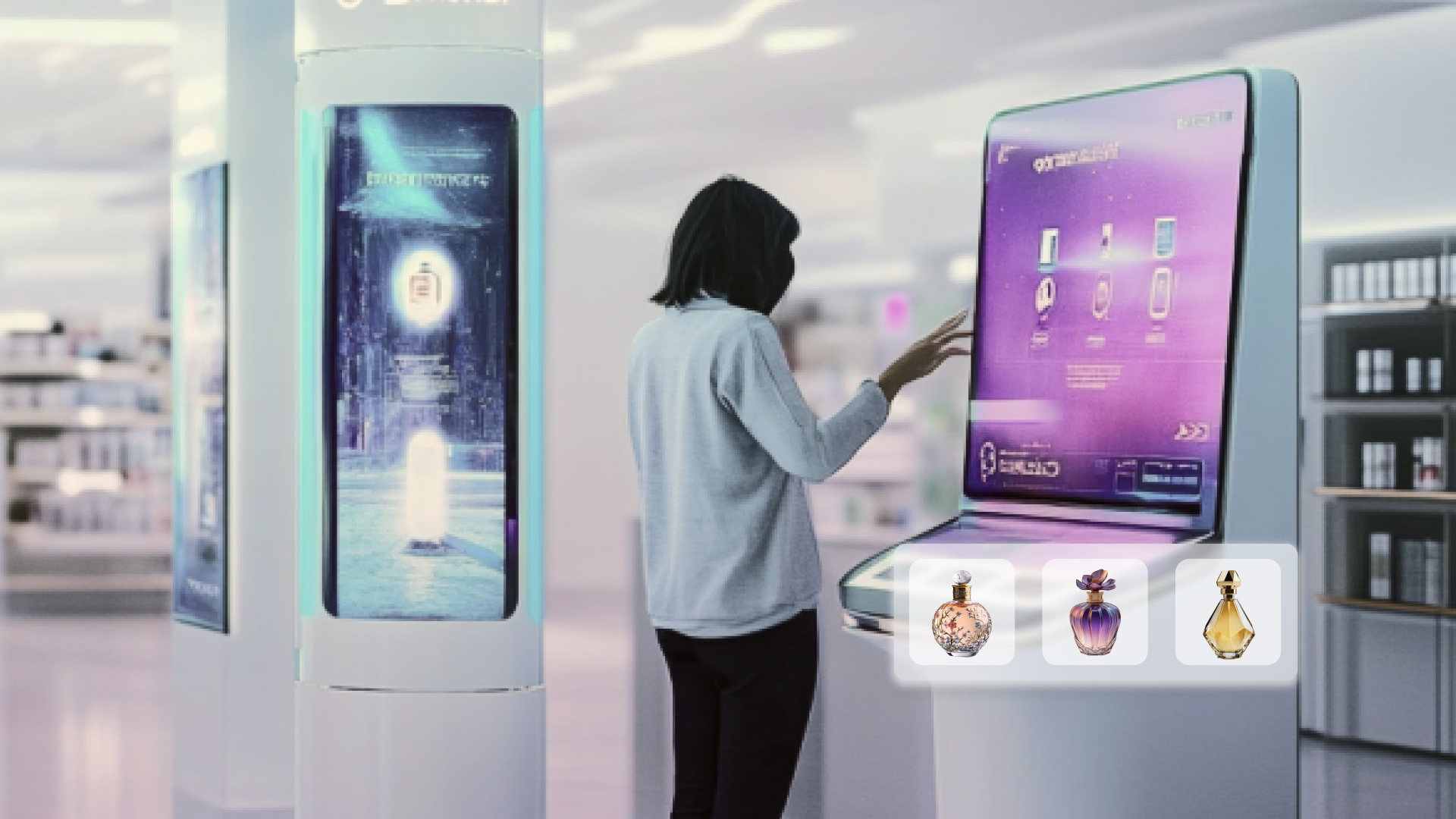
3D technology is transforming how consumers discover, experience, and purchase products online. Gone are the days of static images and uncertain buying decisions. Today’s digital storefronts offer immersive experiences that bridge the gap between physical and digital shopping. Virtual try-ons show exactly how sunglasses will look on your face, augmented reality places furniture in your living room, and interactive 360° product views reveal every intricate detail.
As e-commerce continues to evolve, businesses are adopting 3D technology to create more engaging and personalized shopping experiences.
In this article, we'll dive into how forward-thinking businesses are harnessing 3D technology to create the future of shopping—and how you can join them at the forefront of retail innovation.
Immersive Product Exploration
3D technology allows businesses to offer customers a fully immersive shopping experience. By creating detailed, interactive 3D models of products, customers can explore items in a virtual space, gaining a more accurate representation of size, texture, and appearance. For example, Nike has introduced the Nike Fit feature in their app, which uses 3D scanning and augmented reality to help customers find their perfect shoe size. By using a smartphone's camera, customers can scan their feet to receive a 3D model that accurately measures their size and suggests the best fit. This feature removes the uncertainty often associated with shoe sizing and gives shoppers a more personalized and confident shopping experience.
Virtual Stores and Showrooms
The concept of a traditional brick-and-mortar store is being challenged by the rise of virtual stores powered by 3D technology. These virtual showrooms enable customers to browse and interact with products in a digital environment, just as they would in a physical store. Retailers like Tommy Hilfiger and Alibaba have already started experimenting with virtual stores, where shoppers can navigate through a 3D-rendered space and view products in real-time.
Enhanced Customer Interaction with Augmented Reality
Augmented reality (AR) is revolutionizing how customers interact with products in a virtual space. By overlaying 3D models onto a real-world environment, businesses can offer customers the opportunity to visualize how products will fit into their lives. This could include testing how a piece of furniture looks in their living room or seeing how a watch fits on their wrist. AR experiences increase customer engagement by blending the digital and physical worlds, providing customers with a more personalized shopping journey.
“AR is growing By 2025, about 40% of the Gen Z and Millennial population* in India will be frequent AR users.”
3D-Printed Customization
One of the most powerful uses of 3D technology in retail is 3D printing. Businesses can offer customers the ability to customize products to their exact specifications, such as personalized jewelry, footwear, or even home décor items. By leveraging 3D printing, companies can create products that are unique to each customer, giving them greater control over the design and features of the items they purchase.
Virtual Reality for Product Testing and Simulation
In addition to AR and 3D modeling, Virtual Reality offers a fully immersive experience that can transform how businesses test and showcase products. By using VR headsets, businesses can simulate product use in real-world scenarios, allowing customers to "experience" the product before making a purchase. This is particularly useful in industries like automotive, real estate, and fashion, where customers want to get a realistic sense of how a product performs or fits in various environments.
Making Online Shopping Real: The 3D Advantage
The advantages of 3D shopping go beyond an enhanced customer experience and lower return rates. Here are some key benefits for both businesses and consumers:
Detailed Product Visualization
3D shopping allows customers to view products in high-definition, offering a more realistic and detailed perspective, which helps them make more informed purchasing decisions.
Personalized Shopping Experience
The ability to customize 3D shopping to individual preferences makes the process more enjoyable and tailored to each customer.
Increased Trust in Product Quality
Customers are more likely to trust the quality of products when they can inspect them in a realistic 3D space, boosting confidence in their purchases.
Efficient Inventory Management
By showcasing products using 3D models, businesses can reduce the need for large physical inventories and manage stock more efficiently.
Innovative Marketing Opportunities
3D shopping opens up new ways for businesses to market products, including virtual showrooms and interactive advertisements that engage customers in fresh and exciting ways.
How to Integrate 3D Shopping into Your E-Commerce Platform
Select a 3D Modeling Software
Start by choosing the right 3D rendering software that aligns with your budget and requirements. There are various tools available, so it's essential to pick one that best suits your needs. A reliable 3D shopping solution provider can help guide you in selecting the ideal software for your business.
Create High-Quality 3D Models
Depending on your skills, you can either create the 3D models in-house or hire a professional 3D modeling service. Make sure the models are of high quality and accurately reflect the features and details of your products.
Optimize the 3D Models
To ensure a smooth user experience, optimize the 3D models for quick loading times on your website. This involves compressing the file size without compromising the model’s quality or resolution.
Integrate the 3D Models into Your Website
Once the models are optimized, embed them directly onto your product pages. You can use plugins or tools that support 3D content to ensure a seamless integration and smooth display on your site.
3D Technology: The Future of Retail
The integration of 3D technology into the shopping experience is not just a trend—it’s a game-changer for businesses. By offering immersive, interactive, and personalized experiences, companies can enhance customer satisfaction, improve operational efficiency, and gain a competitive edge.
As more businesses adopt 3D technology across various touchpoints, from virtual try-ons to 3D-printed products, the retail landscape will continue to evolve. For businesses looking to stay ahead of the competition, embracing 3D technology is not just an option—it’s a strategic necessity.
If you want to stay ahead of the competition and offer your customers an immersive, innovative shopping experience, it’s time to embrace 3D solutions. Start by incorporating 3D product visualizations, virtual try-ons, and interactive showrooms into your business strategy today.
Don’t let your competitors outpace you—leverage the power of 3D technology with GlamAR to elevate your brand and drive growth.
Ready to transform your shopping experience? Get in touch with us today to discover how 3D technology can revolutionize your business and help you stand out in the marketplace!










