
Leveraging Augmented Reality for Event Promotion


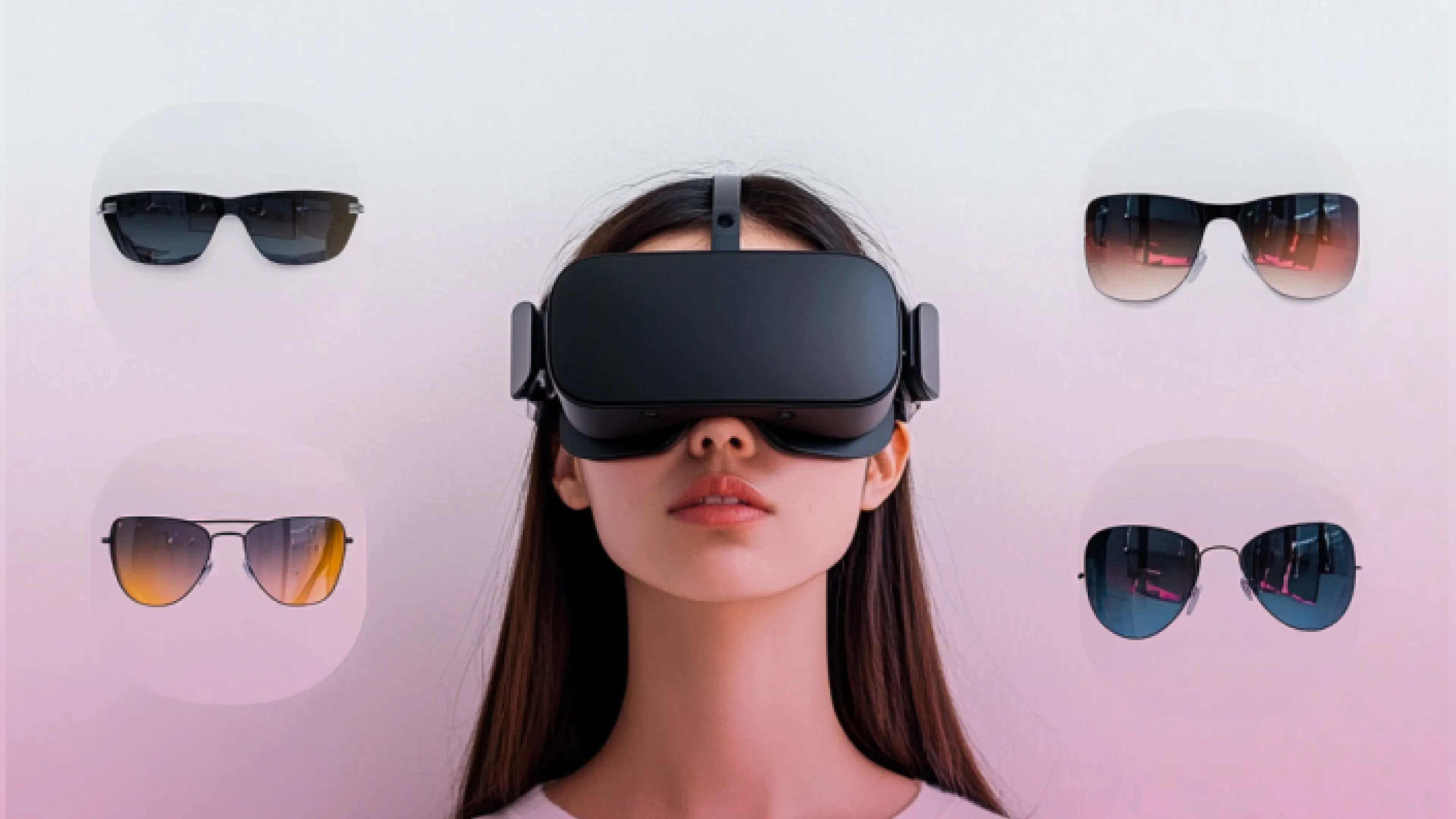
In a world where consumer attention is harder to capture than ever, event marketers are turning to innovative technologies to create immersive and memorable experiences. Augmented Reality (AR) has emerged as a powerful tool for enhancing engagement, simplifying logistics, and delivering unparalleled value at events. This article explores how AR is changing event promotion, with practical applications and insights to inspire your next campaign.
Why AR is the Future of Event Marketing
Enhanced Engagement: AR offers interactive experiences that captivate audiences. From gamified treasure hunts to immersive product showcases, AR turns passive attendees into active participants. For example, the Mikhail Chekhov Riga Russian Theatre used an AR scavenger hunt to guide attendees through significant landmarks, enhancing engagement by 30% compared to traditional methods.
Personalized Experiences: AR customizes event experiences based on attendee preferences. Imagine visitors using an AR app to visualize furniture setups at a design expo or virtually trying on products at a trade show. Personalization not only boosts satisfaction but also builds lasting connections with your audience.


Creative AR Applications in Events
Pre-Event Buzz: AR can create excitement long before the event starts. Social media filters, interactive invitations, or sneak previews using AR apps can drive anticipation. For instance, AR-powered Instagram filters can help users explore elements of the event, encouraging them to share and amplify reach.
Interactive On-Site Activations: AR transforms event spaces into interactive playgrounds. Examples include virtual photo booths, AR-enhanced product demos, and immersive brand storytelling experiences.
Post-Event Engagement: Extend the life of your event by offering AR content attendees can access later. This could include downloadable AR guides, recap videos, or interactive 3D models of showcased products.
Use-case of AR in events
Gamified Attendee Journeys
Introduce AR scavenger hunts or challenges. For example, attendees could use AR to find hidden virtual objects around the venue. Upon completion, they might unlock discounts, exclusive content, or even tangible rewards. Such games not only boost engagement but also encourage exploration of the event space.
Immersive Storytelling
Craft an interactive narrative around your brand or event theme using AR. Attendees could walk through virtual story points placed strategically around the venue. For instance, an automobile company could use AR to let attendees "assemble" a car or see its internal mechanisms come to life through augmented layers.
AR-Driven Networking
Use AR to enhance social interaction. Attendees could point their phones at each other’s event badges to reveal LinkedIn profiles or fun personal facts, making networking more dynamic and engaging.
Augmented Stage Performances
Enhance live performances with AR overlays visible through attendee devices or event-provided AR glasses. Imagine a concert where dragons fly over the audience, synced with the music, or a corporate presentation where AR adds 3D animations to the speaker’s points.
Customizable Booth Experiences
Exhibitors can use AR to expand their booth capabilities without needing more physical space. For example, AR-enabled screens could let attendees visualize how a product looks in different configurations, environments, or scales.
Virtual Photo Opportunities
AR photo booths can provide attendees with shareable content. They could pose alongside virtual celebrities, explore fantasy settings, or interact with branded 3D mascots. Such photos create lasting memories and amplify event exposure when shared on social media.
Augmented Sponsorship Opportunities
Offer AR-integrated sponsorship options. For instance, an AR filter branded by a sponsor could overlay interactive effects when attendees scan a specific event area, providing a unique blend of branding and attendee engagement.
Safety and Navigation Tools
AR-enhanced maps can guide attendees to specific booths, stages, or sessions, reducing confusion at large venues. AR overlays can also provide real-time updates on crowd density or event schedule changes, improving overall attendee experience.
Interactive Knowledge Hubs
For educational events, AR can turn sessions into interactive experiences. Attendees might use AR to explore detailed 3D models during a medical seminar or see historical landmarks recreated during a heritage event.
Hybrid Event Integration
With the rise of hybrid events, AR bridges the gap between physical and virtual attendees. Virtual participants could interact with AR elements through their devices, experiencing the event as if they were there in person.
Simplifying Logistics with AR
AR significantly reduces logistical challenges by replacing physical displays with virtual ones. Instead of transporting large installations, brands can showcase their products virtually using AR. Attendees can access these experiences through QR codes or mobile apps, making event setups simpler and more sustainable.
For example, AR-based guides can eliminate the need for printed materials, offering attendees a paperless way to navigate the event.
Measuring AR's Impact
Understanding the success of your AR activations is crucial. Key metrics include:
- Interaction duration and content consumption rates.
- Call-to-action completions.
- Social media engagement post-event.
- Lead generation and sales figures.
For instance, Amazon used AR gamification at an event and saw a 70% participation rate, which significantly boosted traffic flow and brand interactions.
Challenges and How to Overcome Them
1. Attendee Unfamiliarity: While AR adoption is growing, some attendees may still be unfamiliar with the technology. Educating your audience through pre-event communication and providing user-friendly interfaces can help.
2. Device Compatibility: Ensure your AR experiences work seamlessly across a wide range of devices. WebAR solutions that don’t require app downloads can be a great way to increase accessibility.
A Glimpse into the Future
The future of AR in events lies in its integration with AI and IoT. Imagine AR experiences that adapt in real-time based on attendee behavior, or smart environments where AR interacts with connected devices to create seamless, hybrid event experiences.
Partnering with GlamAR for Success
GlamAR is at the forefront of AR innovation, helping brands unlock the potential of immersive technologies. While we are a new player in the industry, our expertise in creating engaging, intuitive AR solutions can elevate your events to new heights. Let’s collaborate to make your event unforgettable.










