
The Power of AR Virtual Try-On: Transforming Retail Industry


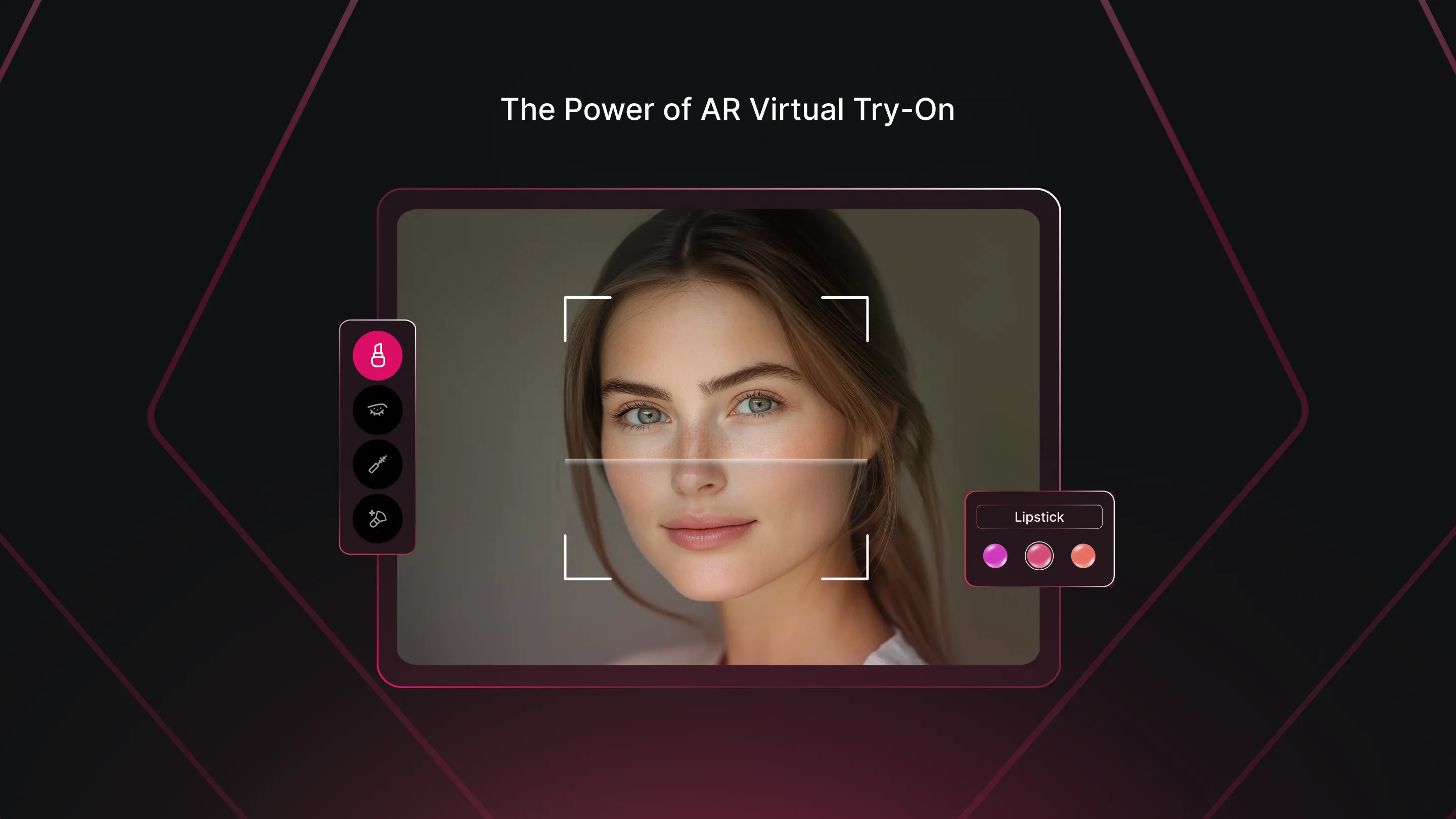
The e-commerce industry has experienced explosive growth over the past few years, driven by advancements in technology, changing consumer behavior, and the rise of mobile shopping. With global internet penetration increasing and the shift towards convenience, online shopping has become a go-to option for millions worldwide. The COVID-19 pandemic further accelerated this trend, pushing businesses to pivot online and encouraging consumers to embrace digital transactions for everything from groceries to luxury items. This surge has reshaped the retail landscape, creating new opportunities for brands while intensifying competition in the digital space.
While the e-commerce industry has seen a surge in revenues in recent years, there has been a parallel rise in product returns, creating a costly challenge for online retailers. As digital shopping becomes more accessible and convenient, return rates have skyrocketed, particularly in sectors like beauty & fashion, where customers often return items due to sizing issues, mismatched expectations, or simply buyer's remorse. Studies show that e-commerce return rates can be as high as 20-30%, compared to less than 10% in physical stores.Managing these returns has become a significant burden, cutting into profit margins and negating some of the industry's revenue gains. For e-commerce businesses, balancing growth with sustainable return practices has become a key focus in order to maintain profitability.
In e-commerce, returns are often driven by a few key factors. The most common reason is product mismatch, where items don’t meet customer expectations in terms of size, color, or quality. Inaccurate product descriptions and poor imagery also lead to disappointment, prompting returns. Additionally, buyer's remorse or impulsive purchases result in customers changing their minds.
In today’s competitive retail environment, businesses are looking for innovative ways to elevate customer experiences and drive growth. One such innovation is Augmented Reality (AR) Virtual Try-On technology. This cutting-edge tool is proving to be a game-changer for retailers by reducing return rates, increasing customer retention, and boosting average cart values. Let's dive into the facts and figures, explore real-world success stories, and understand why businesses need to embrace AR to thrive in the digital era.

Impact of AR Virtual Try-On on Return Rates
By allowing customers to “try before they buy,” AR provides a realistic visualization of products—whether it’s makeup, eyewear, accessories, or fashion—before the purchase is made. This significantly reduces the risk of buyers making incorrect choices, leading to fewer returns.
Increasing Customer Retention Through Immersive Experiences
AR enhances the shopping experience by making it more interactive and engaging. Customers are more likely to return to a brand that offers a memorable, personalized experience. In fact, studies show that 63% of consumers believe AR enhances their shopping experience, making them more likely to return for future purchases.
Notably, AR not only fosters brand loyalty but also creates a sense of trust, as customers feel more confident in the products they’re purchasing.
Boosting Average Cart Value with AR Technology
When customers can visualize how products look on them, they’re more likely to buy more. AR try-on experiences lead to higher cart values because customers feel more confident in their purchasing decisions. According to a study by Shopify, AR can increase a product’s conversion rate by 250%.
Moreover, customers tend to add more products to their cart when they’re actively engaged in a virtual try-on process, as it becomes easier to visualize combinations and outfits.
Real-World Examples of AR Success in Retail
Several major brands have already adopted AR technology and seen tremendous success. Let’s look at a few notable examples:
- L’Oréal Paris: Launched a virtual makeup try-on app, allowing users to see how products look on their face in real-time. As a result, they experienced a 200% increase in conversion rates and a significant reduction in product returns.
- IKEA: Their AR app, IKEA Place, lets users visualize how furniture would look in their homes. The app has led to a higher customer satisfaction rate and increased sales of featured products by 35%.
- Nike: The Nike Fit AR tool, which scans users' feet to recommend the right shoe size, reduced returns by 20% and increased sales conversion by 25% for specific footwear categories.
Why AR Virtual Try-On is a Must for Your Business
The data speaks for itself—businesses that have adopted AR virtual try-ons are seeing remarkable improvements in key performance metrics. The combination of enhanced customer experiences, higher confidence in purchase decisions, and reduced returns is a win-win for both retailers and consumers.
Key Benefits of AR Virtual Try-On Technology:
- Lower Return Rates: Fewer returns mean lower costs and happier customers.
- Higher Customer Retention: Memorable, interactive shopping experiences encourage repeat purchases.
- Increased Cart Value: When customers are confident, they buy more.
- Better Conversion Rates: AR helps bridge the gap between digital browsing and physical shopping.
Take Action: Try AR Virtual Try-On for Your Business
If you want to experience these benefits firsthand, it’s time to explore how GlamAR can transform your business. With seamless integration across platforms like Shopify, WooCommerce, and Magento, our AR technology is designed to bring the in-store experience online—increasing customer engagement and boosting your bottom line.
Get a Free Demo of GlamAR’s virtual try-on technology today and discover how it can revolutionize your retail strategy.










