
Top 7 AR Eyewear Try-On SDKs for Online Optical Stores


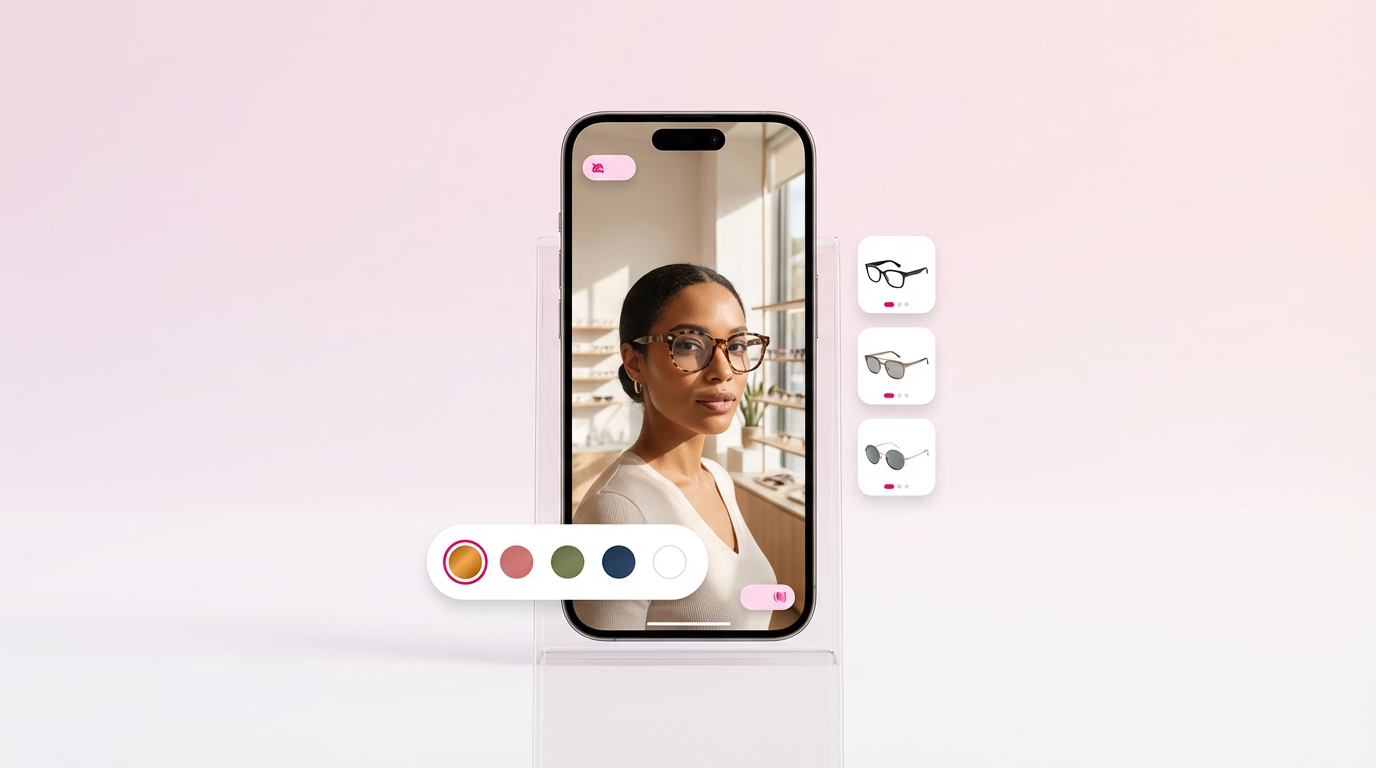
Picture this: you're browsing online for glasses, but you're not sure how they’ll look or fit. That's where AR eyewear try-on SDKs for online optical stores come in, revolutionizing virtual shopping by letting customers try before they buy. This technology can greatly enhance customer satisfaction and cut down on return rates.
Explore Leading AR Eyewear Try-On SDK Providers
Augmented reality (AR) has transformed the e-commerce scene, particularly in the optical sector. By offering virtual try-on features, these technologies help bridge the gap between online and in-person shopping. Here's a comparison of key features and best use cases for each provider. See our complete guide on Best AR Makeup Try-On Apps for Boosting Beauty E-commerce for a deeper dive.
- GlamAR
- Best For: Fashion-forward optical stores
- Standout Features: Easy integration, real-time accuracy
- Ditto
- Best For: Large optical retailers
- Standout Features: 3D face modeling, extensive frame catalog
- FittingBox
- Best For: Independent eyewear brands
- Standout Features: Lightweight, customizable interface
- Vue.ai
- Best For: E-commerce platforms
- Standout Features: AI-driven personalization, analytics
- TryLive
- Best For: Brands seeking high interaction
- Standout Features: Interactive 3D try-on, face tracking
- NexTech AR
- Best For: Small to medium-sized businesses
- Standout Features: Scalable solutions, AR product enhancements
- Blippar
- Best For: Tech-forward optical brands
- Standout Features: Advanced AR integration, cross-platform support
Understanding AR Eyewear Try-On Technology
AR eyewear try-on technology lets customers see how different eyewear styles would look on their faces using augmented reality. This takes the guesswork out for customers, enhances online shopping, and can boost sales. Here are some key features:
- Real-time facial tracking: Ensures virtual eyewear aligns accurately with facial features.
- 3D modeling: Provides realistic renderings of frames for a better sense of the product.
- Customizable integration: SDKs fit easily into existing e-commerce platforms, offering flexibility for retailers.
- Cross-platform compatibility: Ensures smooth operation across devices and systems, reducing dissatisfaction-related returns.
- Increased interest: Interactive experiences engage users, keeping them on the site longer and increasing conversion chances.
- Improved conversion rates: By helping customers visualize products, AR can drive a higher intention to buy, boosting sales.
- Brand differentiation: Using AR technology positions brands as innovative and customer-focused, setting them apart from competitors.
Retailers should be aware of common pitfalls to ensure successful implementation.
- Neglecting device compatibility: Make sure the SDK works with various devices for a seamless experience.
- Overlooking user interface design: A clunky interface can deter users and impact their experience.
These technologies are crucial for staying competitive in today’s retail landscape. As you explore your options, consider GlamAR's solutions to enhance your brand’s shopping experience.
Interested in transforming your online store? Contact us at GlamAR to see how we can help your brand stand out.










