
How to Create AR Ads on Meta: A Step-by-Step Guide


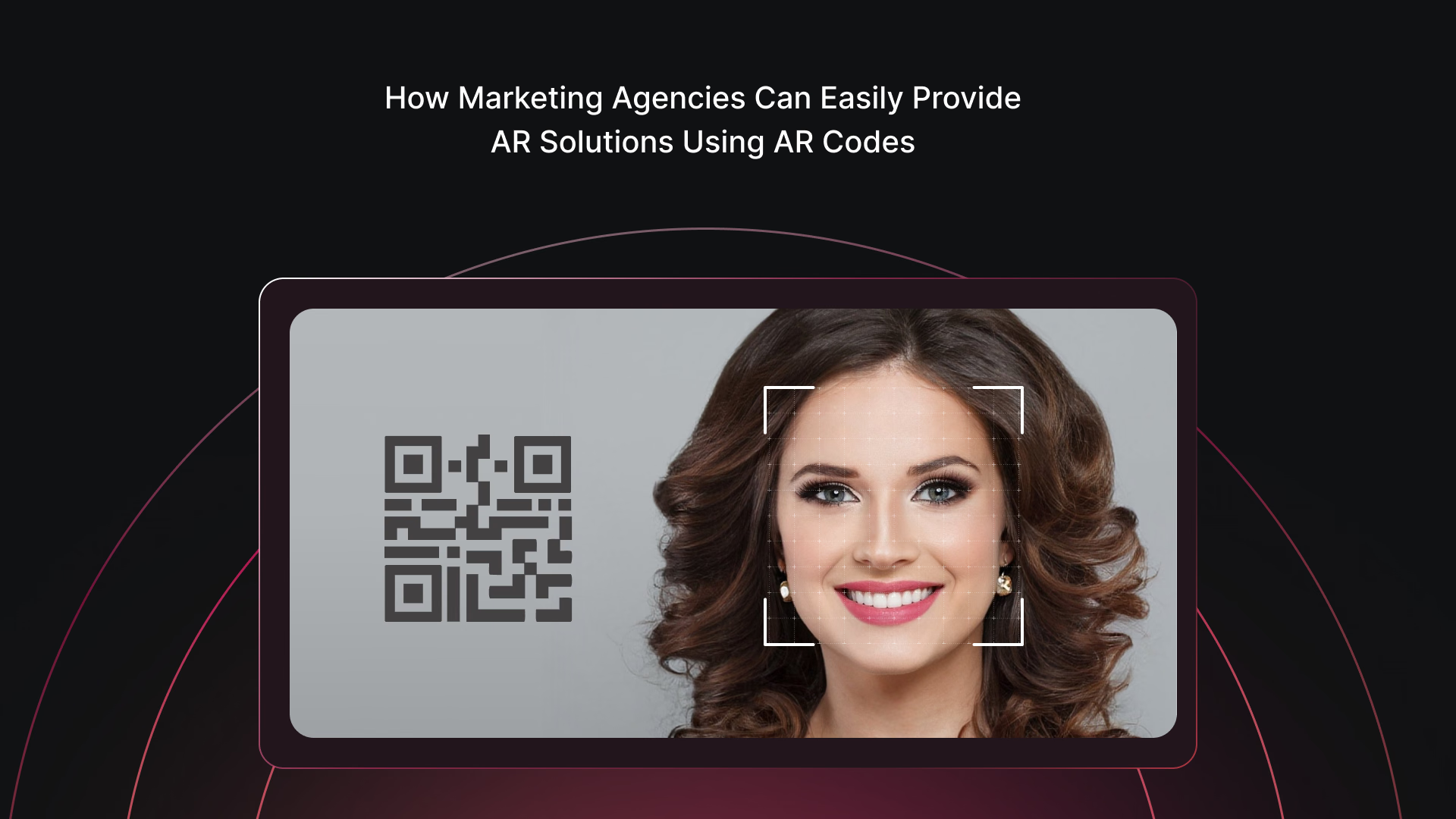
Augmented Reality has rapidly gained popularity, with millions of users engaging with it daily. According to the Boston Consulting Group (BCG), around 80 million people in the U.S. interact with AR each month, and this number is projected to exceed 120 million this year.
AR isn't just an engaging tool for consumers, it has also created new opportunities for advertisers. It enables brands to craft highly interactive ads that users can experience in real time. By overlaying digital elements onto the real world, AR offers an interactive experience with applications across various industries, including retail, tourism, entertainment, and food.
Unlike virtual reality, which immerses users in a completely digital environment, AR blends the digital and physical worlds, typically through smartphones or tablets. This practical, accessible feature has made AR an effective tool for capturing consumer attention and enhancing marketing efforts. With all this in mind, let's dive deeper into augmented reality advertising and explore how its growth will impact global markets-
What is AR Advertising?
Augmented Reality (AR) advertising is a digital marketing strategy that leverages AR technology to offer interactive and immersive experiences for consumers. By overlaying digital elements such as images, animations, information, and sound onto the real world through devices like smartphones, AR creates a blended reality.
With AR advertising, businesses can present their products or services in a more engaging and memorable way. For example, a clothing brand might offer an AR experience that allows customers to virtually try on clothes before making a purchase.
This type of advertising can be delivered across various platforms, including mobile apps, social media filters, and digital signage, reaching a wide audience. AR advertising enables businesses to harness the power of immersive technology, crafting unique and memorable experiences for their customers.
"According to a 2023 research report, 74% of respondents stated that ads featuring AR were more likely to capture their interest compared to traditional ads. With innovations like the launch of the Apple Vision Pro, AR technology is set to become an even more integral part of our daily lives, further shaping marketing strategies in the future"
Augmented Reality in Social Media Marketing
In today's world, Social media has become a vital growth tool for businesses, as consumers increasingly turn to these platforms for research, customer service, and shopping. It also helps foster stronger consumer loyalty, with 63% of Instagram users feeling that the platform enables meaningful connections with brands. Augmented Reality (AR) is enhancing these connections and expanding brand reach.
Platforms like Snap AR and Meta Spark Studio allow companies to create branded AR filters that boost visibility, drive engagement, and encourage user-generated content. This, in turn, transforms users into brand ambassadors. A prime example is L’Oreal Paris, which launched the Brow Finder Filter on TikTok. The filter provided users with a brow-shaping guide and quickly went viral, generating thousands of videos where users tried the template or shared tutorials.
Another example is Estee Lauder, which allowed Snapchat users to try on two featured foundations, offering the option to explore 60 different shades. With a simple swipe, users could then proceed directly to make a purchase. Likewise, Kohl’s collaborated with Snapchat to introduce an AR Virtual Closet feature, enabling users to browse, try on, and purchase Kohl’s fashion selections directly within the Snapchat app.
Key Benefits of AR Ads
Here are the key advantages that come with using AR ads on social media:
Enhanced Brand Experience
AR filters on social media help personalize and elevate the brand experience, making it more engaging and entertaining. The interactive nature of these filters encourages users to spend more time on the platform, leading to higher engagement rates.
Viral Content Creation
AR filters play a significant role in generating viral content. By offering unique and creative filters, brands enable users to create standout content, increasing the potential for virality. This viral effect brings more users to the brand, fostering a cycle of continuous engagement and content creation.
Data-Driven Insights
AR filters provide businesses with valuable insights into user preferences and behaviors. This data can be used to develop targeted marketing strategies and further refine the user experience.
In marketing, social media AR filters are an invaluable tool for increasing brand reach, enhancing user engagement, and gathering meaningful insights, all with minimal cost.
Consumer Support AR in Advertising
How the Brands Can Engage with Customers Through AR
With platforms like Instagram, Snapchat, and TikTok embracing AR, businesses have a unique opportunity to incorporate custom filters into their campaigns, offering users a fun and interactive experience. Whether allowing customers to try on products, play games, or simply have fun, AR filters increase engagement and inspire user-generated content. As customers share their experiences with their networks, brand visibility grows organically.
AR filters not only foster interaction but also provide a creative way for brands to showcase their products. By designing memorable and playful filters, brands enhance their chances of staying top-of-mind for users. After publishing the filter, businesses can promote it with ads for organic Instagram AR effects to drive traffic. Monitoring how users engage with the filter provides valuable insights, helping brands refine their strategies and improve future marketing efforts.
Moreover, AR filters offer valuable insights into consumer preferences and behaviors, helping brands refine their strategies and create more targeted marketing efforts. By tracking interactions with filters, brands can gather data on what resonates with their audience and tailor future campaigns to meet their needs.
In a world where consumer attention is fleeting, AR filters provide a creative, cost-effective, and impactful way for brands to stand out. As AR technology continues to evolve, the opportunities for brands to engage, entertain, and convert their audience will only grow, making AR filters a must-have tool in the modern marketer’s toolkit.
How AR Filters Can Enhance Boost Brand Performance
While implementing AR technology requires investment and expertise, companies that harness its full potential can reap substantial rewards. By identifying how AR aligns with their goals and challenges, and integrating it into their data, business models, and organizational structure, brands can create immersive ads and customer journeys that elevate their market positioning and financial performance.
It’s essential for brands to stay aligned with emerging trends. Brands using AR filters have already experienced improvements in brand awareness, sales, and overall performance, creating significant opportunities for deeper consumer engagement.
The AR revolution is well underway, and it’s crucial for brands to adopt this technology to meet consumer expectations and stay ahead of the competition.
With the potential to add $1.1 trillion to global GDP by 2030, now is the time for brands to invest in AR.
In a landscape where customer experience is paramount, AR filters offer brands an unparalleled chance to engage audiences, drive conversions, and enhance brand performance.
Global AR Advertising Market Growth
"According to Statista report, the AR advertising market is projected to grow at a compound annual growth rate (CAGR) of 9.25% from 2024 to 2029, reaching a market volume of $8.0 billion by 2029."
Enhanced Consumer Engagement
Studies show that immersive AR experiences can lead to 70% more memory encoding compared to traditional static ads, which helps foster deeper emotional connections and improves brand recall.
Real-Time Consumer Insights
AR ads enable businesses to gather real-time data on consumer interactions, preferences, and purchasing decisions, providing valuable insights for refining marketing strategies and improving customer engagement.
Success in Retail and Beauty Industries
L’Oreal's AR ad campaign, allowing users to virtually try on different shades of lipstick, resulted in increased consumer engagement and a boost in sales.
Innovative Virtual Try-Ons by Adidas
Adidas used AR to allow consumers to virtually try on shoes, resulting in a 40% increase in online conversions.
What Your Business Needs to Know
Augmented Reality (AR) is transforming the marketing landscape by offering interactive and immersive experiences that engage customers in innovative ways. Here’s why your business should consider incorporating AR ads into your marketing strategy:
Boost Engagement and Interactivity
AR ads enable customers to engage with your brand in a hands-on, interactive way. Instead of passively viewing an ad, users can try on products, view them in 3D, or even interact with virtual elements in real-time.
Improve Brand Recall and Recognition
AR ads stand out from traditional ads by offering memorable, immersive experiences. Consumers are more likely to recall your brand after interacting with an AR ad than after viewing a static or video ad.
Enhance the Shopping Experience
AR ads provide customers with the opportunity to try before they buy. Whether it’s trying on makeup virtually or visualizing how furniture looks in their home, AR creates an enhanced, personalized shopping experience.
Stand Out in a Crowded Market
With more brands adopting AR technology, implementing AR ads can differentiate your business from competitors. By offering innovative, tech-driven experiences, you position your brand as forward-thinking and appealing to tech-savvy consumers who value interactive ways of engaging with products.
Capture Data and Insights
AR ads provide valuable real-time data on user behavior, including how long they interact with your ad, what features they engage with, and their purchase decisions.
In a recent consumer insights report, Google made the following claim:
“Brands that adopt AR tools can help people make more informed and confident decisions, building brand trust and forming lasting connections with audiences eager to discover them.”
Breaking Through the Barriers
Augmented reality advertising is expected to remain a key tool for brands aiming to create immersive connections with their audiences.
In the future, augmented reality will become a widely adopted advertising strategy, enabling consumers to actively engage in campaigns that captivate, entertain, and leave a lasting impression. This approach will drive greater brand visibility, boost conversion rates, and lead to an increase in sales.
"I've been wanting to bring an AR experience into my brand’s strategy for a while now, but I’ve struggled to figure out how to get started. The technology feels overwhelming, and there are so many options out there that it’s hard to know where to focus. It’s frustrating because I know AR has the potential to elevate engagement, but I just don't know the best approach to make it work."
One-Stop AR Solutions for Your Brand’s Growth
At GlamAR, we understand that implementing Augmented Reality into your marketing strategy can feel overwhelming, especially if you're unsure where to start. That’s where we come in. Our platform is designed to make AR accessible and easy to integrate into your brand. We provide a user-friendly platform to create customized virtual try-ons, 3D ads, and interactive experiences.
Whether you're looking to drive sales with immersive product trials or increase brand visibility, GlamAR is here to guide you every step of the way. With our expertise and streamlined process, we help you harness the power of AR to elevate your brand and connect with your audience in a more engaging, innovative way.
Partner with GlamAR to create interactive, impactful AR ads, VTO experiences, and 3D solutions that engage your audience and drive results. Watch our demo store to create immersive experiences and see how we can transform your brand’s marketing strategy. Get started today and revolutionize your approach to marketing!










