
Immersive virtual stores: How Amazon is leading the way


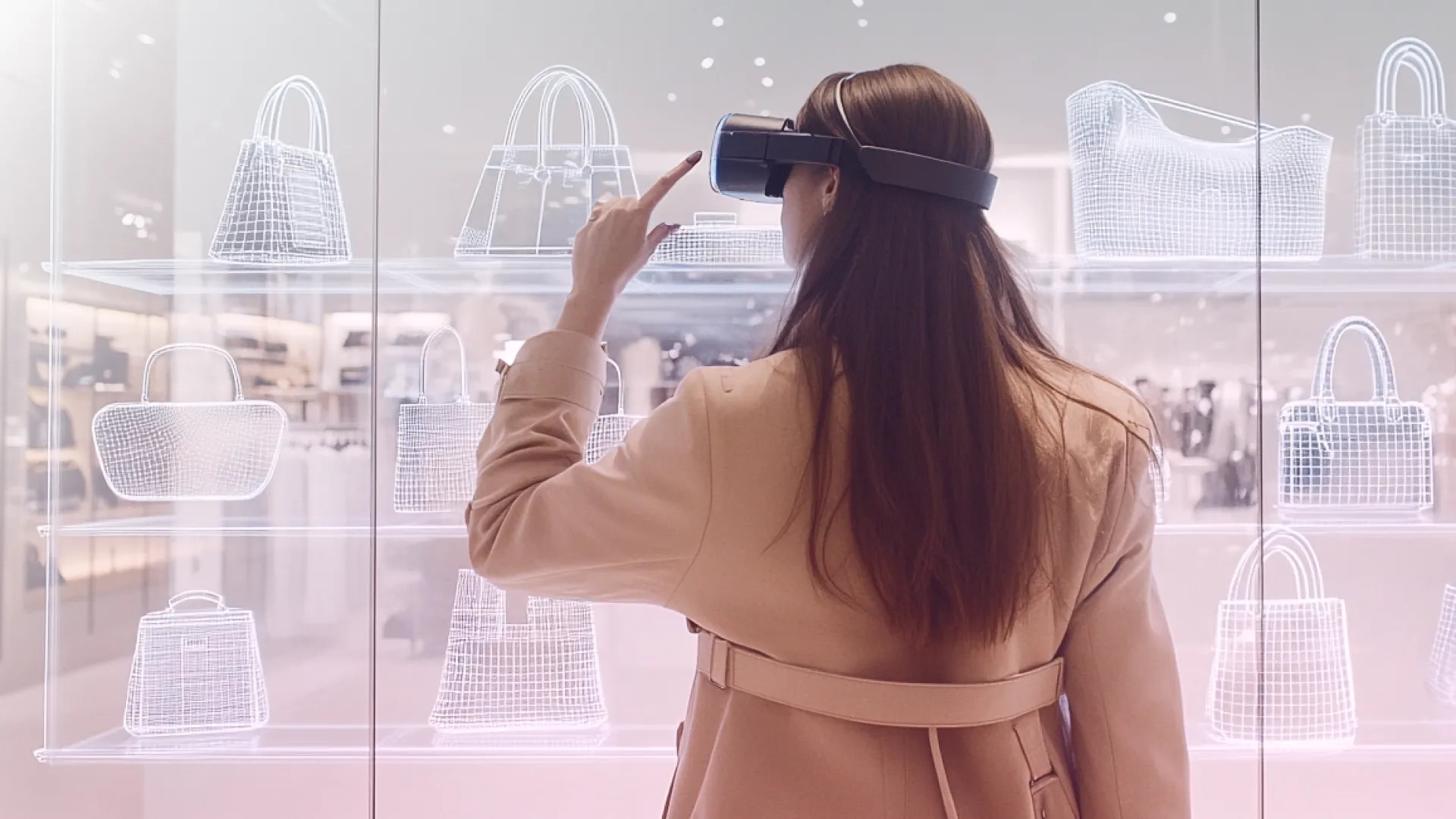
In today’s fast-evolving e-commerce landscape, brands are constantly seeking innovative ways to elevate the online shopping experience. Immersive virtual stores have emerged as a groundbreaking solution, blending cutting-edge technology with retail to create engaging, interactive environments for customers. One notable leader in this space is Amazon, which has recently unveiled its immersive virtual stores. This article dives into the concept of virtual stores, Amazon’s initiatives, and what this means for the future of e-commerce.
What are immersive virtual stores?
Immersive virtual stores are 3D-rendered shopping spaces that replicate or reimagine traditional retail stores online. Unlike static product pages, these stores allow customers to navigate, interact with products, and explore curated collections in an engaging, lifelike environment. By merging the physical store’s tangibility with the convenience of online shopping, virtual stores are reshaping how consumers browse and buy products.


Amazon’s venture into virtual retail
Amazon, the global e-commerce giant, has been a trendsetter in retail innovation. With its recent launch of immersive virtual stores, Amazon has set a new standard for interactive online shopping.
Amazon Beyond
Amazon’s latest initiative, “Amazon Beyond,” introduces over ten virtual stores on its platform. This ambitious move aims to create an immersive shopping experience that allows users to explore products in curated 3D environments directly through Amazon’s app and website.
The virtual holiday shop and virtual toy shop
Two flagship experiences are the Virtual Holiday Shop and the Virtual Toy Shop. These stores are designed to cater to seasonal shoppers, featuring themed layouts and exclusive product collections. From holiday decorations to popular toys, these immersive stores offer a unique way for customers to discover and shop for products tailored to the festive season.
Single-brand virtual showrooms
Amazon has also collaborated with renowned brands to create dedicated 3D spaces. Notable examples include virtual showrooms for LEGO®, Samsung, and Star Wars, allowing customers to interact with products in a brand-centric environment. This not only boosts product discovery but also enhances brand visibility.
Key features of Amazon’s immersive stores
Amazon’s virtual stores come equipped with several features that make them a game-changer:
- Interactive 3D Visuals: Products are presented in lifelike 3D renderings, enabling users to view them from multiple angles and even zoom in for finer details.
- Curated Product Collections: Each virtual store is tailored to specific themes or brands, making it easier for customers to find relevant items.
- Seasonal Updates: Amazon plans to refresh its virtual stores regularly, ensuring that customers always have access to new and trending products.
- Seamless Integration: These stores are embedded within Amazon’s existing platform, ensuring a smooth shopping experience for users.
Why immersive virtual stores matter
The launch of Amazon’s virtual stores marks a significant shift in e-commerce. Here’s why this innovation is critical:
Enhanced customer engagement
Immersive virtual stores keep customers engaged longer by offering an interactive experience. Shoppers are more likely to explore a virtual store than scroll through static product listings.
Improved product discovery
Curated collections and 3D visuals make it easier for customers to discover products they might not have considered otherwise. This can lead to higher sales and customer satisfaction.
Setting industry standards
Amazon’s investment in virtual retail signals the growing importance of immersive technologies in e-commerce. It’s likely to inspire other brands to adopt similar strategies.
How GlamAR can help brands build virtual stores
At GlamAR, we specialize in creating immersive virtual stores tailored to brand needs. With our cutting-edge technology and expertise, we help businesses craft engaging 3D shopping environments that captivate customers and drive sales.
Case Study: Hamleys Virtual Store
We partnered with Hamleys, the iconic toy retailer, to build a vibrant and interactive virtual store. This immersive experience allowed customers to explore curated toy collections, interact with products in 3D, and make purchases seamlessly. The virtual store not only enhanced customer engagement but also boosted online sales during peak seasons.
By leveraging GlamAR’s technology, brands can create personalized, interactive shopping spaces that stand out in the competitive e-commerce landscape.
The future of immersive retail
As technology advances, immersive virtual stores are poised to become a mainstream feature of online shopping. Key drivers of this trend include:
- Advancements in AI and AR: Artificial Intelligence (AI) and Augmented Reality (AR) will enable even more personalized and interactive shopping experiences.
- Broader Adoption: With leaders like Amazon paving the way, more retailers are expected to integrate immersive technologies into their platforms.
- Consumer Demand: Modern consumers, especially Gen Z and millennials, value engaging and unique shopping experiences. Virtual stores cater perfectly to these preferences.
Conclusion
Amazon’s entry into immersive virtual stores is a testament to the transformative power of technology in retail. By creating interactive, engaging, and customer-centric shopping experiences, Amazon is setting a precedent for the future of e-commerce. As immersive technologies continue to evolve, virtual stores will likely become an integral part of the online shopping journey, benefiting both consumers and brands alike.










