
Real-World Examples of AR Success in Retail


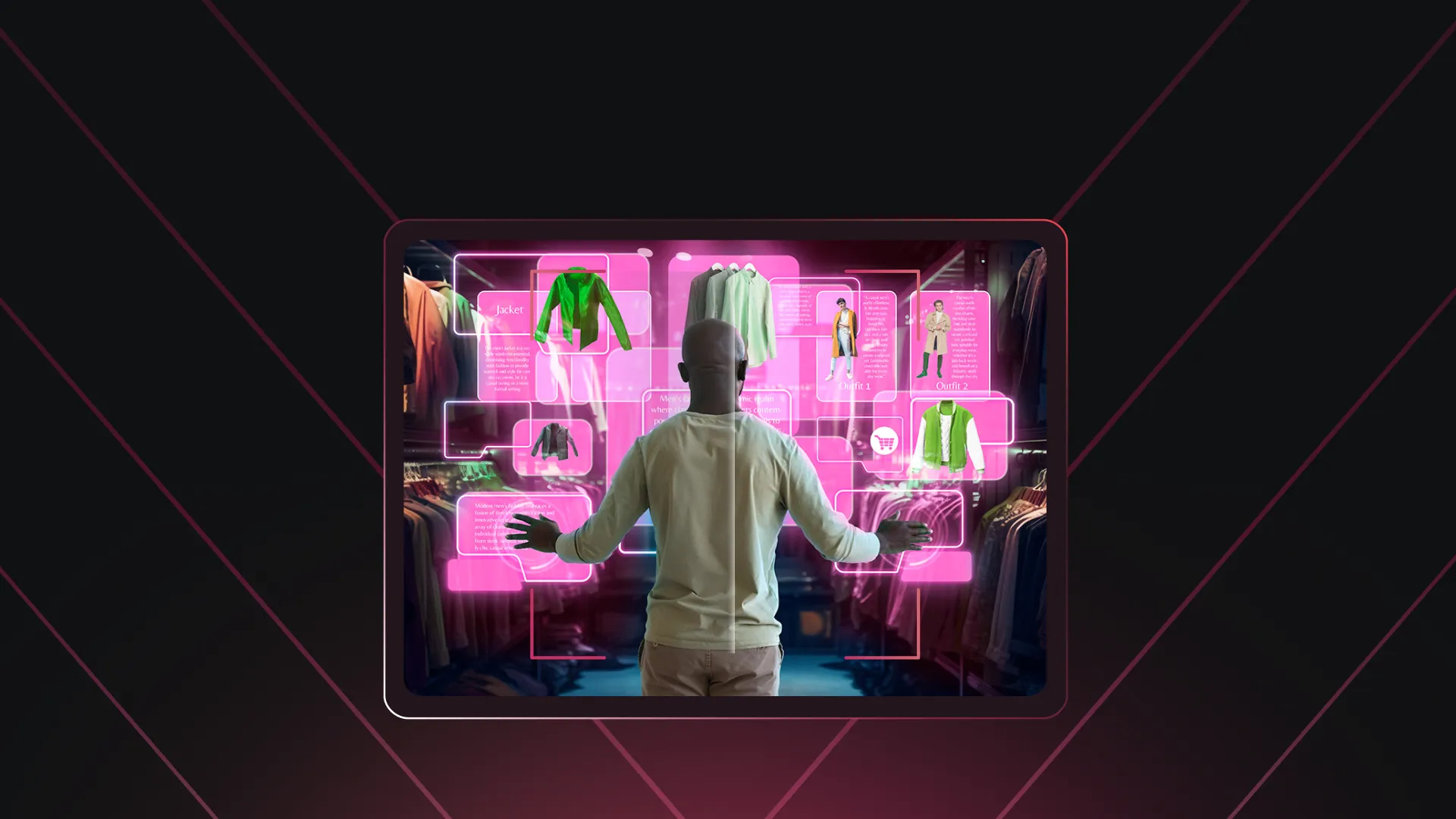
Augmented Reality (AR): The Future of Retail
In today’s digital world, where convenience and experience shape consumer behavior, Augmented Reality (AR) is revolutionizing how businesses connect with their customers. It bridges the gap between the virtual and real worlds, offering interactive experiences that engage customers like never before.

What is Augmented Reality (AR)?
AR overlays digital elements—such as images, animations, or data—onto a user’s view of the real world. Unlike Virtual Reality (VR), which immerses users in a completely virtual environment, AR enhances reality by blending digital information into real-world settings. AR technology can be experienced through smartphones, tablets, or wearable devices like smart glasses, allowing users to see and interact with digital content superimposed on their surroundings.
In retail, AR can transform the way customers shop by offering personalized, immersive experiences that enhance their decision-making process.
Real-Life Examples of AR in Retail Success
Several forward-thinking brands have already integrated AR into their retail strategies and have seen impressive results:
Augmented Reality (AR) is changing the way we shop, making it easier and more fun. Many well-known brands are using AR to help customers see how products will look and fit in their lives. This article explores some successful examples of AR in retail, showing how it helps businesses grow and keeps customers happy.
Warby Parker's Virtual Try-On for Glasses
Warby Parker has made it easy for customers to virtually try on glasses from their own homes. This feature allows users to see how different frames look on their faces without needing to visit a store. Here are some key points about this service:
- Users can upload a photo or use their camera to see the glasses on their face.
- The app offers a wide variety of styles to choose from.
- Customers can share their favorite looks with friends for feedback.
Technology Behind the AR Experience
The technology used in Warby Parker's virtual try-on is quite advanced. It combines augmented reality with facial recognition to create a realistic experience. Here’s how it works:
- The app detects the user’s face and features.
- It overlays different glasses styles onto the user’s image.
- Users can rotate their heads to see how the glasses look from different angles.
Customer Satisfaction and Sales Impact
The virtual try-on feature has significantly impacted customer satisfaction and sales. Many users report feeling more confident in their choices.
A recent survey showed Warby Parker's innovative approach to virtual try-ons has transformed how customers shop for glasses, making it a fun and engaging experience.
L'Oreal's AR Makeup Try-On Collaboration with Facebook
L'Oreal teamed up with Facebook to create an exciting AR makeup try-on experience. This partnership allowed users to test various makeup products virtually, making it easier to find the right shades and styles. The brands involved include:
- L'Oreal: A leading beauty brand known for its innovative products.
- Facebook: A social media giant that provides the platform for the AR experience.
User Interaction and Engagement
The AR try-on feature has significantly increased user interaction. Customers can:
- Try on makeup virtually using their smartphone cameras.
- Share their looks on social media, enhancing engagement.
- Receive personalized product recommendations based on their virtual try-ons.
Boosting Sales Through Virtual Try-Ons
The collaboration has shown a positive impact on sales. Here are some key points:
- Increased Sales: Many users reported purchasing products after trying them on virtually.
- Customer Feedback: Users appreciated the convenience and fun of trying on makeup from home.
- Brand Loyalty: The interactive experience has helped strengthen customer loyalty to L'Oreal products.
The use of AR technology in makeup allows customers to experiment with different looks without the need for physical products, making shopping more enjoyable and efficient.
WatchBox's AR Experience for Luxury Watches
WatchBox has transformed the way customers shop for luxury watches by using augmented reality (AR). This technology allows shoppers to virtually try on different watch sizes and styles, ensuring they find the perfect fit. Customers can see how a watch looks on their wrist without leaving their homes.
Customer Feedback and Engagement
The response from customers has been overwhelmingly positive. Here are some key points about the AR experience:
- Authenticity: Each timepiece is meticulously inspected and authenticated, ensuring the highest quality and craftsmanship.
- Convenience: Shoppers can try on multiple watches quickly, making the selection process easier.
- Engagement: The interactive nature of AR keeps customers engaged and excited about their choices.
Impact on Purchase Decisions
The use of AR has significantly influenced customer buying decisions. A recent survey showed:
The integration of AR in luxury watch shopping not only enhances the experience but also builds trust with customers, making them more likely to invest in a piece of horological history.
Nike's Innovative Use of AR in Physical Stores
Enhancing Customer Engagement with AR
Nike has embraced augmented reality to create a more engaging shopping experience. Customers can scan products in-store to access detailed information and interactive content. This not only makes shopping fun but also helps customers feel more connected to the brand.
Virtual Reality Experiences in Nike Stores
In addition to AR, Nike offers virtual reality experiences that allow customers to explore the brand's supply chain. By stepping into a VR world, shoppers can see how their favorite products are made, which enhances their understanding and appreciation of the brand.
Impact on Sales and Customer Loyalty
The integration of AR and VR has shown to positively impact sales and customer loyalty. Here are some key points:
- Increased Engagement: Customers spend more time in stores when interactive experiences are available.
- Higher Satisfaction: Shoppers report feeling more satisfied with their purchases after using AR features.
- Repeat Visits: Engaging experiences encourage customers to return, boosting loyalty.
The use of AR in retail is not just a trend; it’s a way for businesses to succeed by creating memorable shopping experiences. Business using AR can significantly improve customer satisfaction and loyalty, leading to a thriving business model.
IKEA's AR-Powered Place App
Visualizing Furniture in Your Home
IKEA's Place App uses augmented reality to help customers see how furniture will look in their own spaces. This app allows users to visualize items in their homes before making a purchase, making furniture shopping much easier and more enjoyable.
User Experience and Feedback
The app has received positive feedback for its user-friendly interface. Here are some key points about the user experience:
- Easy to Use: Customers can simply point their smartphone camera at a space to see how furniture fits.
- Realistic Visualization: The app provides a clear view of how items will look in real life.
- Convenience: Users can try out multiple pieces without leaving their homes.
Driving Online and In-Store Sales
The Place App has significantly impacted IKEA's sales strategy. Here’s how:
- Increased Online Sales: Customers are more likely to buy after visualizing products in their homes.
- Enhanced In-Store Experience: Shoppers can use the app while in-store to confirm their choices.
- Customer Loyalty: By providing a unique shopping experience, IKEA builds stronger relationships with its customers.
The IKEA Place App is a game-changer in furniture shopping, allowing customers to make informed decisions without the hassle of physical measurements.
Overall, IKEA's innovative use of AR technology has transformed how customers shop for furniture, making it a standout example in the retail industry.
Conclusion
In conclusion, augmented reality (AR) is changing the way we shop in exciting ways. Retailers who use AR are seeing more customers and better sales. This technology helps shoppers visualize products in their own spaces, try on clothes virtually, and even see how furniture fits in their homes. With many people eager to use AR while shopping, it’s clear that this trend is here to stay. As more stores adopt AR, we can expect shopping to become even more fun and interactive. The future of retail looks bright with AR leading the way.










