
Why Choose 3D Modeling Platforms Over Freelancers for Businesses


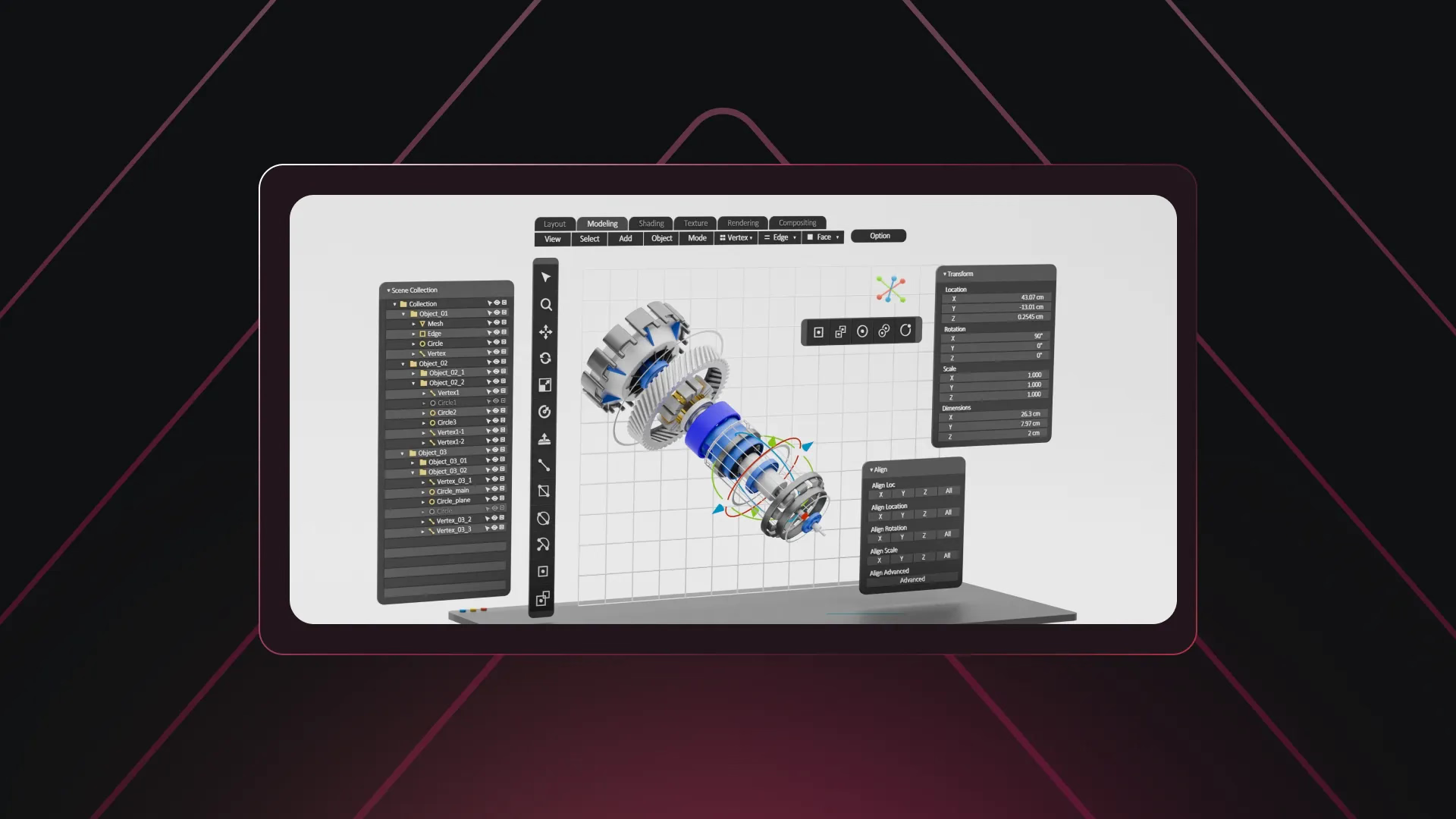
When faced with the choice between hiring freelancers or partnering with a 3D modeling platform, many businesses initially lean towards freelancers due to perceived flexibility or cost benefits. But as projects grow in complexity, the hidden advantages of a platform become clear. Here’s why platforms are the superior choice for businesses looking to scale their operations while maintaining high-quality standards.
1. Efficiency Over Everything
Freelancers work individually, and while this works for small projects, scaling up is where challenges emerge. A single freelancer can only handle so much work before delays or compromises in quality occur. If you’re launching a new product line and need dozens (or hundreds) of 3D models in a short time frame, relying on freelancers can cause bottlenecks.
Platforms, however, are designed for efficiency. They operate with dedicated teams, automated workflows, and streamlined processes. This allows them to deliver bulk orders faster while maintaining uniform quality. For instance, a platform can allocate multiple experts to work on different parts of a project simultaneously, ensuring timely delivery even for the most demanding timelines.


2. Consistent Quality Every Time
One of the biggest challenges of working with freelancers is inconsistency. Each freelancer has their own tools, techniques, and levels of expertise, leading to variations in the final output. This inconsistency can hurt your brand image, especially when customers expect a unified look and feel across all your products.
Platforms operate with standardized guidelines and quality control measures. They ensure that every model meets a set standard, from geometry to textures to rendering. A platform’s reputation depends on delivering polished and uniform results, making them a reliable choice for businesses that prioritize quality.
3. Access to Cutting-Edge Technology
Freelancers typically use the tools they’re comfortable with, which may not always be the latest or most advanced software available. This can limit the features, realism, or compatibility of the final 3D models. For instance, a freelancer might not have access to premium rendering engines or AI tools for optimization.
Platforms, on the other hand, invest heavily in technology. From advanced rendering software to AI-powered tools for automating repetitive tasks, platforms have the resources to deliver models that are optimized for modern applications like AR and VR. This ensures your models are future-ready and compatible with multiple platforms and devices.
4. Scalability for Growing Brands
Freelancers can manage only a certain number of projects at a time. If your brand suddenly scales—launching in multiple markets or expanding your product range—you’ll need more 3D assets than a single freelancer can handle. Managing multiple freelancers adds complexity, with the potential for communication breakdowns and inconsistent results.
Platforms eliminate this problem by offering scalable solutions. Need one model? They’ve got you covered. Need 1,000 models in a month? No problem. Their ability to scale ensures your projects remain on track, regardless of how big or urgent they become.
5. Post-Delivery Support and Updates
Once a freelancer finishes a project, they may not always be available for updates or modifications. Need to tweak a model’s texture for a new campaign? Or adjust dimensions to fit a new AR platform? If your freelancer has moved on to other projects, you’re out of luck.
Platforms, however, typically include post-delivery support as part of their service. Whether it’s updating existing models or troubleshooting issues, they offer ongoing assistance to ensure your 3D assets remain functional and up to date. This level of support is crucial for businesses operating in fast-paced industries.
6. Intellectual Property and Confidentiality
Freelancers often work on a project-by-project basis, and not all have robust agreements for intellectual property (IP) or confidentiality. This creates potential risks, especially if your designs are unique or proprietary.
Platforms operate with well-defined legal frameworks that prioritize IP protection and confidentiality. They ensure your designs remain secure and exclusively yours, safeguarding your competitive edge in the market.
Comparison Table: Freelancers vs. 3D Modeling Platforms
Choosing between freelancers and platforms is a strategic decision. For businesses that value quality, scalability, and long-term reliability, 3D modeling platforms like GlamAR are the clear winners. Ready to elevate your 3D assets? Contact us today and let’s build something extraordinary together.










