
Augmented reality vs virtual reality learn the difference in 2026


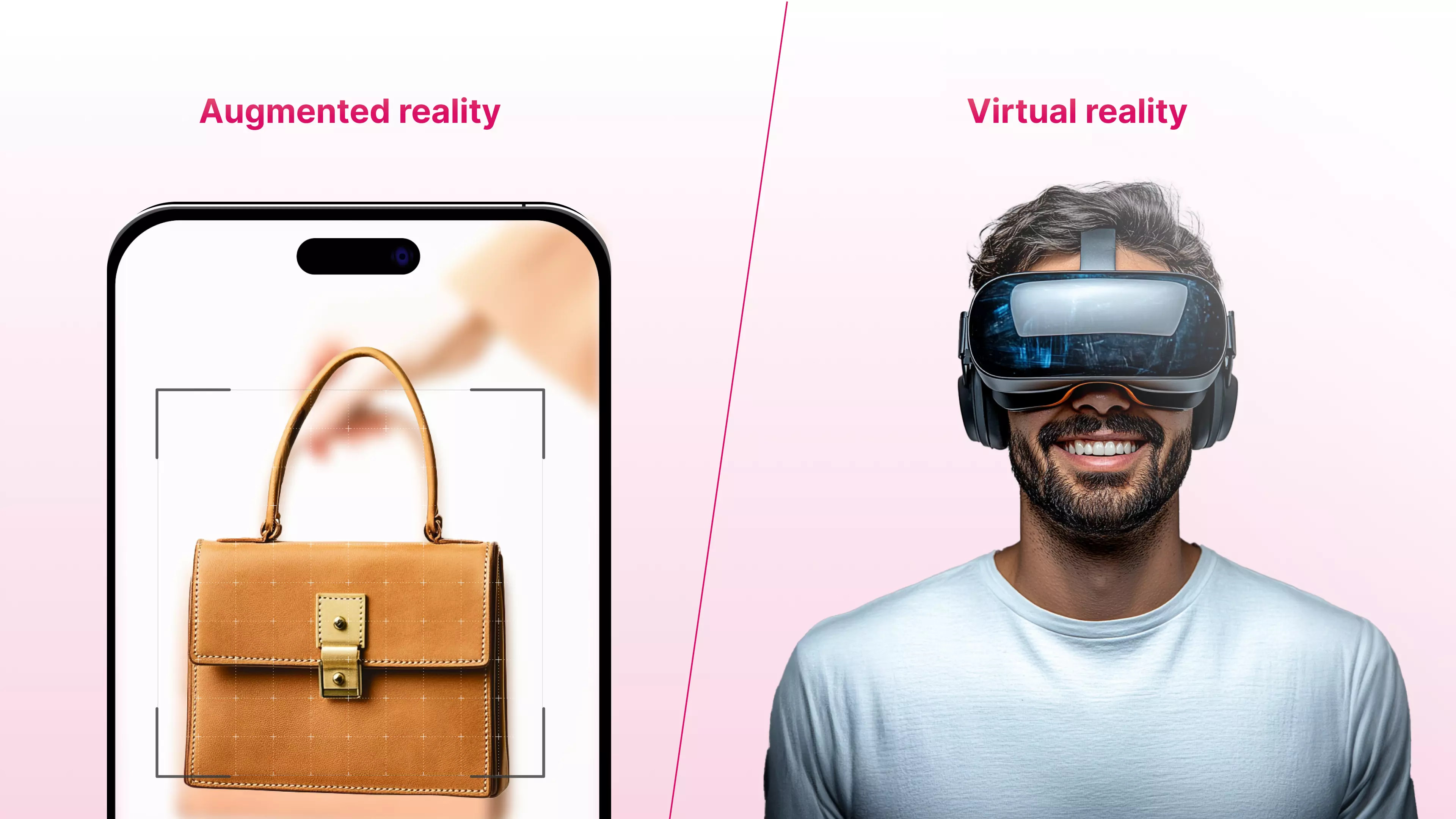
Augmented reality (AR) and virtual reality (VR) are two rapidly evolving technologies reshaping how we interact with digital and physical worlds. While both use computer-generated images (CGI), their purpose and user experiences differ significantly. AR blends the digital with the physical by overlaying virtual elements onto the real world, often through smartphones or AR glasses. This allows users to interact with both environments simultaneously.
On the other hand, VR creates fully immersive, computer-generated environments that replace the physical world entirely. Using specialized headsets and controllers, users are transported into a virtual space, experiencing a world designed solely for them. VR is commonly used in gaming, simulations, and virtual tours, offering an experience far removed from reality.
In this blog, we are going to look at the key differences between AR and VR, their practical applications, and the strengths and limitations of each technology. By understanding these distinctions, businesses and individuals can make informed decisions about how to leverage these technologies in various industries like gaming, education, healthcare, and marketing.


What is augmented reality?
Augmented reality (AR) is a technology that enhances the real world by overlaying digital content, such as images, sounds, or other sensory stimuli, onto a user's view of their environment. This is typically achieved using devices like smartphones, tablets, AR glasses, or headsets. Unlike virtual reality (VR), which creates a completely immersive digital environment, AR allows users to interact with both the digital and physical worlds at the same time, providing a more seamless experience.
AR has found applications in various industries, including healthcare, education, retail, and entertainment. For example, in retail, AR enables customers to try on clothes or makeup products virtually. In education, AR helps create interactive learning experiences by integrating 3D models or visual aids into lessons. As AR technology continues to improve, it offers exciting possibilities for businesses and consumers alike, providing innovative ways to interact with digital content and enhance real-world experiences.
Advantages and disadvantages of augmented reality
Advantages of augmented reality
- Enhanced user experience: AR improves interaction with the environment by overlaying digital elements, offering an immersive yet non-disruptive experience. This is valuable in industries like gaming, education, and retail, where users can visualize products or concepts in real-time.
- Increased engagement: AR creates interactive and dynamic experiences that capture users' attention. In marketing, this leads to higher engagement rates as consumers can interact with products virtually before purchasing.
- Improved learning and training: AR is used in education and training, allowing users to engage with 3D models or simulations, providing a more effective and hands-on learning experience.
- Real-time information: AR delivers contextual, real-time information, which can be particularly useful in fields like navigation, healthcare, and engineering, helping users make informed decisions quickly.
Disadvantages of augmented reality
- High development costs: Creating AR applications and hardware can be expensive, as it requires advanced technology and expertise, making it less accessible for small businesses.
- Privacy concerns: Since AR devices can collect data about users’ surroundings, there are concerns about privacy and data security, especially if sensitive information is inadvertently captured.
- Health issues: Prolonged use of AR, particularly on headsets or glasses, can cause eye strain, headaches, or even nausea due to the continuous interaction with virtual elements overlaid with the physical world.
- Limited accessibility: Not everyone has access to the necessary devices, such as AR glasses or smartphones with advanced capabilities, limiting the widespread use of AR technology.

What is virtual reality?
Virtual Reality (VR) is a computer-generated simulation that immerses users in a fully virtual environment. Unlike augmented reality, which overlays digital elements onto the real world, VR replaces the physical world with a completely digital space. By wearing VR headsets equipped with sensors, users can interact with and experience virtual surroundings as though they were real. This technology has applications in gaming, entertainment, healthcare, training, and education, offering lifelike and engaging experiences.
One of VR's key benefits is its ability to transport users to new environments without leaving their physical space. It is particularly valuable in sectors that require training in complex or dangerous scenarios, such as aviation or surgery. VR also serves as a tool for entertainment, providing immersive video games and interactive experiences. However, the technology can be costly, and prolonged use may lead to discomfort or motion sickness. Despite these challenges, VR continues to advance, offering more realistic and interactive experiences in diverse fields.
Advantages and disadvantages of virtual reality
Advantages of virtual reality
- Immersive experiences: VR offers highly immersive environments, ideal for gaming, entertainment, and simulations. Users can engage in lifelike interactions, enhancing their experience.
- Training and education: It allows safe, controlled environments for training in fields like aviation, medicine, and military operations, where real-life practice could be expensive or dangerous.
- Enhanced learning: VR aids in creating engaging learning experiences, making complex concepts easier to understand by visualizing them in 3D.
- Medical therapy: Virtual Reality can be used in medical rehabilitation, offering therapy for pain management, phobias, and motor skills recovery.
Disadvantages of virtual reality
- Cost: High-quality VR hardware and software can be expensive, limiting accessibility for some users.
- Health concerns: Prolonged use may cause motion sickness, eye strain, or headaches, affecting user comfort.
- Limited content: While the VR landscape is growing, there is still a lack of varied, high-quality content across all industries.
- Technical barriers: VR systems require powerful computers or consoles, which may be a barrier for users with lower-end devices.
The key difference between AR and VR
The world of AR and VR presented by GlamAR
GlamAR introduces a sophisticated platform for augmented and virtual reality, merging cutting-edge technology with beauty innovation. Its AR solutions empower businesses to integrate virtual try-ons for makeup, hair color, and skincare directly into digital platforms, enhancing product representation. GlamAR’s advanced facial recognition ensures the precise application of virtual products, creating a realistic and dynamic interaction.
VR offerings extend immersive experiences, enabling brands to create virtual beauty consultations or showcase product demonstrations in 3D environments. GlamAR supports seamless integration across websites, apps, and social media, aligning with the fast-evolving digital landscape. With a focus on scalability and innovation, GlamAR equips businesses with tools to stay competitive, making AR and VR essential components of modern beauty marketing strategies.
Conclusion
Augmented reality enhances the real world with digital overlays, while virtual reality creates entirely immersive digital environments. Both technologies offer unique applications, catering to diverse needs in various industries, with AR blending reality and VR providing full immersion.










