
Melhores aplicações de análise de pele de IA para marcas de beleza


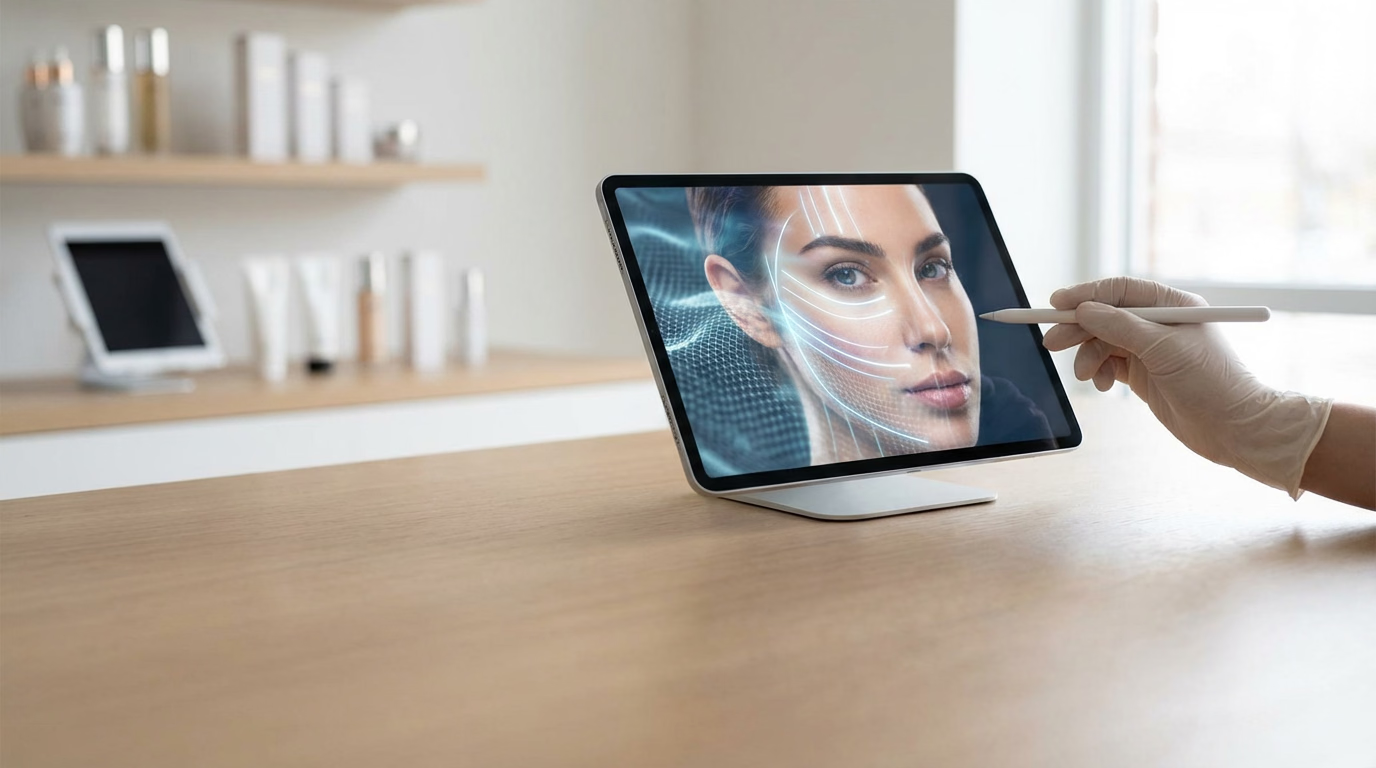
These days, tech is moving fast, and beauty brands are jumping on the bandwagon to keep up. Using an AI skin analysis app for beauty brands has become a must-have. These apps offer super accurate and personalized skincare advice and product tips.
For brands looking to connect better with customers and boost sales, AI skin analysis is a game-changer. Let's dive into some top apps that are leading the charge.
Top AI Skin Analysis Apps
- App A
- Best for: Large beauty retailers
- Standout features: Real-time analysis, integration with AR
- App B
- Best for: Small and medium-sized brands
- Standout features: Customizable recommendations, detailed reports
- App C
- Best for: Brands focused on sustainability
- Standout features: Eco-friendly recommendations, ingredient transparency
Understanding AI Skin Analysis and Its Features
How AI Skin Analysis Works
AI skin analysis uses smart algorithms to check out skin conditions through images or videos. It spots key issues like hydration, pigmentation, and fine lines, giving a detailed skin profile. The tech keeps learning and getting better, offering more detailed insights each time it's used.
Key Features
- Real-time Analysis: Gives instant feedback on your skin, tackling concerns right away.
- Personalized Recommendations: Provides skincare tips that fit you perfectly, upping customer happiness.
- Integration with AR: Lets you see product effects live, making shopping more fun.
- Data-driven Insights: Helps brands get what customers need and tweak their products accordingly.
Benefits of AI Skin Analysis
Customer-Centric Benefits
AI skin analysis does more than just check your skin. It changes how brands and customers interact:
- Enhanced Customer Interaction: Personal consultations make people feel special, boosting satisfaction.
- Increased Sales: Tailored product tips lead to more purchases as customers buy what's right for them.
- Customer Loyalty: Personal touches build loyalty and bring customers back.
Operational Benefits
- Efficiency: Makes consultations quicker, saving time for everyone, and helps with fast decision-making.
- Data Utilization: Brands can take advantage of insights to inform product development and marketing strategies.
Leading AI Skin Analysis Providers
1. DeepAR
DeepAR delivers top-notch tech for deep skin analysis. Its smart algorithms offer a thorough skin report, helping brands give spot-on skincare advice. Everyone loves its seamless integration and how it keeps up with market needs.
- Best used for: Dermatology clinics and high-end beauty brands
- Standout features:
- Full skin reports
- Customizable dashboards
- Advanced machine learning models
2. Banuba
Banuba is known for being easy to use and giving detailed skin assessments. It's perfect for brands wanting to offer personalized skincare solutions without needing complex systems. Even though it's simple, it doesn't skimp on depth.
- Best used for: Small to medium-sized beauty brands
- Standout features:
- Detailed analysis reports
- Easy integration with e-commerce platforms
- Flexible subscription models
3. ModiFace
ModiFace focuses on sustainable beauty, offering eco-friendly tips based on skin analysis. It helps brands match their products with eco-conscious values, making it a hit among green beauty brands.
- Best used for: Eco-friendly beauty brands
- Standout features:
- Eco-friendly product recommendations
- Ingredient transparency
- Sustainability-focused insights
Comparison Table of AI Skin Analysis Apps
Feature Overview
- App A
- Best For: Large beauty retailers
- Standout Features: Real-time analysis, integration with AR
- App B
- Best For: Small and medium-sized brands
- Standout Features: Customizable recommendations, detailed reports
- App C
- Best For: Brands focused on sustainability
- Standout Features: Eco-friendly recommendations, ingredient transparency
Cost and Integration
- App A: Premium cost with high integration capabilities.
- App B: Affordable cost with moderate integration features.
- App C: Moderate cost with high integration features.
Applications Across Industries
Beauty and Fashion
AI skin analysis isn't just for beauty. It's making waves in other fields too, such as tailoring skincare routines and enhancing beauty consultations.
- Beauty: Tailoring skincare routines and enhancing beauty consultations.
- Fashion: Improving customer experience with virtual try-ons and personalized clothing suggestions based on skin tone and texture.
Other Industries
- Eyewear: Combining skin analysis with facial recognition for a perfect eyewear fit, offering a seamless shopping experience.
- Jewelry: Integrating skin tone analysis for suitable jewelry suggestions, aiding in personalized shopping experiences.
- Furniture: Using AI insights to customize interior settings that complement the user's natural environment.
Common Mistakes to Avoid
Data and Privacy Concerns
When rolling out AI skin analysis apps, watch out for these common mistakes:
- Ignoring Data Privacy: Keep customer info safe with solid data security.
- Overlooking User Experience: Pick apps that are simple and easy for customers to use.
Implementation Challenges
- Lack of Training: Make sure your team knows how to use the tech and read the data right.
- Not Fully Utilizing Data: Use the insights from the data to drive bigger business strategies, not just immediate product tips.
Tools Comparison
User Experience and Integration
Finding the right AI skin analysis tool means knowing what your brand needs. Here's a quick comparison to help you out:
- DeepAR
- User Experience: Moderate
- Integration: High
- Cost: Premium
- Banuba
- User Experience: High
- Integration: Moderate
- Cost: Affordable
- ModiFace
- User Experience: Moderate
- Integration: High
- Cost: Moderate
How GlamAR's Solution Enhances AI Skin Analysis
GlamAR's Unique Features
At GlamAR, we offer a top-notch AI skin analysis solution that helps beauty brands deliver personalized skincare experiences. Our tech fits right into your brand’s setup, providing real-time skin checks and personalized advice. GlamAR's solution is built to match your specific needs, boosting user interaction and driving sales up.
Customer Experience and Security
Brands choose GlamAR because we put user experience and data security first, making sure your customers have a smooth and safe experience. Check out our AI Skin Analysis Conversion for D2C Beauty Brands or dive into our AI Skin Analyzer Apps for more insights. Let GlamAR help you transform your brand's digital presence with AI.
Brands Using AI Skin Analysis
Success Stories
Top beauty brands are already using AI skin analysis to enhance customer interactions. Big brands have integrated AI solutions into their websites, letting users get personalized product suggestions right from home. These brands talk about better customer satisfaction and higher sales, showing the real perks of using AI tech.
Future Potential
If your brand's ready to dive into this digital shift, AI skin analysis could be your next big move toward success. Whether you're a new brand or a big player, AI techs open doors to innovation and growth.
Implementation Steps for AI Skin Analysis
Step 1: Define Objectives
Before implementing AI skin analysis, it's important to define clear objectives. Determine what you want to achieve, whether it's enhancing customer interaction, increasing sales, or improving product recommendations.
Step 2: Choose the Right App
Select an AI skin analysis app that aligns with your brand's goals. Consider factors such as features, ease of integration, and cost. GlamAR offers a complete solution that can be custom to meet specific brand needs.
Step 3: Train Your Team
Ensure your team is well-trained in using the AI technology. Provide thorough training sessions to help them understand how to interpret data and deliver personalized skincare advice effectively.
Step 4: Monitor and Improve
Regularly monitor the performance of the AI skin analysis app. Gather feedback from customers and make necessary adjustments to fine-tune the user experience and achieve desired outcomes.
Industry Examples of AI Skin Analysis
Case Study: Brand X
Brand X, a leading beauty retailer, integrated AI skin analysis into their online platform. This allowed customers to receive personalized skincare recommendations from the comfort of their homes, resulting in a 20% increase in online sales and a significant boost in customer satisfaction.
Case Study: Brand Y
Brand Y utilized AI skin analysis in their physical stores, providing customers with real-time skin assessments and custom product suggestions. This innovation led to a 30% increase in foot traffic and enhanced customer loyalty.
Future Trends in AI Skin Analysis
Emerging Technologies
The future of AI skin analysis is bright, with new technologies emerging to boost user experience. Innovations like improved image recognition and deeper personalization algorithms are set to redefine how brands interact with consumers.
The AI skincare market is expected to grow by 15% annually over the next five years (Statista 2025). This growth is driven by increasing consumer demand for personalized beauty solutions.
Also, a report from McKinsey highlights how AI integration in beauty is transforming consumer interaction, predicting a significant increase in AI adoption across various beauty sectors.
How to Choose the Right AI Skin Analysis App
Assessing Brand Needs
When choosing an AI skin analysis app, it's important to assess your brand's specific needs. Consider what features are most important, such as real-time analysis, data security, or integration with existing systems.
Evaluating Cost and ROI
Cost is a significant factor when selecting an AI skin analysis app. Evaluate the potential return on investment by considering how the app can improve customer satisfaction and increase sales.
Testing and Trial Periods
Many AI skin analysis providers offer trial periods. Use these to test the app's features and ensure it meets your brand's requirements before committing to a long-term contract.
GlamAR's Role in AI Skin Analysis
Integration with GlamAR
GlamAR offers smooth integration with existing beauty platforms, enhancing the overall user experience. By using GlamAR's AR Beauty Try-On, brands can provide customers with a unique and engaging way to explore skincare products.
GlamAR's Commitment to Innovation
GlamAR is committed to staying at the forefront of AI technology, continuously updating its features to provide the most accurate and personalized skincare solutions. This dedication to innovation ensures that beauty brands using GlamAR remain competitive in a rapidly evolving market.
Conclusion
AI skin analysis apps are transforming the beauty industry by offering personalized skincare solutions that enhance customer engagement and drive sales. With the right app, brands can stay ahead of the curve, providing innovative solutions that meet the evolving needs of consumers.










