AI face scan attractiveness


Face recognition and artificial intelligence


Real-time user interaction
One-on-one beauty insights
Frequently asked questions
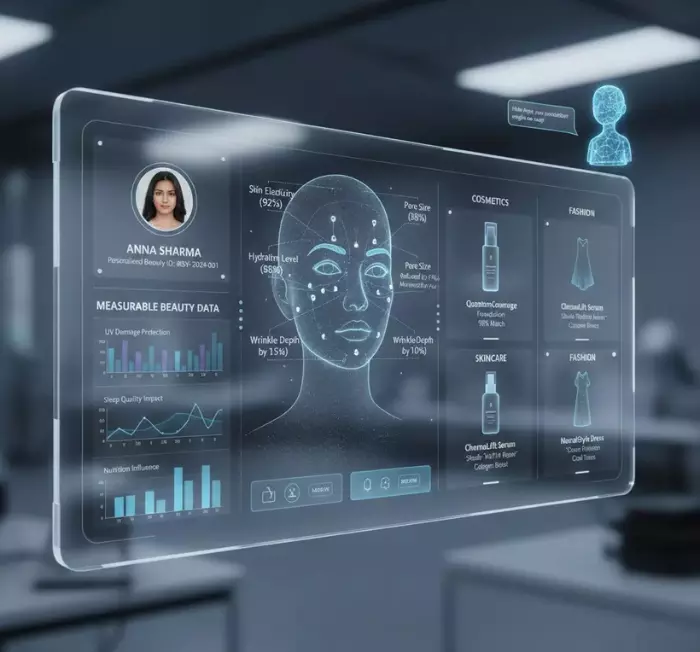
In AI face scan attractiveness, AI algorithms examine the various features of the faces based on the symmetry, proportions, and ratios, which are scientifically approved. All these aspects may be estimated to depict some perceived beauty or the attraction of a face by measuring such aspects as the golden ratio, the symmetry of the face, and the alignment of the features.
Using extremely advanced computer vision and machine learning algorithms, AI uses massive and diverse collections of faces to train the model. It recognizes high-level features of the face (eyes, nose, mouth, and jawline) and takes ratios and ratings of symmetry, which provide a subjective assessment of attractiveness. The quality of the report obtained depends on the image accuracy and the diversity of the training data of the algorithm.
The bias may occur in case the training data are not diverse in terms of ethnicity, age, or gender. Credible AI tools are actively biased by incorporating diverse datasets and optimizing algorithms. Nevertheless, beauty perception is relative and culture-dependent, and AI scores must be considered as a single informative tip and not a reference.
The level of privacy of a user's data or information depends on the vendor providing this tool. Some reliable providers use robust data encryption and anonymization and adhere to privacy standards, such as GDPR. Facial data can be manipulated either on-site or safely on servers with short retention times. Facial scan results should only be stored or shared with the consent of users.
Yes, many AI face scan applications offer API or SDKs, which allow them to be readily connected to beauty, skincare, dating, social media, and photo editing applications. This will enable real-time analysis in other platforms and a better user experience in the form of customized recommendations or creative filters.
Beauty and cosmetics deploy it to offer your customers customized skin and makeup suggestions. It is applied in dating applications in order to enhance profile matching. It finds application in the health sector, such as in dermatology, where it is applied to examine skin. The insight into the user's facial data and targeted campaigns is being used by the companies as marketers of their products.
Discover how AR, VR and 3D can drive revenue growth in 2026
Schedule a call with our team

.avif)