GlamAR’s AI skin analysis for rosacea, enhancing shopping experiences


In-depth skin analysis

.gif)
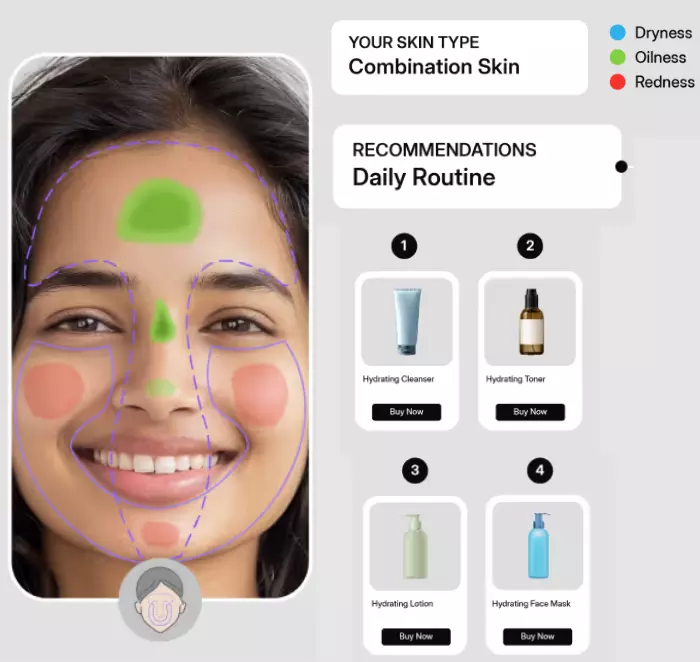
Customized & accurate product recommendations
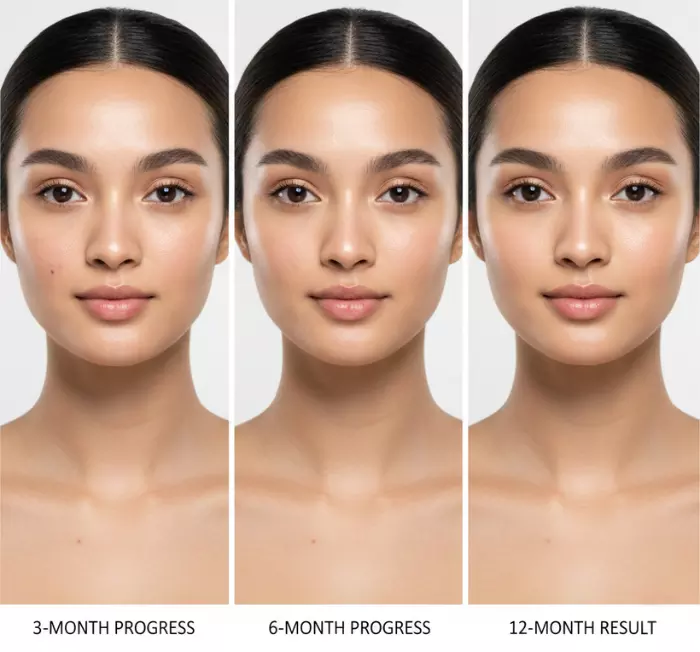
Tracking skin progress over time
Frequently asked questions
AI skin analysis for rosacea uses AI to study a photo of your customer's face. It looks for signs of rosacea, such as redness, bumps, and visible blood vessels. The tool uses deep learning to compare their skin with thousands of other images. Most importantly, it can detect patterns that may be hard to see with the human eye. It gives clear and consistent results of skin analysis. It can help identify possible rosacea and its level of severity. Also, the tool may suggest personalized skincare products or routines for your customers. It supports early detection, better skin care choices, and easier monitoring of changes over time.
AI skin analysis for rosacea uses machine learning. It can study clear photos of your customers' skin. The results may vary depending on image quality and lighting conditions. The system uses special models called CNNs, trained on thousands of skin images. They can recognize patterns. They learn to find out the signs of rosacea, like redness, visible veins, bumps, and irritation. When your customer uploads a photo, the AI compares it with its database. Then, it detects problem areas and rates the severity with AI. The process is fast and consistent. Thus, it helps in identifying possible rosacea and gives useful skin insights. Plus, it can support consumers' skincare decisions and early care.
AI skin analysis for rosacea helps skincare brands offer personalized product recommendations. This makes customers feel understood and supported. It also improves customer engagement because people enjoy interactive tools. The AI provides clear and quick results, which builds trust. Brands can collect useful data about customer skin concerns. But they should maintain transparency about data handling. This helps them create better products in the future. Also, it supports them in targeted marketing and future business decisions. The system reduces guesswork and improves customer satisfaction. Overall, it strengthens the brand image and helps companies offer more effective skincare solutions.
Integrating AI skin analysis for rosacea into your platform may pose challenges. The AI tool should detect redness and sensitivity with optimum accuracy. But it may vary across different skin tones. Also, it needs high-quality images and strong algorithms to generate reliable results for consumers. Regulatory requirements for health-related tools must be followed to protect users. Data privacy and secure storage are essential because the platform handles personal images. Ethical concerns, such as avoiding bias and ensuring fair analysis for all users, must be addressed. Therefore, clear communication and responsible use of AI may help build customer trust. It can create a safe and effective rosacea analysis feature.
AI skin analysis cannot confirm rosacea in a complete manner. It can only suggest the possibility of the condition. The AI tool can detect signs like redness, bumps, and visible veins with high accuracy. But it should not replace a medical diagnosis. AI tools are useful for supporting professional diagnosis. They help consumers understand their skin better. They also guide them toward proper care. For a final diagnosis and treatment plan, a dermatologist is still needed. AI is helpful, but it is not a complete medical solution.
AI skin analysis tools for rosacea have shown promising accuracy while detecting visual signs like redness and bumps. But accuracy relies on image quality, lighting, and diverse skin tones. While some advanced models may perform comparably to less experienced dermatologists in narrow scenarios, they cannot diagnose rosacea or identify its subtypes. They are best used as early screening tools to guide users toward professional care.
Discover how AR, VR and 3D can drive revenue growth in 2026
Schedule a call with our team

.avif)