GlamAR’s AI skin analysis for skin hydration, transforming customer experiences


Advanced AI-driven skin assessment

Brand-specific product recommendations
Cross-platform integration
Frequently asked questions
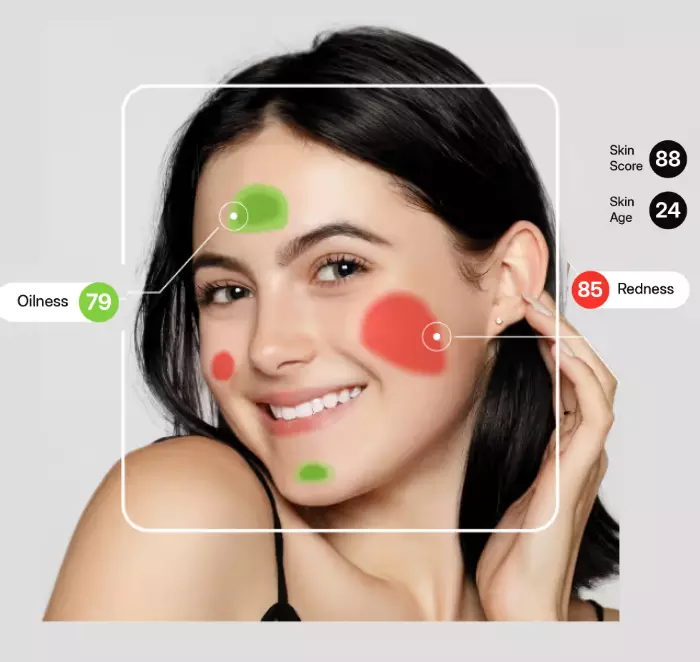
AI skin analysis for hydration examines the moisture-holding capacity of your customers' skin. It uses AI to study their facial images. It can discover signs of dryness, texture, fine lines, pigmentation, etc., on their skin. It compares their images with large skin databases. Then, the AI finds patterns and tells your hydration level. The process is simple and quick. You only need to take a selfie in good lighting. The AI gives easy-to-understand results. It also suggests products and routines based on their skin needs. It helps you choose the right skincare for better hydration and healthy-looking skin.
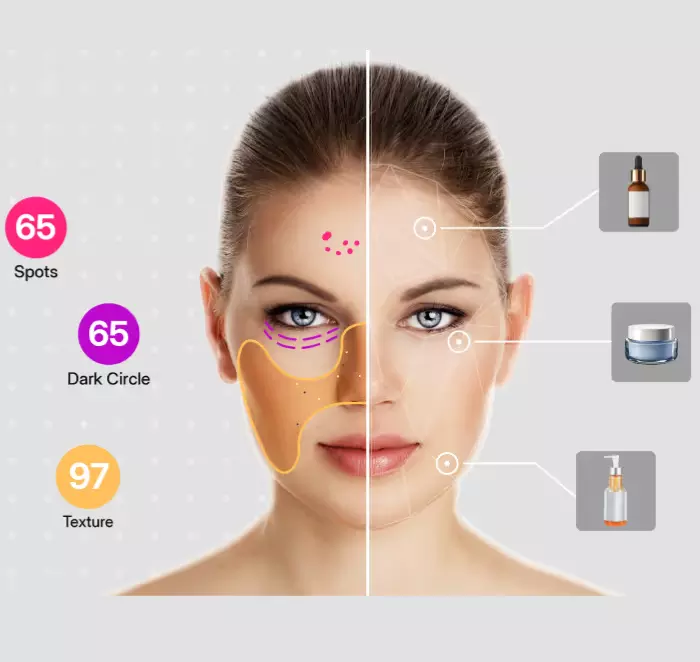
AI skin analysis for hydration captures a clear photo of your customers' faces. Then, the AI studies their images with machine learning. It can detect their skin issues: pigmentation, dark spots, redness, pores, skin hydration, etc. The signs help the AI understand the level of their skin's hydration and give them a hydration score. Also, it provides simple tips and product recommendations based on their skin needs. The process is quick, easy, and does not require any special tools. It helps them understand your skin better with an instant analysis.
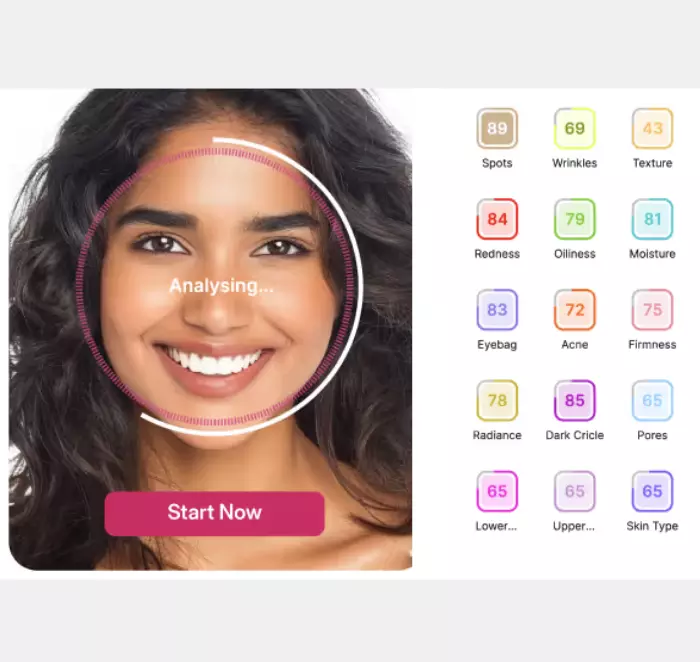
AI skin analysis is quite accurate. It can detect consumers' 14+ skin conditions, including skin hydration. But the accuracy depends on the quality of your customers' cameras and the lighting in their environment. The strength and design of the AI algorithm also play an important role. Using a good camera and bright, even lighting helps them get more reliable results. While AI is helpful and gives quick insights, it should be used as a guide. It cannot fully replace a dermatologist for detailed or complex skin concerns.
AI skin analysis for skin hydration analyzes your customers' skin through their images. It gives them personalized hydration insights. It evaluates their faces and checks for dryness or excess oil. The process is simple and noninvasive. It helps them understand their skin needs. They can get recommendations for the right products, such as moisturizers or oil-control formulas. Also, the analysis helps you track changes in your skin over time. Therefore, it is convenient, quick, and helpful for building a skincare routine that suits your skin type.
The frequency of using AI skin analysis for skin hydration relies on the tool and your customers’ skin needs. On the other hand, some AI tools offer daily checks. They are useful if consumers want real-time tracking or quick updates on their hydration levels. Other tools are meant for less frequent use. Your customers can use them monthly or every 3–6 months. The tools help them understand long-term skin changes. People’s routines may depend on their lifestyles and skin goals. So, they should use daily checks for quick insights. Also, they need to use periodic checks for bigger skincare or wellness decisions. Combining both can give them a clear picture of their hydration health.
Yes, AI skin analysis can detect early signs of dehydration that a person may not notice. It analyzes your customers' facial images or uses sensors to examine your skin. The AI can check small changes in their skin's moisture levels. The system then gives an objective and clear report on your skin’s hydration. This helps you understand your skin better. It also allows you to take action before dehydration becomes more visible. AI makes the process simple, quick, and accurate for early skin care support.
AI skin analysis for skin hydration focuses on measuring moisture levels. It will determine how hydrated your customer’s skin is and if it needs more care. But some advanced AI systems can detect other surface-level skin concerns: oily or dry patches, texture irregularities like roughness or fine lines, redness or inflammation indicating sensitivity, and uneven pigmentation or sun spots. Despite these additional observations, AI hydration analysis has its limitations and cannot diagnose skin diseases like eczema, psoriasis, or infections. It works best as a personalized skincare assistant. It can provide insights for hydration and general skin health. A dermatologist can evaluate any serious skin issues.
AI-based skin analysis for hydration uses selfies or facial images of your customers. It will assess their skin moisture, dryness, and overall condition. Then, the AI maps the results to suitable product types. It may suggest products from your brand catalogs. According to the current skin condition, lifestyle or climate, consumers will get personalized recommendations. But these assessments are visual estimates, not clinical measurements. Its accuracy can vary depending on skin tones and conditions. It helps reduce guesswork. But it should not replace professional dermatological advice.
Discover how AR, VR and 3D can drive revenue growth in 2026
Schedule a call with our team

.avif)