AI skin analysis for skin tone - tailored for beauty brands


AI skin tone analysis

Personalized skincare routine
Skin tone-specific product suggestions
Frequently asked questions
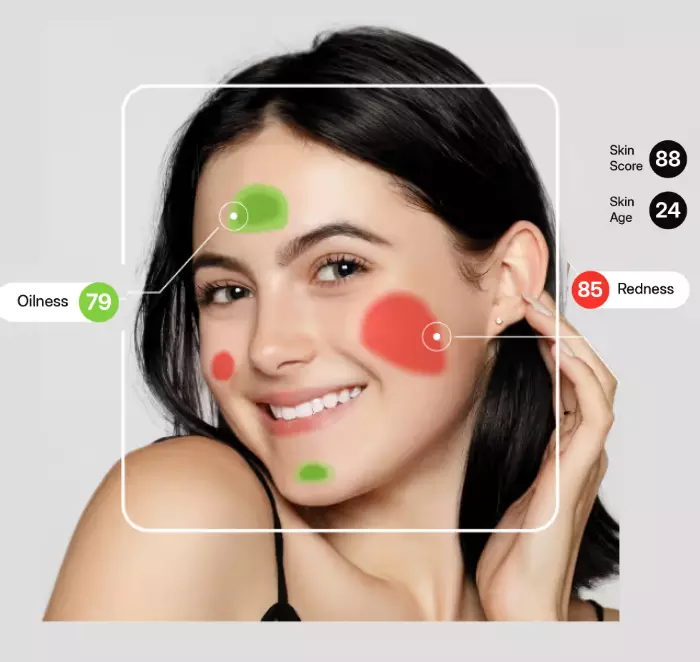
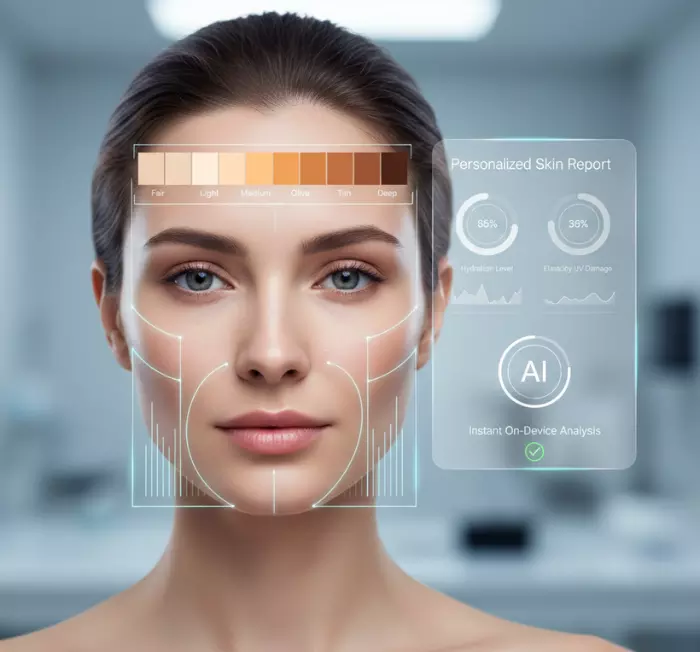
An AI skin analysis for skin tone looks at your customers’ facial images and studies their skin. It can reveal their skin tone, skin type, and skin concerns. The AI compares each image with a large database of many skin types and conditions. It can detect your customers' skin issues: pores, fine lines, wrinkles, pigmentation, etc. Based on the analysis, it offers personalized skincare product recommendations for consumers. It helps your customers understand their skin better. As a result, they can choose products that suit their skin tone well.
AI skin analysis for skin tone captures a clear, high-resolution photo of your customer's face. Then, it will process their images with a deep learning model. The AI studies their different skin issues, such as pigmentation, wrinkles, pores, etc. Finally, it will create a detailed skin report. It includes an overall skin score and identifies their skin types, tones, etc. Also, the AI tool can give personalized recommendations for skincare routines or products. It can help your customers understand their skin better.
Implementing AI skin analysis for skin tone comes with one major issue: data bias. Many datasets do not include enough diverse skin tones. It makes the AI less accurate for some ethnic groups. Another challenge is poor data quality, because photos taken on different devices vary a lot. Also, algorithm limits cause problems, as lighting, shadows, and marks can confuse the model. Sometimes, your customers may worry about their data privacy. Most importantly, AI skin analysis tools cannot always generate fair and reliable results.
Lighting plays a crucial role in AI skin analysis for skin tone. Different lighting can change how your customers' skin color looks in their photos. It can affect the accuracy of the results. Most of the time, natural or even lighting is the best choice. It helps the camera capture their true skin tone. Some AI tools work to fix lighting issues with updates, but they cannot correct everything. The quality of the original image is still very important. Therefore, good lighting conditions can make the analysis reliable. It will help the AI provide accurate recommendations for your customers. So, the use of consistent lighting can enhance the accuracy of AI skin analysis.
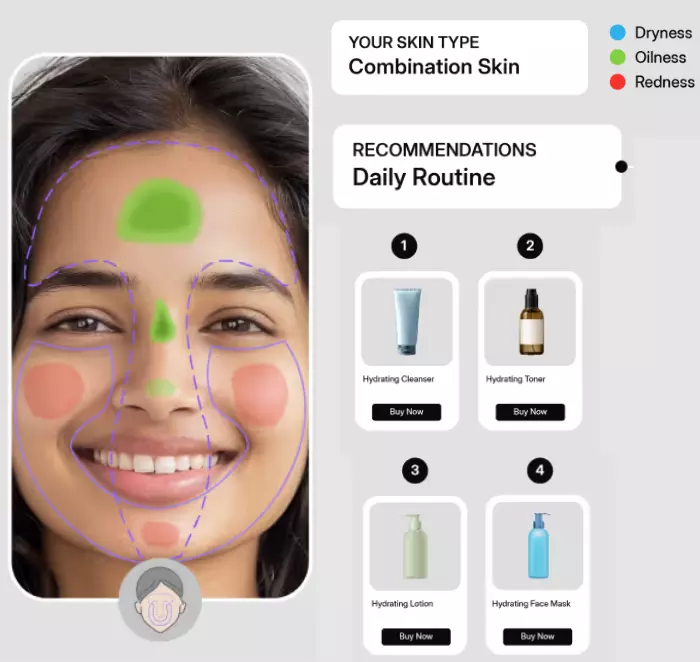
AI skin analysis for skin tone can suggest products based on the skin tones/types of consumers. It can help your customers' skin tones, types, and concerns. The AI uses advanced algorithms to understand their skin needs. It compares their images with a large database of skin types and conditions. According to the analysis report, it can create a personalized skin report for every customer. Then, it will recommend products that match their unique skin concerns and goals. Your product availability or brand catalog affects the depth of recommendations. The process is simple and quick. It helps your customers choose the right skincare items without guesswork. Thus, it makes their skincare routine effective.
Anyone can use AI skin analysis for skin tone. It is helpful for consumers, aestheticians, dermatologists, and beauty brands. Consumers use it to understand their skin better and get personalized product suggestions. Aestheticians and dermatologists use it to save time and make accurate skin evaluations. On the other hand, it helps them create customized skincare plans for their clients. Also, beauty brands use it to offer suitable product recommendations and improve customer experience. As the AI tool can work with a selfie, it will make skin analysis accessible to every consumer.
Discover how AR, VR and 3D can drive revenue growth in 2026
Schedule a call with our team

.avif)