
Myths About 3D Modeling Every Business Should Stop Believing


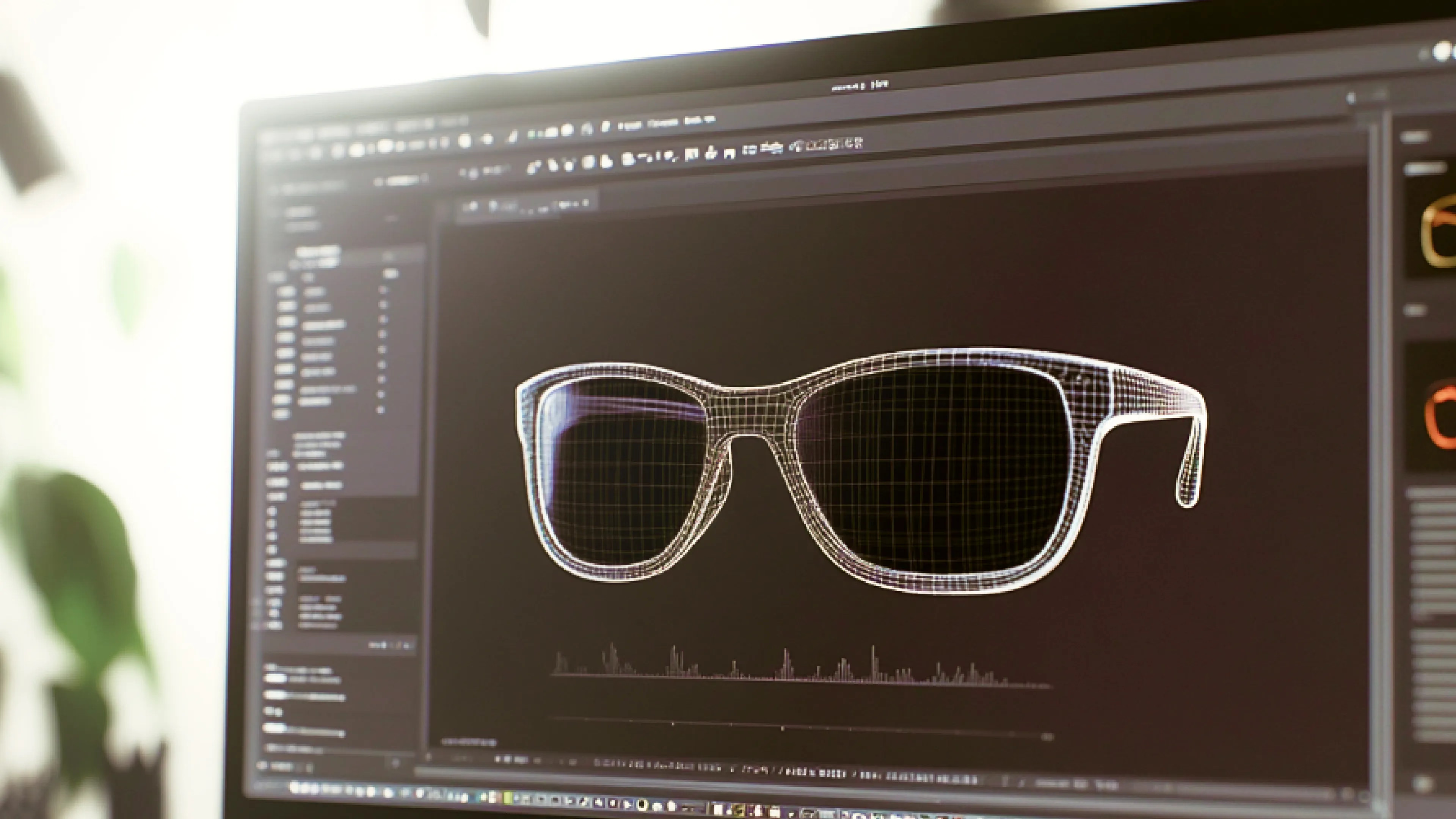
3D modeling has become a transformative tool for industries ranging from e-commerce and gaming to healthcare and construction. Yet, misconceptions about the complexity, cost, and utility of 3D modeling often prevent businesses from fully exploring its potential. This article aims to debunk the most common myths surrounding 3D modeling and provide clarity on its benefits.


Myth 1: 3D Modeling Is Exclusively for Big Budgets and Large Enterprises
Many businesses believe that 3D modeling is a luxury only giant corporations or tech-savvy industries can afford. However, this is far from the truth.
- Reality: Advancements in technology and the availability of affordable 3D modeling tools have leveled the playing field. Small and medium-sized enterprises (SMEs) can now integrate 3D models into their marketing, design, and prototyping processes without breaking the bank. Tools like Blender (free) and affordable services from 3D modeling freelancers make it accessible to any business. Whether you're a startup or a global corporation, 3D modeling can be customized to suit your budget.
Myth 2: 3D Modeling Requires a Physical Object
Businesses often think that creating a 3D model requires having a physical product to scan or replicate.
- Reality: With digital sketches, photos, and reference dimensions, you can create 3D models from scratch. Advanced software and skilled 3D artists can use conceptual designs to build virtual representations, saving time and resources during the product development phase. Example Many furniture companies now use 3D modeling to showcase products before manufacturing, enabling virtual sales and pre-orders.
Myth 3: 3D Models Are Only for Visual Appeal
Some assume 3D models are limited to creating attractive visuals for advertising or websites.
- Reality: Beyond aesthetics, 3D models serve functional purposes such as product testing, virtual reality (VR) integration, and enhanced customer engagement. Industries like healthcare use 3D models for surgical simulations, while automotive companies use them to test designs in virtual environments.
Myth 4: It’s a “One-Size-Fits-All” Solution
Some businesses think 3D modeling tools or approaches are universal and will fit every use case.
- Reality: 3D modeling is highly customizable and depends on the project goals. For instance, creating 3D models for gaming involves different techniques compared to architectural visualization or medical simulations. It’s important to identify your specific needs and choose the right approach.
Myth 5: 3D Modeling Is Too Expensive for Prototyping
Businesses often avoid 3D modeling for prototyping due to perceived high costs.
- Reality: 3D modeling actually reduces costs by allowing virtual testing before physical manufacturing. Companies can make multiple iterations of a product design without incurring expenses for physical materials or production errors. According to a PWC report, businesses that adopt digital prototyping with 3D modeling report a 30% reduction in development costs.
Myth 6: 3D Models Are Limited to Static Images
Many believe that 3D models are limited to simple visuals or renderings.
- Reality: Today’s 3D models can be dynamic and interactive. They can be integrated into augmented reality (AR), virtual reality (VR), or even animated to showcase complex processes. E-commerce stores, for instance, allow users to virtually "try on" products using 3D and AR.
Myth 7: 3D Modeling Is Only for Products, Not Services
Some service-based businesses believe 3D modeling has no relevance to their operations.
- Reality: 3D modeling can enhance service-based offerings by creating immersive training programs, virtual tours, or interactive customer experiences. For example, real estate agencies use 3D walkthroughs of properties to attract clients, while travel agencies create virtual tours of destinations. 3D modeling is as much about storytelling and experience as it is about visualizing products.
Conclusion
Misconceptions about 3D modeling often hinder businesses from exploring its immense potential. By debunking these myths, companies can better understand how 3D modeling offers cost-effective solutions for marketing, product development, and customer engagement.
The reality is that 3D modeling isn’t just a technical tool—it’s a creative, dynamic, and versatile asset that can transform how businesses operate and interact with customers.










