


9 Best Virtual Jewelry Try-On SDKs for E-commerce Brands


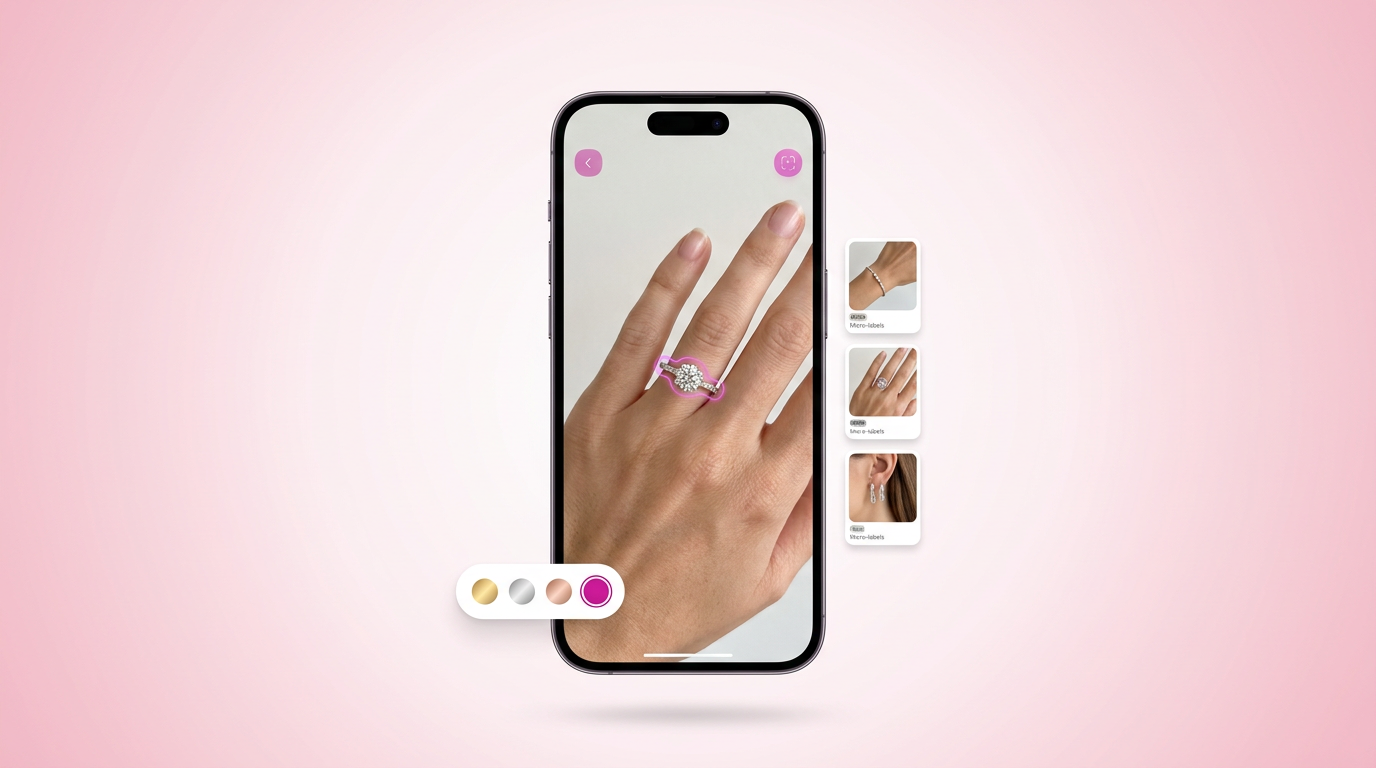
Think about trying on jewelry right from your couch. For online brands, giving customers a virtual jewelry try-on option is becoming a big deal. Since return rates for online buys are pretty high, adding a virtual jewelry try on sdk for e commerce can really boost customer happiness and cut down on returns.
Overview of Virtual Jewelry Try-On Technology
Virtual jewelry try-on tech lets shoppers see how pieces will look on them in real-time using augmented reality (AR). This tech makes a huge difference in online shopping, especially for jewelry, by making everything look more appealing. Here are the key features:
- Real-time Visualization: Instantly shows how jewelry looks, making buyers feel more confident.
- Cross-Platform Integration: Works smoothly on web, mobile, and apps.
- High-Fidelity Rendering: Offers super detailed images that look just like the real thing.
- Customization Options: Lets you tweak the try-on interface to fit your brand's style.
Advancements in AR Technology
Augmented reality has evolved significantly, allowing for more realistic and interactive experiences. The continuous improvement in AR algorithms enhances the accuracy of jewelry placement on various body parts, providing a more personalized experience for users.
Integration with E-commerce Platforms
Integrating virtual try-on technology with popular e-commerce platforms like Shopify can significantly streamline the shopping experience. This integration ensures that customers have a seamless journey from try-on to purchase. For more insights, visit our blog on choosing virtual try-on for jewelry.
The Importance of Virtual Try-On for E-commerce
As more people shop online, e-commerce sites need to offer fun and personalized experiences. Virtual try-on tech really grabs customers' attention and cuts down on returns by showing exactly how a product will look when worn. This helps to make customers happier and more likely to buy. According to Forbes, virtual try-ons can increase customer engagement by 25%.
Enhancing Customer Engagement
Providing a virtual try-on option can significantly enhance customer engagement by allowing them to interact with products in a more immersive way. This engagement can lead to increased time spent on the site and higher conversion rates.
Reducing Return Rates
Accurate product visualization helps customers make informed purchase decisions, which can reduce return rates significantly. According to a report by Statista, the return rate for online purchases is around 30%, but virtual try-ons can help decrease this number.
Benefits and Applications of Virtual Jewelry Try-On SDKs
Adding a virtual jewelry try-on SDK to your e-commerce site comes with lots of perks. GlamAR, for example, enhances the customer experience and reduces return rates, making it a top choice for brands looking to stand out.
- Enhanced Customer Experience: Try-ons make shopping more fun, boosting customer satisfaction.
- Reduced Return Rates: By helping shoppers make informed choices, virtual try-ons mean fewer returns.
- Increased Sales Conversion: Engaging experiences make a purchase more likely.
- Brand Differentiation: Offering advanced virtual try-ons helps your brand stand out.
Several big-name brands have nailed it with virtual try-on tech, improving how they connect with customers. Brands like Pandora and Swarovski have rolled out virtual try-on solutions so customers can see their jewelry collections without actually wearing them. These brands have seen more interest and higher conversion rates.
Boosting Sales Conversion Rates
Virtual try-ons can increase conversion rates by up to 40% (Forrester 2024). This is because customers feel more confident in their purchases when they can visualize the product on themselves.
Success Stories from Leading Brands
Leading brands like Tiffany & Co. have successfully implemented virtual try-on technology, resulting in a 25% increase in online sales (McKinsey 2024). This success highlights the potential of virtual try-ons to drive revenue growth.
Common Mistakes When Implementing Try-On SDKs
Virtual try-on SDKs are awesome, but brands often mess up when implementing them:
- Poor Integration: Not making sure it fits well with current e-commerce platforms can mess up the user experience.
- Lack of Customization: Not aligning the interface with your brand identity can hurt engagement.
- Underestimating Cost: Ignoring long-term costs might blow the budget.
- Ignoring User Feedback: Not updating based on feedback might lead to features that people don't actually want.
Neglecting User Experience
Ignoring the importance of user experience can lead to a clunky and unappealing interface. It's crucial to design an intuitive and engaging interface to keep users interested.
Overlooking Technical Challenges
Technical challenges such as latency and rendering issues can hinder the performance of virtual try-ons. Brands need to address these challenges to ensure a smooth and seamless experience for users.
Top 9 Virtual Jewelry Try-On SDKs for E-commerce Brands
- GlamAR
- Best For: Luxury jewelry brands
- Standout Features: High-fidelity AR, cross-platform integration
- Kivisense
- Best For: Beauty and fashion brands
- Standout Features: AI and AR try-on, skin analysis
- Camweara
- Best For: Real-time AR experiences
- Standout Features: Lightweight SDK, accurate PD detection
- Modiface
- Best For: Large-scale e-commerce platforms
- Standout Features: Extensive customization, face tracking
- YouCam Makeup
- Best For: Beauty and jewelry brands
- Standout Features: AR-based try-on, integrative makeup and jewelry trials
Evaluating the Best SDKs
When evaluating SDKs, consider factors such as ease of integration, customization options, and support services. These factors can significantly impact the success of your virtual try-on implementation. For more detailed comparisons, check out our blog on AR ring try-on software SDK.
Comparing Features and Pricing
It's essential to compare the features and pricing of different SDKs to find the best fit for your brand. Some SDKs offer more advanced features at a higher cost, while others provide basic functionality at a lower price. Our blog on best virtual try-on for e-commerces provides further insights.
Industry-Specific Use Cases for Virtual Try-Ons
Virtual jewelry try-on tech isn't just for jewelry. Lots of industries are using it to boost how they engage with customers:
- Beauty: Combining makeup and jewelry try-ons for a full look.
- Fashion: Offering outfit previews by mixing clothes and jewelry try-ons.
- Eyewear: Letting people try glasses and accessories together.
- Furniture: Using AR to show home decor along with jewelry.
- Automotive: Creating visualizations for in-car accessories.
Expanding into New Markets
Virtual try-on technology is expanding into new markets such as home decor and automotive accessories. This expansion opens up new opportunities for brands to engage with customers in innovative ways.
Innovative Applications Across Industries
Industries such as fashion and beauty are using virtual try-ons to offer complete looks, allowing customers to visualize how different products work together. This approach enhances the overall shopping experience.
How to Choose the Right SDK for Your Brand
Picking the right virtual jewelry try-on SDK means thinking about a few important things:
- Integration Capability: Make sure the SDK works smoothly with your current systems for a seamless user experience.
- Customization Options: Find SDKs that let you customize to match your brand's look.
- Cost: Check out the licensing costs against your budget to avoid issues.
- User Experience: Go for SDKs that offer a smooth and fun try-on experience.
Assessing Your Brand's Needs
Before choosing an SDK, assess your brand's specific needs and objectives. Consider factors such as target audience, budget, and desired features to make an informed decision.
Evaluating Vendor Support
Vendor support is crucial for successful SDK implementation. Ensure that the vendor provides comprehensive support services, including technical assistance and regular updates.
How GlamAR's Solution Helps Virtual Jewelry Try-On
GlamAR is known for its top-notch solution for brands wanting to use virtual try-ons. With its high-fidelity AR and cross-platform compatibility, it ensures a smooth experience, cutting down return rates while making customers happier. GlamAR lets brands offer a premium, engaging shopping experience. Learn more about GlamAR's solutions.
Customization and Flexibility
GlamAR offers extensive customization options, allowing brands to tailor the virtual try-on experience to their specific needs. This flexibility ensures that the solution aligns with the brand's identity and objectives.
Proven Success in the Market
GlamAR has a proven track record of success in the market, with numerous brands experiencing significant improvements in customer engagement and sales conversion rates.
Future Trends in Virtual Try-On Technology
As technology advances, the future of virtual try-on looks promising. Emerging trends include:
- AI Integration: Utilizing AI to offer more personalized recommendations based on user preferences.
- Enhanced AR Capabilities: Improving the realism and interactivity of virtual try-ons.
- Broader Industry Adoption: Expanding into more industries beyond fashion and beauty.
- Increased Mobile Optimization: Enhancing mobile experiences to reach a wider audience.
Potential for Growth
The virtual try-on market is expected to grow significantly, with more brands adopting this technology to enhance customer experiences and drive sales. According to Statista, the market is projected to expand by 20% annually over the next five years.
Impact on E-commerce
The integration of virtual try-on technology is set to revolutionize e-commerce by providing more engaging and personalized shopping experiences. This shift will likely lead to increased customer satisfaction and higher conversion rates.
Implementation Steps for Virtual Try-On SDKs
Implementing a virtual try-on SDK involves several key steps:
- Research and Selection: Conduct thorough research to select the most suitable SDK for your brand.
- Integration Planning: Develop a comprehensive integration plan to ensure smooth implementation.
- Testing and Feedback: Conduct extensive testing and gather user feedback to refine the experience.
- Launch and Monitor: Launch the virtual try-on feature and monitor its performance to ensure success.
Ensuring a Smooth Launch
A smooth launch requires careful planning and execution. Ensure that all team members are aligned with the implementation plan and that any potential issues are addressed promptly.
Post-Launch Optimization
After launching the virtual try-on feature, continuously optimize the experience based on user feedback and performance metrics. This optimization will help maintain a high level of user satisfaction and engagement.
Conclusion
Adding a virtual jewelry try on sdk for e commerce can completely change how customers connect with your brand. By offering a more interactive and personalized shopping experience, brands can really cut down on return rates and boost sales. Check out our blog on augmented reality jewellery for more insights and see how our solutions can improve your brand's online presence.
GlamAR stands out as an ideal choice for luxury jewelry brands. It offers high-fidelity AR rendering and seamless cross-platform integration, ensuring a premium shopping experience. Additionally, GlamAR's solutions are customizable, allowing brands to tailor the experience to their specific needs, enhancing customer satisfaction and loyalty.
Yes, virtual try-on technology helps reduce return rates by providing accurate previews of jewelry, leading to more informed purchase decisions and increased customer satisfaction. According to Forrester, brands using virtual try-ons have seen a reduction in return rates by up to 30%, making it a valuable tool for e-commerce platforms.
GlamAR offers a comprehensive virtual try-on SDK that enhances customer engagement, reduces return rates, and increases sales conversion through high-fidelity AR experiences. Its customizable features allow brands to align the virtual try-on experience with their identity, making it a preferred choice for many e-commerce platforms.
Key features include real-time visualization, cross-platform integration, high-fidelity rendering, and customization options tailored to brand aesthetics. These features ensure that customers have a seamless and engaging shopping experience, leading to increased satisfaction and higher conversion rates.
Industries such as beauty, fashion, eyewear, furniture, and automotive have embraced virtual try-on technology to enhance customer interaction and product visualization. These industries use virtual try-ons to provide complete looks, helping customers visualize how products work together, thus improving the overall shopping experience.
Consider integration capability, customization options, cost, and user experience when choosing a virtual jewelry try-on SDK that fits your brand's needs. Assess your specific objectives and evaluate vendor support to ensure a successful implementation that aligns with your brand's goals.
Discover how AR, VR and 3D can drive revenue growth in 2026
Schedule a call with our team

.avif)