
How AI Skin Analysis Boosts Sales for D2C Beauty Brands


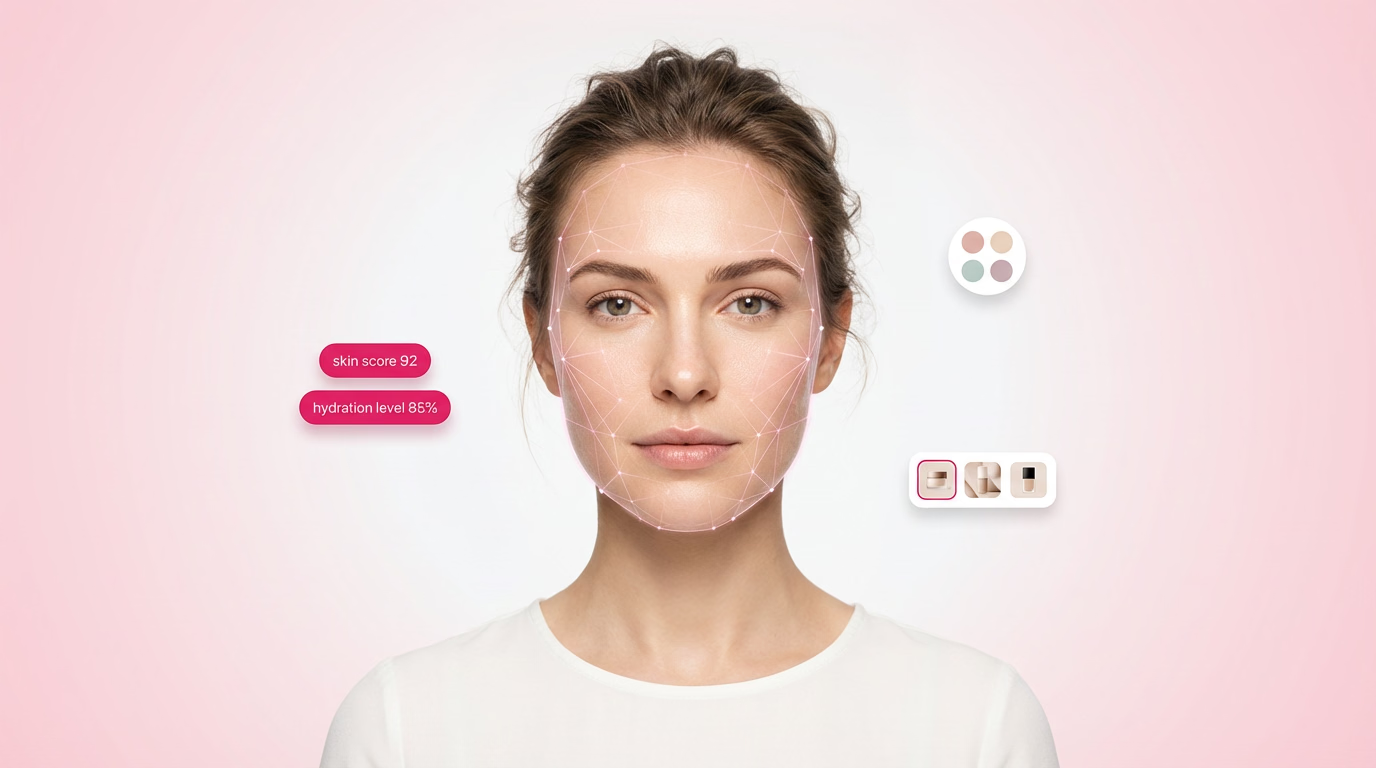
AI skin analysis tools are changing the game for D2C beauty brands, helping them connect with customers through personalized skincare solutions. This tech doesn't just make customers happier, it also boosts conversion rates, which is super important for any direct-to-consumer brand.
Top AI Skin Analysis Providers
Picking the right AI skin analysis provider is key to getting the most out of customer interaction and conversion rates. Take a look at some of the top players in this field: See our complete guide on AI Skin Analysis for Ecommerce: A Practical Guide for a deeper dive. See our complete guide on Why Every Beauty Brand Needs an AI Skin Analysis Feature for a deeper dive.
- GlamAR
- Best for: Full skin concern detection
- Standout features: AI and AR integration, real-time skin analysis
- Revieve
- Best for: Personalized skincare recommendations
- Standout features: Skin diagnostic tools, interactive questionnaires
- Perfect Corp
- Best for: Augmented reality makeup try-ons
- Standout features: AI makeup simulation, skin tone matching
- ModiFace
- Best for: Virtual beauty consultations
- Standout features: Real-time virtual trials, AI skin scoring
Understanding AI Skin Analysis and Its Benefits
AI skin analysis uses artificial intelligence to check out skin conditions and suggest personalized skincare routines. This cool tech leans on machine learning to crunch data. But brands need to watch out for some common pitfalls:
- Over-reliance on Technology: AI is great, but human smarts are needed to interpret results properly.
- Neglecting Data Privacy: If you don't focus on data security, you could lose customer trust and face compliance issues.
- Ignoring User Experience: A clunky interface can turn off users, making the tool less effective.
Industries and Use Cases for AI Skin Analysis
AI skin analysis isn't just for beauty brands. Different industries can use this tech to enhance customer interaction too:
- Beauty and Skincare: Personalized product suggestions lead to better sales and happier customers.
- Fashion Retail: Boost buyer confidence with virtual try-ons and skin tone matching.
- Health and Wellness: Offers insights into skin health, helping folks develop better care routines and buy the right products.
- Telemedicine: Allows remote diagnosis and skincare consultations, making expert advice more accessible.
Selecting the Right AI Skin Analysis Tool
Picking the right AI skin analysis tool is crucial for getting the most benefit for your brand. Here are some tips to help you choose:
- Integration Capabilities: Make sure the tool meshes well with your current systems to keep things smooth.
- Data Security: Go for tools with strong privacy protections to keep customer data safe.
- User Interaction Features: Choose tools that offer engaging features to make the experience better for users.
- Scalability: Think about future growth and pick a solution that can grow with your brand's needs.
- Customer Support: Look for providers that offer great support to help with any setup or operational issues.
How GlamAR's AI Skin Analysis Boosts Sales
GlamAR's AI Skin Analysis tool jazzes up the shopping experience by giving personalized skincare recommendations. By adding this tool, brands can offer tailored solutions that boost customer happiness and conversion rates. With real-time analysis and AR integration, GlamAR shines as a leader in AI skin analysis, helping brands give top-notch customer experiences. See our complete guide on How AI Analyzes Skin for Acne: A Deep Dive for a deeper dive.
Want to know more about how GlamAR can revamp your brand? Check out our Product Visualization solutions.
Brands Leveraging AI Skin Analysis
A bunch of leading brands are getting on board with AI skin analysis to shake up their business models. Companies like Sephora and L'Oreal have nailed it by using these tools to boost customer engagement and conversion rates. By tapping into AI tech, these brands are setting a new bar in the beauty world, showing how effective personalized customer experiences can be.
Another one to mention is Neutrogena, which uses AI skin analysis to provide custom skincare products, showing their dedication to innovation in beauty tech.
Conclusion
AI skin analysis is a game-changer for D2C beauty brands looking to up their conversion rates and improve customer interaction. By offering tailored solutions, brands can cut down on return rates and build customer loyalty. Bringing AI into skincare not only meets the demand for personalization but also helps a brand stand out in a crowded market.
Want to dive deeper into AI skin analysis? Check out GlamAR's insights on improving conversion rates. Ready to take your customer experience to the next level? Discover how GlamAR can help your brand soar.










