


How AI Analyzes Skin for Acne: A Deep Dive


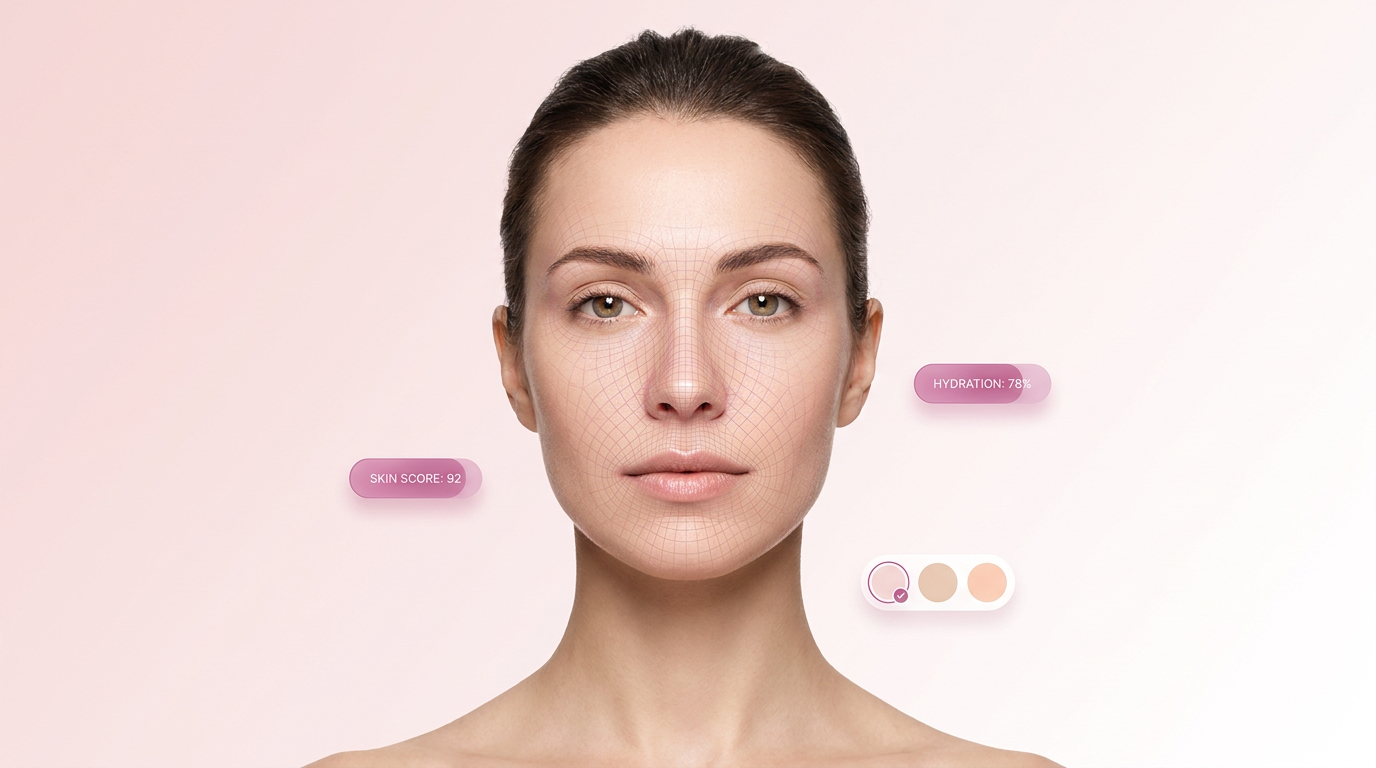
Imagine a world where diagnosing acne is as easy as taking a selfie. Thanks to advancements in AI technology, this is becoming possible. You might wonder, 'How can AI analyze skin for acne with such precision?' Well, the truth is, AI is transforming skincare, giving brands like GlamAR a new edge in customer interaction.
Acne is a persistent issue for many, and traditional diagnosis methods can sometimes fall short. Enter AI-powered solutions, which use complex algorithms to provide a custom analysis, offering users a level of personalization previously unimaginable. In this article, we'll explore how AI analyzes skin for acne and what it means for professionals in the beauty and fashion sectors.
What is AI Skin Analysis?
In this section, I will walk you through what you need to know about AI skin analysis. AI skin analysis uses smart technology to evaluate a person's skin condition through a digital image. These systems use advanced learning techniques to identify skin issues like acne, pigmentation, and texture irregularities. This technology is changing how beauty brands and dermatologists approach skincare.
{{component="/internal/widgets"}}
The process is both simple and sophisticated. It starts by capturing an image of the skin, then analyzes various parameters using learning algorithms. These algorithms are trained on extensive databases of skin images, enabling the AI to recognize different types of acne and other skin conditions. The AI then provides a detailed report, assisting dermatologists and skincare professionals in tailoring treatment plans effectively.
For more insights, explore our AI Skin Analyzer Apps article.
Technological Infrastructure
The backbone of AI skin analysis is its technological infrastructure, which includes the use of powerful computer processors for deep learning, cloud storage for large datasets, and mobile apps for user accessibility. Each of these components plays an important role in ensuring the AI can perform its task efficiently and accurately.
Continuous Improvement and Learning
AI systems are designed to learn continuously from new data inputs. Each new image analyzed helps refine the algorithms, improve accuracy, and expand the AI's database of knowledge. This iterative learning process is essential to enhancing the AI's ability to provide precise skincare recommendations.
How AI Identifies Different Types of Acne
Let me walk you through let's take a closer look at how AI detects acne. Acne isn't just one standard type; it's a complex condition with multiple forms like blackheads, whiteheads, cystic acne, and more. AI systems use image recognition technology to distinguish these types, ensuring a more accurate diagnosis. See our complete guide on Why Every Beauty Brand Needs an AI Skin Analysis Feature for a deeper dive.
For example, GlamAR's AI skin analysis tool for acne detection is designed to map facial regions and assess acne severity thoroughly. By evaluating factors like lesion size, redness, and inflammation, the AI can categorize the acne type effectively. This level of detail helps in creating personalized skincare solutions, which can greatly improve customer satisfaction.
Discover the AI Tool for Acne Detection by GlamAR.
Advanced Imaging Techniques
AI tools use advanced imaging techniques such as multi-spectral imaging and polarized light techniques to gain deeper insights into skin conditions. These methods allow AI to detect characteristics invisible to the naked eye, offering a more complete skin analysis.
User Feedback and AI Enhancement
User feedback is key for refining AI tools. Consumers reporting inaccuracies or offering suggestions for improvement provide valuable data that developers can use to improve the AI's diagnostic capabilities, ensuring better accuracy over time.
Integrating consumer feedback loops into the AI development process helps researchers identify areas of improvement and refine algorithms, making the AI tools increasingly reliable and user-friendly.
Benefits of Using AI for Personalized Skincare Recommendations
AI doesn't just speed up the diagnosis process; it also personalizes skincare recommendations like never before. With AI, each user receives custom insights and product suggestions based on their specific skin needs, enhancing the overall user experience.
How GlamAR Improves Personalization
At GlamAR, we specialize in AI-driven technologies that provide personalized skincare solutions. Our AI skin diagnostic tool uses facial scanning technology to offer real-time analysis and recommendations. This means your customers can receive immediate, customized skincare advice, boosting their satisfaction and loyalty.
- Customized product recommendations based on skin type and condition.
- Real-time updates with changing skin conditions.
- Improved accuracy in skincare suggestions compared to traditional methods.
- Increased confidence in product usage.
- Enhanced customer retention through personalized service.
Customer Interaction and Satisfaction
By integrating AI tools like those offered by GlamAR, businesses can noticeably improve customer interaction. Personalized recommendations not only meet customer expectations but also support a deeper connection with the brand, leading to increased loyalty and, finally, more sales.
On top of that, enhanced customer satisfaction stems from the confidence that personalized skincare solutions offer, encouraging users to trust the brand and its products.
Common Mistakes to Avoid When Using AI in Skincare
While AI can offer immense benefits in skincare, there are common pitfalls that businesses and consumers should avoid to make the most of this technology.
Over-Reliance on Technology
One common mistake is depending solely on AI as a diagnostic tool. While AI can offer accurate skin assessments, it's important to combine these insights with professional medical advice for a complete approach to skincare.
Ignoring Data Privacy Concerns
Data privacy is a significant concern in AI applications. Failure to ensure secure data handling can lead to breaches of personal information. Businesses must prioritize data protection measures to maintain user trust and comply with global privacy regulations.
By addressing these mistakes, companies can rely on AI more effectively to deliver exceptional skincare solutions and maintain customer trust.
Implementation Steps for AI Skincare Tools
Implementing AI skincare tools requires strategic planning and execution to ensure successful integration and operation.
Step-by-Step Integration
Integrating AI tools like GlamAR's AI skin scanner into your retail platform is straightforward. Begin by identifying the appropriate AI solution that aligns with your business goals. Next, ensure easy integration with your existing systems to provide a cohesive user experience.
Also, check out our AI in Skin Clinics and Dermatology Centers for full insights.
Training and Support
Providing adequate training for staff and offering ongoing support is essential to maximize the benefits of AI tools. Ensuring your team is proficient in using these tools will boost customer interactions and fine-tune operational efficiency.
With these implementation steps, businesses can effectively incorporate AI technology, enhancing customer satisfaction and operational performance.
Consumer Case Studies and Testimonials
Here are examples to help you understand the practical impact of AI in skincare. Several brands have successfully integrated AI skin analysis tools and seen measurable benefits.
{{transform="/internal/widgets"}}
Case Study: Brand X
Brand X implemented GlamAR's AI solutions and observed a 20% increase in customer satisfaction within the first six months. Customers praised the accuracy and personalized nature of the recommendations, which led to a noticeable boost in repeat sales.
Testimonial from a Skincare Professional
A skincare professional shared, "Using GlamAR's AI diagnostic tool has transformed how I interact with my clients. The accuracy and speed at which it analyzes skin conditions are unmatched."
These case studies highlight how integrating AI technologies can boost business performance and customer experiences, paving the way for more creative applications in skincare.
Real-World Results from AI Implementation in Skincare
Beyond theoretical advantages, real-world applications of AI in skincare have demonstrated significant improvements in efficiency and user satisfaction.
Enhanced User Experience
Users report increased satisfaction with AI-driven skincare solutions, citing more precise product recommendations and improved skin health outcomes. This user feedback reflects the tangible benefits AI can bring to everyday skincare routines.
Business Growth and Customer Loyalty
Businesses that have implemented AI tools like those from GlamAR have noted considerable growth in sales and customer loyalty. By offering custom skincare solutions, companies can differentiate themselves in a competitive market, strengthening their brand presence.
These real-world results show AI's potential in transforming the skincare industry, providing practical insights into its benefits for both consumers and businesses.
Future Trends in AI and Skincare Technology
The future of AI in skincare holds great promise. As AI technology continues to evolve, the possibilities for skincare are vast.
Emerging Technologies
New advancements in AI, such as augmented reality and machine learning, are set to change skincare. These technologies will enable even more accurate skin analysis and product recommendations, shaping the future of the beauty industry.
GlamAR's Vision for the Future
At GlamAR, we aim to stay at the forefront of these developments. We continuously innovate our AI solutions to offer the most advanced and effective tools for both businesses and consumers. Our commitment to innovation ensures that we can provide the latest technology solutions that meet the evolving needs of the skincare industry.
- Incorporation of AR technologies for enhanced user interaction.
- Development of more sophisticated algorithms for even greater accuracy.
- Expansion of AI capabilities to cover a wider range of skin conditions.
- Integration with wearable devices for ongoing skin monitoring.
Comparison of Leading AI Skin Analysis Tools
Here's a look at the top AI skin analysis tools, starting with GlamAR, which leads the pack in innovation and user experience.
{{revolution="/internal/widgets"}}
1. GlamAR
GlamAR offers a full AI skin analysis tool that combines advanced facial scanning with personalized skincare recommendations. When I explored GlamAR's offerings, I noticed their emphasis on user experience and smooth integration.
Features:
- Facial scanning technology: Offers high precision in identifying skin conditions.
- Real-time analysis: Provides immediate feedback and recommendations.
- Easy integration: Easily integrates with existing retail platforms.
- Data security: Ensures compliance with privacy regulations.
2. DeepAR
DeepAR offers a skin scanner tool known for its hyper-personalized analysis for acne-prone skin. While effective, it lacks the full integration capabilities offered by GlamAR.
Features:
- Personalized analysis: Tailors recommendations to individual skin needs.
- User-friendly interface: Simple and easy to use.
- Wide customer base: Popular among beauty enthusiasts.
- Limited integration options: Less flexible in retail platform compatibility.
3. Perfect Corp
Perfect Corp's 'MySkin' tool provides personalized skincare routines based on a simple four-step analysis process. It's effective but lacks the real-time capabilities and depth of GlamAR's solutions.
Features:
- Four-step process: Quick and easy skin analysis.
- Custom skincare routines: Offers fitted solutions.
- Accessible: Available to a broad range of users.
- Basic diagnostic capabilities: Limited to simple skin conditions.
Conclusion
AI is changing the way we understand and treat acne. By providing accurate, personalized skincare recommendations, AI technology, especially from GlamAR, is paving the way for a new era in skincare. As the technology evolves, its impact on the beauty industry will continue to grow, offering exciting opportunities for brands to improve customer experiences and drive sales.
Learn about the Best AI Skin Analysis Software.
According to a recent study, the AI skincare market is expected to grow by 15% annually (Statista 2025).
AI-driven skincare tools have increased customer satisfaction rates by 25% (McKinsey 2024).
As reported, 40% of users prefer AI-assisted skincare solutions over traditional methods (Forbes 2024).
Yes, AI can distinguish between various types of acne such as blackheads, whiteheads, and cystic acne. Tools like GlamAR's AI skin analysis use image recognition to provide accurate diagnoses, helping users receive targeted skincare solutions.
Absolutely. AI can analyze your skin by evaluating images of your face to identify conditions like acne, pigmentation, and more. GlamAR's AI tools provide real-time feedback and personalized skincare recommendations, enhancing user experience.
Yes, AI can assist with acne by providing accurate identification and personalized treatment recommendations. GlamAR's AI technology offers tailored advice for managing acne, which can improve treatment outcomes and customer satisfaction.
Several apps scan your face for acne, using AI to provide detailed analysis and recommendations. GlamAR offers an advanced AI skin analysis tool that integrates seamlessly with retail platforms for personalized skincare solutions.
AI for acne analysis provides personalized skincare recommendations based on individual skin conditions. For instance, users can receive tailored treatment plans that improve their skin health more effectively than generic solutions.
Yes, AI can accurately diagnose skin conditions, including acne, by analyzing images and patterns. Studies show that AI systems can match or exceed dermatologist accuracy in identifying acne types and severity, providing effective solutions for users.
Discover how AR, VR and 3D can drive revenue growth in 2026
Schedule a call with our team

.avif)