AI skin analysis market


Smart facial diagnostics

.gif)
Instant scan experience
Actionable beauty insights
Frequently asked questions
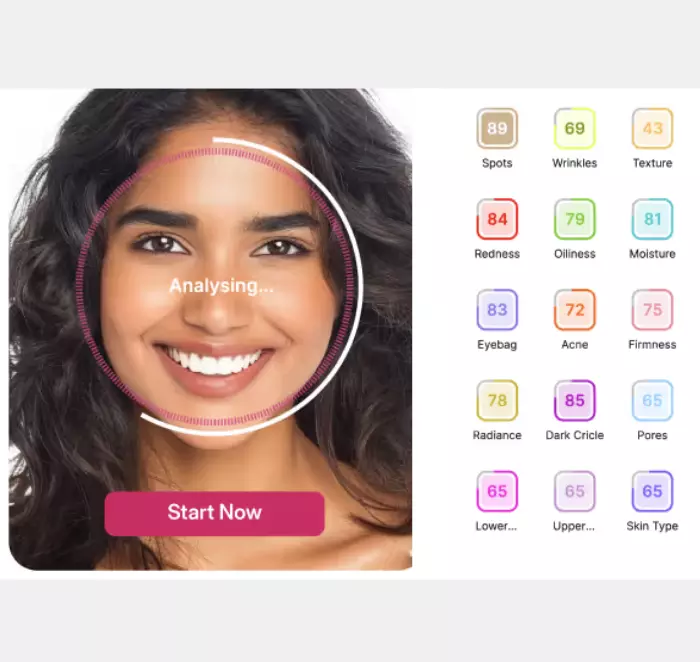
The AI skin analysis market uses computer vision and machine learning to scan a face using a photo or a live camera and check the state of the skin. The system examines observable features like texture, pores, fine lines, blemishes, pigmentation, redness, and balance of tone. These characteristics are translated to mark out or define such terms as oily T-zone, uneven tone or skin dehydration. In the case of skincare brands, it can serve as the means to provide instant, data-driven skin information for cosmetics purposes.
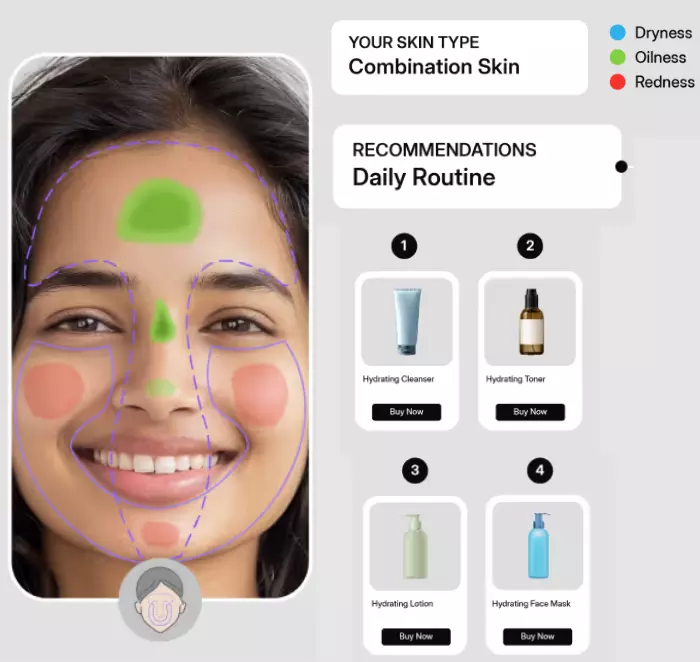
Image capture, typically of a smartphone camera or webcam, is the beginning of the process. The AI will then identify the face and match and divide it into areas (forehead, cheeks, nose, chin, eye area). Algorithms within each zone individually determine contrast, color distribution, edge patterns, and micro-texture to detect problems such as dark spots, wrinkles, enlarged pores or dryness. They are compared to labeled skin dataset patterns that are trained. Lastly, the system produces an organized output: scores, labels, risk indicators or next step recommendations. All this can take just seconds for the user.
AI skin analysis is not a substitute for a dermatologist, but it can be quite surprising how consistent it is in superficial observation. The correctness relies on a variety of factors: the quality of the training data, the range of skin colors and conditions within the dataset, as well as the quality of the image offered by the user. The systems that have been trained adequately will be able to warn about visible imperfections such as uneven skin tones, acne, or patterns of dryness spots. They are, however, not able to detect medical conditions behind the skin or diagnose them. The AI skin analysis is mainly used for a cosmetic purpose.
Bias may happen when the model itself was being trained on the example of a small subset of individuals, such as predominantly light skin color or a distinct age group. In that instance, it may be too sensitive when it comes to identifying issues on darker skin or lack sensitivity to some conditions. Conscientious vendors are currently attempting to contain this with the assistance of varied image sets that integrate across ethnicity, gender, age, and skin type. They also perform fairness checks to check on areas where the model is performing poorly and make changes. Nonetheless, results should be seen as guidance rather than truth, and the brands must be straightforward about restrictions when conducting business across more than one region.
An AI skin analysis provider that takes the issue seriously will consider facial images as biometric data, which is sensitive. Best practice involves encrypting every transfer of images (HTTPS/TLS), anonymizing stored images, and removing photos after a brief and well-specified retention time. Others do not require processing on the device, meaning that the picture does not exist on the phone of the user, and this is perfect in terms of privacy. In the case of cloud-based systems, the vendors are supposed to own transparent privacy policies, a data processing agreement, and adherence to regulations such as GDPR. Companies that incorporate these tools ought to inquire about the location of data storage, its duration, usage to create future models, and whether your users can request destruction.
The most evident one is beauty and skincare, where the brands, using AI skin analysis, can suggest cleansers, serums, and sunscreens or treatments depending on the scan of the user. It can be implemented in wellness and spa businesses by using it in the check-in flows, so that it is possible to customize facials and routine plans. It is employed to generate interactive quizzes and lead magnets by content and e-commerce platforms. Marketing teams in particular can also benefit since scan data anonymity can still reveal the most popular skin issues in a certain area or among a particular demographic.
Discover how AR, VR and 3D can drive revenue growth in 2026
Schedule a call with our team

.avif)