


Software de visualização de produtos 3D: como ajuda as empresas a reduzir as taxas de retorno


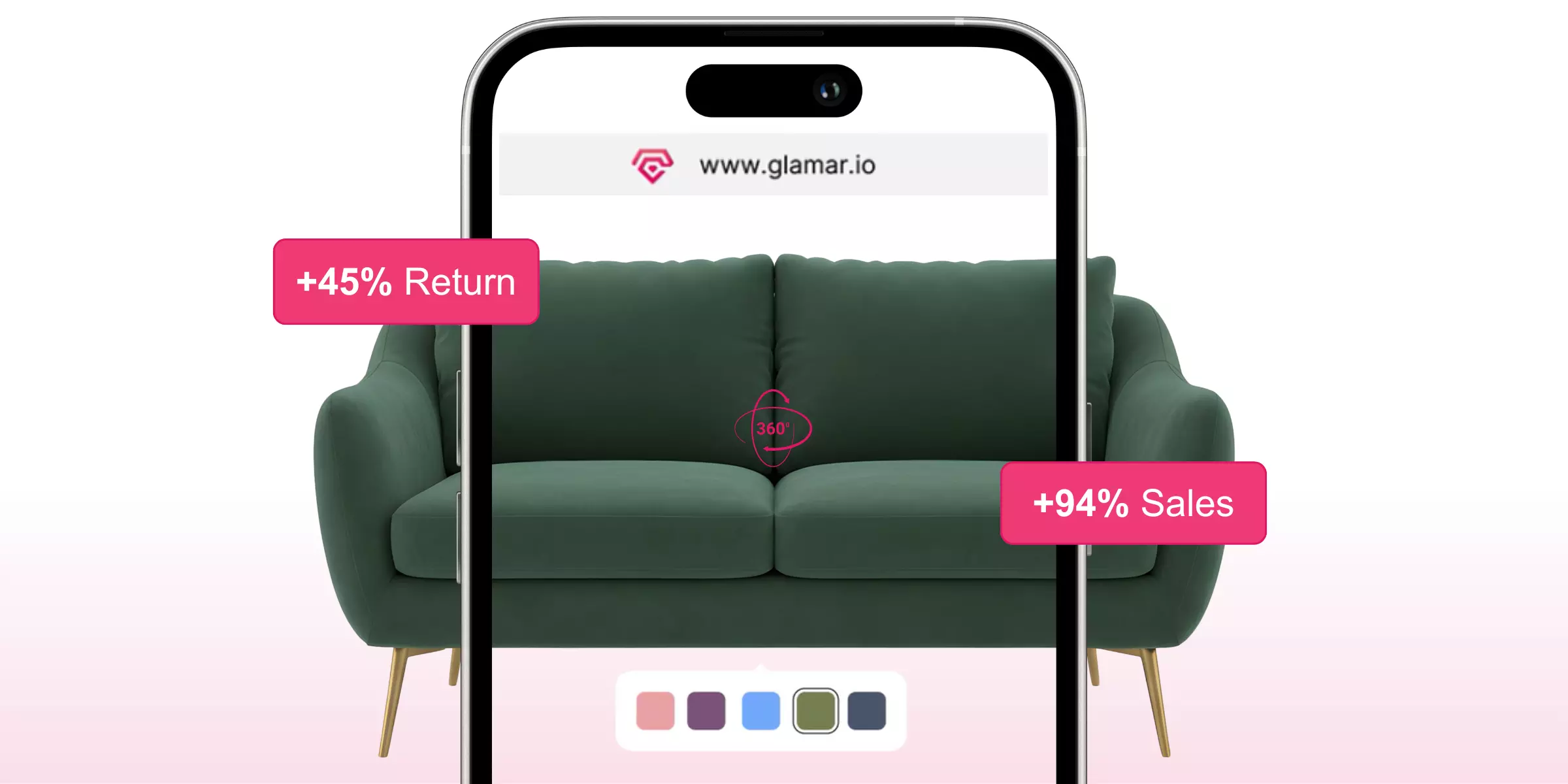
O Software de visualização de produtos 3D é uma necessidade da indústria de comércio eletrónico de hoje porque ajuda empresas e marcas a fornecer aos seus clientes uma experiência de compra realista e interativa, permitindo-lhes explorar produtos usando recursos como zoom, rotação e rotação. Com as suas múltiplas vantagens e crescente utilização, o global Mercado de software de renderização e visualização 3D o tamanho foi avaliado em 2,27 mil milhões de dólares em 2022 e projecta-se que cresça de 2,69 mil milhões de dólares em 2023 para 9,58 mil milhões de dólares em 2030, exibindo um CAGR de 19,9%.
Ajuda as empresas de várias maneiras, oferecendo-lhes várias vantagens, tais como conversões mais elevadas, maior envolvimento, experiência melhorada e retornos reduzidos, o que pode ser conseguido ajudando os utilizadores a selecionar o produto mais adequado de acordo com as suas escolhas e necessidades com a ajuda de modelos 3D e renderização.
Desde a utilização Software de visualização de produtos 3D ajuda as empresas de várias maneiras para vários setores, alguma vez se perguntou como isso ajuda as empresas a reduzir as suas taxas de retorno de produtos? Se não, estou aqui para o ajudar a compreender como o uso de software de visualização de produtos 3D ajuda as empresas e os vendedores online a construir relações mais fortes com os seus clientes.

O que é uma visualização de produto 3D e quais são as suas principais características?
A visualização de produtos 3D é um software online que ajuda as empresas a fornecer aos seus clientes uma visualização interativa e realista de vários produtos através da utilização de modelos digitais 3D, ajudando-os a preencher a lacuna entre as experiências de compra online e offline. Com a ajuda do software de visualização de produtos 3D, as marcas online e os vendedores podem fornecer aos seus clientes funcionalidades envolventes, como girar, ampliar e girar, o que lhes permitirá visualizar produtos de diferentes ângulos e perspectivas.
Também proporciona aos utilizadores uma experiência de compra personalizada, permitindo-lhes personalizar as suas funcionalidades, tais como cor, textura, tamanho e design, de acordo com as suas escolhas e preferências, permitindo-lhes ver o produto no seu próprio espaço com a ajuda da tecnologia de realidade aumentada. Também ajuda as empresas a aumentar a sua taxa de envolvimento dos utilizadores e reduzir a taxa de retorno do produto, diminuindo a incerteza entre os seus clientes e oferecendo-lhes uma experiência interativa com a ajuda de modelos 3D em comparação com imagens estáticas.
Principais características
- Visualizador interativo: Fornece aos utilizadores funcionalidades envolventes, incluindo rotação, zoom e rotação, ajudando-os a explorar produtos de diferentes ângulos e perspectivas, proporcionando-lhes uma experiência de compra pessoal.
- Personalização do produto: Permite aos utilizadores personalizar produtos alterando cores, materiais e texturas ou fornecendo-lhes a facilidade de adicionar funcionalidades em tempo real, de acordo com as suas necessidades e preferências, oferecendo-lhes uma experiência personalizada.
- Realidade Aumentada: Fornece aos utilizadores a capacidade de ter uma pré-visualização do produto em ambientes reais, permitindo-lhes colocar virtualmente o produto no seu próprio ambiente usando a câmara do dispositivo, o que os ajudará a avaliar a escala e a compreender o ajuste.
- Fotorrealismo: Fornece aos utilizadores a visualização em tempo real dos produtos através de técnicas avançadas de renderização, que os ajudarão a compreender a especificação do produto em diferentes texturas, iluminação e materiais, oferecendo uma representação realista e precisa dos produtos.
- Animação e vistas explodidas: Ajuda os utilizadores a compreender como os produtos funcionam, montam ou funcionam com a ajuda de sequências animadas ou cortes detalhados, que irão preencher a lacuna entre as experiências de compra online e offline durante as compras virtuais.
Porque é que a visualização 3D é importante na indústria do comércio eletrónico?

Ao utilizar o software de visualização de produtos 3D, os vendedores online e as marcas podem obter múltiplos benefícios, tais como impulsionar as vendas através de experiências imersivas e reduzir os custos de protótipos físicos ou sessões fotográficas, ajudar a reduzir os retornos ao mesmo tempo que proporcionam aos seus clientes uma melhor compreensão e acelerar o lançamento de produtos, o que os ajudará a realizar uma personalização fácil dos modelos 3D e visuais para proporcionar aos seus clientes uma experiência envolvente.
Também ajuda as empresas a criar uma jornada de compra perfeita e realista para os seus clientes, ajudando-os a preencher a lacuna entre a expectativa online e a realidade, fornecendo-lhes algumas características interessantes durante a exploração do produto. Nesta seção, vou ajudá-lo a entender como o software de visualização 3D ajuda as empresas a aumentar seus insights de engajamento acionáveis e dados interativos.
1. Experiência e confiança melhoradas do cliente
Ajuda as empresas a aumentar a confiança dos clientes, oferecendo-lhes funcionalidades envolventes, como rotação, zoom e rotação, o que lhes permitirá explorar produtos de diferentes ângulos e perspetivas.
Com a integração da ferramenta e a utilização de opções de personalização com o modelo 3D, as marcas podem proporcionar aos seus clientes uma experiência de compra personalizada, permitindo-lhes alterar a cor, o estilo e a aparência do produto de acordo com as suas necessidades e preferências.
2. Maior envolvimento dos utilizadores
Ajuda as marcas de comércio eletrónico a aumentar a taxa de envolvimento dos utilizadores, permitindo que os seus clientes explorem produtos de diferentes ângulos e perspetivas, utilizando algumas funcionalidades envolventes, tais como rotação, rotação e zoom.
Para além disso, ajuda também a marca a aumentar o tempo de sessão de engagement permitindo aos seus clientes visualizar produtos em diferentes ambientes com a ajuda de tecnologias avançadas, como a realidade virtual e a realidade aumentada.
3. Taxas de devolução de produtos reduzidas
Ajuda as empresas a reduzir as suas taxas de retorno de produtos, proporcionando aos seus clientes a capacidade de explorar e examinar produtos usando um modelo 3D em vez de imagens 2D, permitindo-lhes visualizar produtos de diferentes ângulos e perspectivas.
Além disso, também reduz a incerteza e adivinhação entre os clientes, ajudando-os a tomar decisões de compra mais informadas e confiantes durante as compras online.
4. Visualização melhorada do produto
Fornece aos clientes uma visualização melhorada dos produtos ao interagir com modelos 3D e visualizadores de 360 graus, o que os ajudará a girar, ampliar e girar o produto para que possam examinar o design, o estilo, o tamanho, a forma e a cor do produto adequadamente.
Também lhes proporcionará uma experiência de compra realista, fazendo alterações em tempo real na cor, estilo e design do produto de acordo com as escolhas e preferências do cliente.
5. Práticas rentáveis e sustentáveis
Ajuda as empresas a optarem por práticas sustentáveis, ajudando-as a reduzir a necessidade de amostras físicas e sessões de fotografia de produtos caras, que podem ser substituídas por 2-3 imagens de referência do produto para criar visuais de alta qualidade do produto.
As marcas podem utilizar os modelos 3D e visuais de alta qualidade dos produtos para as suas campanhas e estratégias de marketing, o que as ajudará a reduzir os custos desnecessários das campanhas de marketing, utilizando estes visuais de alta qualidade para mostrar as características dos seus produtos.
6. Estratégias de marketing e publicidade melhoradas
Ajuda as empresas a melhorar e personalizar as suas estratégias de marketing e publicidade, permitindo-lhes usar imagens de alta qualidade dos seus produtos para fornecer aos seus clientes imagens e vídeos realistas e atraentes, o que os ajudará a tomar decisões mais informadas e confiantes.
Também ajuda vendedores online e marcas a usar esses recursos visuais para anúncios, demonstrações de produtos e outros materiais de marketing para que possam explorar as características e benefícios dos produtos usando modelos 3D e visualizadores de 360 graus.
Como integrar o software de visualização 3D numa plataforma de e-commerce?
A utilização de um software de visualização de produtos 3D para um website ou aplicação de comércio eletrónico pode ajudar as empresas a melhorar as suas relações com os clientes e reduzir as suas taxas de retorno de produtos, ajudando os seus clientes a tomar decisões de compra mais informadas. Mas alguma vez se perguntou como integrar a visualização 3D nas plataformas de comércio eletrónico e como optimizá-la para obter os melhores resultados?
Nesta seção, fornecerei informações detalhadas sobre como integrar o software de visualização de produtos 3D em um site ou aplicativo de comércio eletrônico, juntamente com um guia passo a passo detalhado que você pode seguir para fornecer aos seus clientes uma melhor experiência durante as compras virtuais.
1. Criação e preparação de modelos
O primeiro passo no processo de integração é a criação e preparação do modelo, o que pode ser feito através do sourcing de modelos utilizando o software CAD ou criando-os a partir de fotos usando plataformas de IA. Depois de criar ou obter o modelo 3D dos seus produtos, as marcas têm de garantir que os seus modelos são leves e otimizados para carregamento rápido em várias plataformas.
2. Escolha o método de integração adequado
Depois de criar os modelos 3D, selecione a plataforma mais adequada que o ajudará a usar esses modelos 3D na plataforma de comércio eletrónico, utilizando opções low-code, como SDK, API ou integração personalizada. Também pode optar por APIs ou SDKs para ligar os seus visualizadores de produtos 3D à sua plataforma de comércio eletrónico, juntamente com opções de personalização para que possa otimizar o visualizador 3D de acordo com a sua imagem e identidade.
3. Etapas de implementação
Depois de integrar os modelos 3D na plataforma de e-commerce usando um plugin, API ou SDK, é hora de a marca armazenar os seus ativos 3D no seu gestor de cloud, o que lhe proporcionará um acesso mais fácil aos produtos através de várias plataformas.
Para incorporar seus ativos 3D na plataforma de comércio eletrônico, os desenvolvedores podem usar o código personalizado ou plugin para colocar o visualizador 3D na página do produto e configurá-lo de acordo para fornecer aos seus clientes uma experiência interativa.
4. Principais considerações
Depois de incorporar o ativo 3D na plataforma de comércio eletrónico, tem de sincronizá-lo com o software de CRM e o catálogo de produtos para garantir que fornece aos seus clientes os detalhes de toda a lista de produtos.
Execute sempre algumas verificações essenciais antes de colocar o seu visualizador 3D no site ou aplicação, que incluem desempenho e experiência do utilizador, o que o ajudará a garantir que o visualizador 3D fornece aos seus utilizadores uma experiência perfeita em vários dispositivos e plataformas.
Principais razões que ajudam as empresas a reduzir a devolução dos produtos
A utilização de software de visualização de produtos 3D ajuda as empresas e os vendedores online a reduzir as taxas de retorno dos seus produtos, ajudando os seus clientes a tomar decisões de compras online mais informadas e confiantes com a ajuda de modelos 3D. Além disso, também ajuda as empresas a fornecer aos seus clientes representações realistas dos seus produtos, reduzindo simultaneamente os seus mal-entendidos sobre a incerteza de incompatibilidade de produtos.
Uma das razões mais proeminentes que ajuda as empresas a reduzir as suas taxas de retorno de produtos é aumentar a satisfação do cliente durante as compras online e ajudá-los a tomar decisões mais informadas, reduzindo a incerteza sobre a incompatibilidade do produto. Nesta seção, fornecerei informações detalhadas sobre os principais motivos que ajudam as empresas a reduzir suas taxas de retorno de produtos depois de usar a visualização 3D do produto em seu site ou aplicativo de comércio eletrônico.
1. Representação realista
Com a ajuda do software de visualização de produtos 3D, marcas e empresas podem usar modelos 3D para mostrar seus produtos com detalhes precisos, cores, texturas e dimensões em seu site ou aplicativo de comércio eletrônico, o que lhes permitirá fornecer aos seus clientes uma representação realista e interativa do produto.
A utilização de modelos 3D em vez de imagens estáticas de produtos ajudará as empresas a reduzir a taxa de retorno do produto, fornecendo aos seus clientes representações mais apropriadas e interativas dos seus produtos, o que pode reduzir a incerteza entre eles.
2. Exploração interativa
Ao usar o software de visualização de produtos 3D, as empresas podem fornecer aos seus clientes recursos interativos e envolventes, como rotação, zoom e rotação de produtos, o que lhes proporcionará exploração interativa juntamente com uma visualização de 360 graus de produtos de diferentes ângulos e perspectivas.
Também ajudará as empresas a imitar a experiência de inspeção prática para os seus clientes, permitindo-lhes usar a câmara do seu dispositivo para que possam pré-visualizar produtos em diferentes ambientes e reduzir a incerteza de incompatibilidade do produto.
3. Visualização contextual
O software de visualização de produtos 3D também integra tecnologia avançada de realidade aumentada que ajuda as empresas a preencher a lacuna entre as experiências de compra online e offline, permitindo-lhes explorar produtos com opções de personalização em tempo real.
Além disso, também ajuda as empresas a atender às necessidades e requisitos dos clientes, fornecendo-lhes uma visualização interativa de como itens como móveis ou roupas se encaixam no seu próprio espaço, o que os ajudará a tomar decisões mais informadas e confiantes.
4. Menos retornos “não conforme descrito”
Com a ajuda do software de visualização de produtos 3D, as empresas e marcas podem mostrar as verdadeiras características e a natureza de seus produtos usando modelos 3D e visuais, que fornecerão aos usuários informações detalhadas sobre a qualidade, cor e tamanho dos produtos.
Além disso, a utilização dos visuais 3D e modelos de produtos ajudará as marcas a reduzir significativamente as discrepâncias que surgem devido à qualidade, cor ou tamanho, o que também as ajudará a reduzir as taxas de retorno do produto enquanto fomentam a sua confiança e lealdade.
Como é que os diferentes produtos ou indústrias beneficiam do software de visualização 3D?
Software de visualização de produtos 3D da Glamar
Glamar é um fornecedor de soluções baseado em AR para marcas que lidam com mobiliário, vestuário, maquilhagem e acessórios, o que as ajudará a aumentar o envolvimento do cliente em 94% e a gerar mais conversões até 45%. Fornece vários SDKs baseados em AR para as empresas fornecer-lhes várias soluções, incluindo Configuradores 3D, Visualizadores de 360 graus, try-ons virtuais, e Criadores de modelos 3D, juntamente com um sistema de gestão de ativos digitais para ativos 3D e integração em qualquer fluxo de trabalho.
Com a ajuda do seu Visualizador de produtos 3D, vendedores on-line e empresas podem exibir seus produtos em seu site ou aplicativo de comércio eletrônico interativamente com a ajuda de tecnologias avançadas, como realidade aumentada, visualizadores de produtos 3D e renderização fotorrealista. Também ajuda os vendedores online e as empresas a proporcionar aos seus clientes uma experiência de compra altamente realista com funcionalidades envolventes, tais como rotação, zoom e rotação, permitindo-lhes explorar produtos de diferentes ângulos e perspetivas.
Também ajuda as empresas a melhorarem as suas miniaturas e visuais de marketing, criando renders fotorrealistas impressionantes com a ajuda da tecnologia de renderização baseada em WebGL, ao mesmo tempo que proporciona aos seus clientes uma experiência de compra elevada através da integração da tecnologia de realidade aumentada. Para além disso, oferece também várias soluções, como criadores de modelos, configuradores de produtos e fotografia virtual, permitindo-lhes reforçar a sua estratégia de negócio com inovações prontas para o futuro.
Ao usar esta ferramenta online, as empresas podem construir um vínculo mais forte com os seus clientes, promovendo a sua confiança e lealdade, ajudando-as a tomar decisões mais informadas e confiantes depois de explorarem produtos usando recursos envolventes e interativos. Portanto, a utilização da ferramenta de visualização de produtos 3D da Glamar ajudará as empresas a aumentar as suas taxas de conversão e a reduzir os retornos dos produtos em até 60%, o que impulsiona melhorias excepcionais tanto na receita como na eficiência operacional.
Principais características
- Integração perfeita: Permite que as empresas integrem o modelo 3D e visualizadores de 360 graus de produtos perfeitamente no seu website ou aplicação de comércio eletrónico, sem qualquer pré-requisito de conhecimento de codificação ou usando a documentação detalhada disponível durante o download da API ou SDK.
- Aumenta a taxa de adição ao carrinho: Ajuda os clientes a explorar produtos de diferentes ângulos e perspetivas com a ajuda de modelos 3D e pré-visualizações em 360 graus, o que também ajudará a marca a aumentar a sua taxa de adição ao carrinho em 50%.
- Compatibilidade entre dispositivos: Ajuda as marcas a proporcionar aos seus clientes uma experiência de compra semelhante, oferecendo-lhes compatibilidade entre dispositivos em várias funcionalidades do dispositivo, tais como navegadores da Web, dispositivos móveis e tablets, ajudando-os a aumentar as suas visualizações de página em 94%.
{{component=” /internal/widgets "}}
Estudo de caso: Marcas que utilizam software de visualização 3D no seu website ou aplicação de comércio eletrónico
A Glamar é um fornecedor líder de SDK que ajuda marcas de diferentes setores a proporcionar aos seus clientes experiências de compra envolventes e interativas, o que os ajudará a explorar e experimentar produtos de forma interativa. Com a ajuda do seu visualizador de produtos 3D e visualizador de 360 graus, permite aos utilizadores explorar produtos utilizando funcionalidades envolventes, tais como rotação, zoom e rotação, o que lhes permitirá explorar produtos de diferentes ângulos e perspetivas.
Nesta secção, vou fornecer-lhe alguns casos de uso do software de visualização de produtos 3D e como o SDK da GlamAR pode ajudar várias marcas e empresas online a melhorar as suas vendas e reduzir os retornos dos produtos.
1. Diamantes com lapidação branca
Diamantes com lapidação branca é uma marca de joalheria online que utiliza o try-on de joias virtual juntamente com um visualizador de produtos de 360 graus da GlamAR no seu website e aplicação, o que ajuda a proporcionar aos seus clientes uma viagem de compra envolvente e interativa. Fornece aos seus clientes funcionalidades interessantes, tais como testes virtuais, visualizadores de 360 graus e criadores de modelos 3D, que os ajudarão a experimentar e explorar diferentes produtos de forma interativa a partir de diferentes ângulos e perspetivas.
Com a ajuda desta ferramenta online, a marca preenche a lacuna entre a jornada de compra online e offline, substituindo imagens 2D estáticas por modelos 3D interativos para ajudar os seus clientes a tomar decisões de compra mais informadas.
2. Óculos de baixo custo
Óculos de Baixo Custo é uma marca de óculos que utiliza 3D virtual try-on e tecnologia de visualização de produtos de 360 graus para proporcionar aos seus clientes uma experiência de compra realista, permitindo-lhes experimentar virtualmente diferentes produtos de óculos enquanto estão sentados em casa.
Fornece aos seus clientes múltiplas funcionalidades, tais como testes virtuais, criadores de modelos 3D e visualizadores de 360 graus, que lhes oferecerão algumas funcionalidades envolventes, tais como girar, ampliar e girar, para os ajudar a explorar produtos de diferentes ângulos e perspetivas. Também os ajuda a reduzir a taxa de retorno do produto, ajudando os seus clientes a fazer compras mais informadas e confiantes durante as compras online.
Conclusão
A utilização de um software de visualização de produtos 3D ajuda as empresas e os vendedores online a exibirem os seus produtos de forma interativa, utilizando diferentes funcionalidades, tais como um visualizador, um configurador e try-ons, que ajudarão os seus clientes a explorar produtos de diferentes ângulos em vários ambientes. Também ajuda os utilizadores a personalizar os produtos de acordo com as suas necessidades e requisitos, alterando a sua cor, textura e design, permitindo-lhes tomar decisões de compra mais satisfeitas e informadas.
Com a ajuda do visualizador de produtos 3D da Glamar, pode fornecer aos seus clientes uma forma interativa e envolvente de explorar os produtos disponíveis no website ou aplicação de comércio eletrónico, utilizando funcionalidades como rotação, rotação e zoom, o que ajudará as empresas a reduzir as suas taxas de retorno em até 60%. Assim, a utilização do visualizador de produtos 3D ajuda os vendedores online e os retalhistas de comércio eletrónico a preencher a lacuna entre as experiências de compra online e offline, permitindo-lhes construir relações mais fortes com os seus clientes.
Um visualizador de produtos 3D funciona em várias tecnologias, como modelação 3D, renderização avançada, mapeamento de textura e integração de comércio eletrónico, que ajudarão as empresas a exibir os seus produtos nos seus sites de comércio eletrónico ou aplicações utilizando modelos 3D. Também utiliza imagens em camadas ou renderização em tempo real, onde podem combinar a geometria base com materiais, texturas e iluminação para atualizações instantâneas sem atualizar a página web.
Por trás do funcionamento de um visualizador de produto 3D, existem algumas das principais tecnologias que incluem software de modelação 3D, como o Autodesk 3ds Max ou KeyShot para renderização, WebGL para visualização baseada em browser, alguns usam arquiteturas baseadas em node para configurações e formatos como GLTF/GLB para visualização otimizada, o que ajudará as empresas a realizar renderização em tempo real e mapeamento de textura durante a interação com o cliente para permitir interações fotorrealistas.
Quando opta por um SDK para criar um visualizador de produto 3D, obtém um conjunto completo de ferramentas online, que incluem bibliotecas pré-construídas, APIs e ferramentas otimizadas para renderização 3D, ajudando os programadores a reduzir o tempo e o custo de desenvolvimento reutilizando ativos em vez de construir a partir do zero. Enquanto o uso da codificação personalizada exige habilidades especializadas, testes extensivos e prazos mais longos para recursos como interações em tempo real, o que pode aumentar o tempo de colocação no mercado e os custos de desenvolvimento que não estão alinhados com os objetivos da empresa.
Sim, usar um visualizador de produto 3D pode afetar negativamente o desempenho da loja de comércio eletrônico porque usar um visualizador não otimizado pode aumentar o tempo de carregamento devido a modelos de alto polígono, que podem ser reduzidos usando técnicas como otimização de modelo, compressão de textura, carregamento lazy e formatos GLB para manter a velocidade e ter um impacto positivo no envolvimento do usuário sem comprometer o desempenho do site.
O software de visualização de produtos 3D pode ser usado para vários setores, como e-commerce e moda, automóvel, manufatura, saúde e construção, o que ajudará as empresas e vendedores online a fornecer aos seus clientes uma visualização realista. As empresas educacionais também podem usar esta aplicação para proporcionar aos seus alunos uma experiência interativa para ajudá-los a desfrutar da sua fase de aprendizagem usando modelos 3D para compreender tópicos complexos.
Por trás do funcionamento do software de visualização de produtos 3D, vários fatores podem afetar o seu funcionamento, como complexidade (contagem de polígonos), tamanhos de arquivo, compatibilidade do dispositivo, eficiência do motor de renderização, velocidade da internet e técnicas de otimização como compressão, que impactam o desempenho. As empresas podem experimentar uma influência no carregamento e escalabilidade após a implementação do software de visualização de produto 3D usando métodos de integração avançados e infraestrutura de back-end.
Descubra como AR, VR e 3D podem impulsionar o crescimento das receitas em 2026
Agende uma chamada com a nossa equipa

.avif)