


Top 5 virtual try-on plugin providers for Shopify-based e-commerce brands


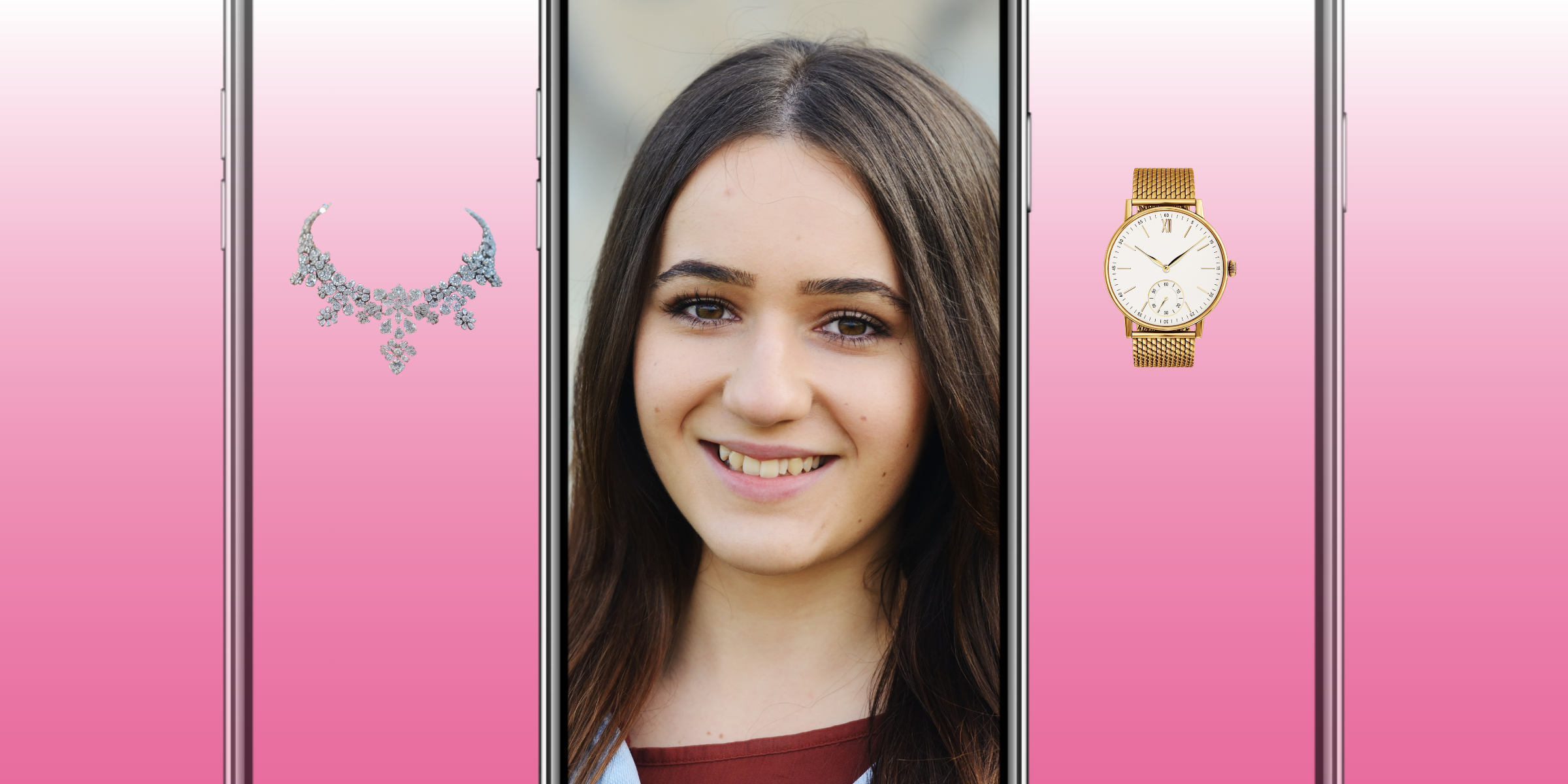
Virtual try-on is an innovative way that helps e-commerce brands and businesses to provide their customers with an engaging and interactive online shopping experience by enabling them to try new products using their device’s camera while sitting at home. With the help of the virtual try-on, online brands and businesses will get multiple advantages, as it helps them to improve user experience during online shopping, enhance engagement rate on the online store, increase conversions and sales, and reduce product returns.
Therefore, using a virtual try-on plugin for Shopify will also help businesses to provide their customers with a better user experience and interface on their store by enabling them to customize the tool while maintaining their image and identity throughout the website or app. With the increasing demand for the virtual try-on plugin among various e-commerce industries, such as fashion, jewelry, makeup, and more, there are multiple providers, which makes it difficult for the brand to select the best ones according to their needs and requirements.
Hence, to help you select the best virtual try-on plugin for Shopify, I have curated a list of the 5 best virtual try-on plugin providers for Shopify, which you can consider while selecting the best one for your business according to your needs and requirements. Let’s get started!
Glance at the table of the top virtual try-on plugin providers for Shopify
What is a virtual try-on plugin, and what are its key features?
The virtual try-on plugin is an online tool that helps users explore and try different products virtually in various shades and textures, providing them with an engaging and immersive shopping experience. It works on AR-powered, AI-driven technology that allows them to test products from different categories, such as jewelry, makeup, watches, and more, providing their customers with a real-time preview through smartphone cameras or webcams.
It also uses face mapping technology that detects and analyzes the facial features of users, including eyes, lips, and jawline, offering them a realistic, interactive, and personalized preview of products that will help them make better purchasing decisions without any physical application.
Apart from that, it also helps e-commerce businesses and brands to provide their customers with a personalized and satisfying experience, which will help them make confident purchases while improving their conversions on the e-commerce platform.
Key features
- Real-time AR simulation: It provides users with a realistic visualization of products on their face or body by using augmented reality technology while mapping and tracking their facial features and body movements to apply products in a realistic manner, which will also act like a digital mirror.
- Hyper-realistic rendering: It helps users to simulate the product features by using the 3D rendering technology, which will also enable them to understand the textures, finishes, and color accuracy of products before making any purchasing decisions, and help them understand how products will look on their skin tone.
- Before-and-after comparison: It allows users to compare the before and after results by offering them split-screen views with a toggle effect, which will help them to understand the difference between their natural look and applied products, so that they can make informed decisions with more confidence for selected products during virtual shopping.
- Accessible on multiple devices: It helps users to explore different products on various devices, such as mobile apps, e-commerce websites, and in-store smart beauty mirrors, which will provide them with a similar shopping experience while offering them the accessibility to explore products on any device.
Benefits of using a virtual try-on plugin on the Shopify platform
With the help of the virtual try-on feature, e-commerce businesses can provide their customers with better experiences and help them increase their trust, enabling the brand to boost its revenue and user satisfaction rate.
It also helps Shopify-based brands to increase their business revenue and growth by reducing product returns, driving more conversions, and increasing sales. In this section, I will tell you in brief about the advantages of using a virtual try-on plugin on Shopify for e-commerce brands and businesses.
1. Reduced product return rate
With the help of a virtual try-on feature, brands can provide their customers with a real-time shopping experience by using advanced technologies, such as augmented reality and 3D modeling. It helps users to make more informed decisions by providing them with AR overlays and 3D models of various products, reducing the uncertainty of product mismatch in terms of appearance, style, and proportion.
It also enables the brand to opt for a sustainable and cost-effective way by helping their customers make more informed and confident decisions during online shopping. Therefore, using this tool will help the brand to reduce the product return rate and increase customer satisfaction.
2. Enhanced user experience
By integrating the virtual try-on tool into the e-commerce platform, brands can provide their customers with an enhanced online shopping experience. It also provides them with a real-time and personalized experience by enabling them to select the product in different styles, sizes, and colors, according to their needs and requirements.
Apart from this, brands can also provide their customers with an in-person-like shopping experience by enabling them to explore products in 3 different ways, including model, live camera, and image, enabling them to virtually try different products before making any online purchases.
3. Streamlines inventory management
It helps the brand to streamline its inventory management by helping the brand manage its jewelry products according to the product selection made by its customers and providing them with accurate information depending on their inquiries.
With the help of this tool, brands can also reduce the product return rates, which will help them to opt for a sustainable and cost-effective way to manage their inventory, helping them to reduce the cost of physical sampling and product returns.
4. Cost savings
It helps businesses to reduce the overhead cost of trials, samples, and more by integrating the virtual try-on technology on their e-commerce website or app. It also cuts down the overhead cost from physical trials, inventory management, and returns, which will help the business to operate more efficiently while helping the brand to provide its customers with a hygienic product trial experience.
Therefore, it helps e-commerce brands and businesses to opt for more sustainable and cost-effective ways by enabling them to reduce unnecessary costs on physical samples, high-end photography sessions, and logistics, while offering their customers better services and offers during virtual shopping.
Different industries for which brands can use the virtual try-on plugin on Shopify
Virtual try-on is a revolutionary technology that is growing with time and has been helping the e-commerce industry to grow and provide its customers with an engaging and interactive shopping experience. With the help of its advanced features and technologies, it can be used for various industries, such as fashion, beauty, accessories, and home decor, which will help businesses to increase conversion rates and reduce product returns.
In this section, I will help you understand how the virtual try-on technology helps businesses and brands to display products interactively from different categories and sectors while building strong customer relationships.
1. Fashion and apparel
Various fashion and apparel brands are using the virtual try-on technology on their e-commerce websites and apps because it helps them to provide their customers with an engaging and immersive shopping experience by enabling them to select the products according to their body shape and size.
Apart from that, it also helps users to explore different footwear, watches, and jewelry products with real-time visualization, which will also enable them to check the fit and style of products and select designs according to their needs and preferences.
2. Beauty and cosmetics
By using the virtual try-on technology, various beauty and cosmetics brands can provide their customers with an immersive shopping journey by enabling them to select products in different shades and textures, according to their requirements.
It can also be used for lipsticks, eyeshadows, foundations, hair colors, nails, and more, which will help brands to bridge the gap between the online and offline shopping experiences.
3. Eyewear
Eyewear brands and businesses can use the virtual try-on technology on their e-commerce website or app, which will help their customers select the frames and styles according to their needs and preferences.
It will also help their customers to AR overlay different frames in various styles, shapes, and sizes by using their device’s camera, which will help the brand to increase its sales and conversions while fostering customer loyalty and trust.
4. Home decor and furniture
Home decor and furniture brands can also use the virtual try-on technology on their e-commerce website or app, which they can use to provide their customers with real-time visualization of furniture items and enable them to check their size and style according to their room.
Apart from that, it also helps designers to accelerate the process of home designing by enabling them to connect with their clients virtually and get feedback on digital prints to save their time and money.
{{component="/internal/widgets"}}
Top 5 virtual try-on plugin providers for Shopify-based brands
With the increasing demand for virtual try-on, there are multiple providers for different industries that provide e-commerce businesses with the online tool, along with various features. However, selecting the best ones according to needs and requirements requires lots of research and analysis because brands have to invest their time and effort in studying these tools.
In this section, I will help you understand more about the top 5 virtual try-on plugin providers for Shopify-based brands with their features, which brands can consider while selecting the best ones according to their business needs and requirements.
1. Kivisense

Kivisense is a virtual try-on solution provider that helps e-commerce businesses and brands to provide their customers with a better shopping experience. It helps users to personalize their wardrobe from head to toe with the help of virtual try-ons by using AR overlays on their live images or videos. It also helps the brand to reach a wider audience by providing them with a global network support system.
I tried the virtual try-on for clothes that provides users with a personalized clothing-fitting experience by using their device’s camera. It allows users to explore multiple clothes online with the help of 3D rendering to showcase every detail of the product, replicating the fabric textures and reflections. It also performs AI-powered body tracking to provide users with a real-time and natural try-on experience on different platforms, including mobile phones, pop-up stores, and physical stores.
It helps the brand to increase user engagement by keeping its customers engaged during the virtual try-ons on multiple platforms, including websites, boutique stores, and more. It also offers omnichannel integration that brands can use to reach a wider audience and provide them with a similar experience on multiple platforms. Therefore, it will help clothing brands to generate more leads and boost conversion rates by using AR and AI technologies.
Features
- Omnichannel integration: It allows brands to perform multiple channel integration of the software into smart kiosks, physical stores, official websites, and mobile apps, providing users with a similar shopping experience in both online and offline modes.
- Personalized experience: It provides users with a personalized experience of shopping and fitting measurements, enabling them to choose the best-fitted clothing product according to their body type and measurements.
- Enhanced conversions: It helps the brand to increase conversion rates by increasing user engagement on different devices, providing users with personalized experiences, and boosting profits and sales with the help of AR technology.
2. Camweara
Camweara is a virtual try-on solution provider that enables businesses and e-commerce stores to offer AR-based virtual try-ons to their audience. It provides high-quality and realistic try-ons for different industries, including jewelry, watches, hats, and eyewear. It provides businesses with accurate, fast, and lightweight virtual try-on technology to make their website or app more user-friendly.
I tried the virtual try-on SDK that helps users try on various products with the help of the device's camera while sitting at home. It provides them with a real-time visualization of the product with the help of a live camera or enables them to rotate the product by offering them a 3D model with a 360-degree preview. It helps users to make more informed and confident decisions by bridging the gap between online and offline shopping experiences.
It helps businesses to increase overall sales and conversion rates by helping users to make satisfactory transactions with virtual try-ons. It also enables the brand to build a better and enhanced customer relationship by providing them with a realistic visualization and improving their online shopping experience with the help of AR technology.
Features
- 360-degree preview: It provides a 360-degree preview of products to help users understand more about the specifications, size, and color. It also enables them to check the fit of the clothing item while performing a realistic virtual try-on.
- Lightweight SDK: It is a lightweight and fast SDK that assists developers in performing quick integration into the website or app while reducing the development time. It also provides accurate fitting of the product while improving the virtual in-store experience for users.
- Reduce returns: It helps businesses reduce their product return rate by providing their users with an accurate product according to their needs. It enables the brand to become economical and provide sustainable solutions.
3. Banuba
Banuba is a high-quality virtual try-on SDK that offers multiple augmented reality-based solutions for e-commerce platforms, including makeup, video editor, face, and beauty AR. It helps brands enhance their sales and build stronger customer relationships by providing users with the facility to try different makeup products virtually before making a purchase.
With the help of its virtual try-on tool, online brands and businesses can provide their customers with an improved online shopping experience by helping them select the most appropriate products according to their needs and requirements. It is an easy-to-integrate plugin that allows brands to provide a seamless user experience by integrating the plugin smoothly with the Shopify-based e-commerce platform.
It provides a real-time try-on experience to the users with the help of artificial intelligence and augmented reality, to deliver a realistic makeup look through their device camera. It also has ultra-precise AI face tracking that helps users check the product placement on their face, as it tracks the face by identifying 36 characteristics represented as face morphs.
Features
- Cross-platform compatibility: It shows compatibility with different Android and iOS devices and browsers, which allows them to provide a seamless user experience irrespective of online or in-store shopping.
- Look creation: It enables users to apply multiple AR products simultaneously to create different looks using multiple products. It helps them to select which products will provide them with multiple looks for both beauty and clothing products.
- 3D Face tracking: It uses the advanced face tracking technology that enables users to try products on their face, along with different facial expressions and face positions during the try-on.
4. MirrAR
MirrAR is an AR solution provider for e-commerce brands and websites that helps them increase their sales and boost user engagement. It offers virtual try-on for different industries, including eyewear, watches, makeup, jewelry, and apparel. It allows businesses to provide a virtual interactive shopping experience to users by enabling them to experiment with various makeup products virtually.
I tried their virtual try-on, which helps users select the accurate shade and product according to their needs and preferences. It increases the user's online shopping experience by allowing them to see the product application on their face before making any purchase decision. It also helps the e-commerce brand to reduce its product return rate by reducing the shade mismatch uncertainty among customers.
It offers a feasible way for users to try different products during online shopping without any hygiene concerns and reduces the need for a physical in-store visit. Hence, using its virtual makeup try-on helps the brands to provide a better and seamless shopping experience, which builds their trust and relationships with the users.
Features
- Multi-platform interface: It allows brands to increase their audience reach by providing them with a cross-device interface, which shows compatibility with different web browsers, mobile applications, and smart mirrors, helping the brands to reach a wider audience.
- Face tracking technology: It allows users to have real-time adjustments and placements of the blush products during the virtual try-ons with the help of its cutting-edge face tracking technology.
- Seamless integration: It provides easy-to-integrate software with the e-commerce platform, which offers a seamless virtual try-on experience for customers with an interactive and engaging shopping experience.
5. Auglio
Auglio is an AI-based solutions provider that helps brands from different industries, including eyewear, headwear, jewelry, and cosmetics, enhance customer experience. It uses AR technology that helps brands deliver an engaging and personalized shopping experience for their customers. It helps businesses to improve conversions, reduce returns, and opt for sustainable sales strategies with the help of immersive virtual tools.
With the help of its virtual try-on solution, brands can allow their customers to discover multiple makeup products, such as lipstick, eyeshadow, and eyeliner, enabling them to make confident decisions. It offers precise face-mapping and tracking algorithms that help users understand the makeup application by detecting facial features and applying virtual products in a realistic manner.
It provides brands with a seamless and engaging way to help users visualize makeup products before buying, helping them to foster user trust and loyalty towards the seller. It also helps the brand increase user engagement, minimize returns, and foster sustainability by eliminating excess sampling costs. It also provides brands with white-label integration, customization options, and data-driven insights, which will help them to provide users with a user-friendly experience.
Features
- Enhanced experience: It provides users with an enhanced shopping experience by enabling them to explore products using virtual try-ons and 3D models, which will help the brand to increase its satisfaction rate and conversion while building stronger customer relationships.
- Informed decision-making: It helps users to make more informed and confident decisions by helping them explore and select the best products with the help of visualization and virtual try-ons, boosting their confidence and increasing conversion rates.
- Seamless integration: It provides brands with seamless integration of the software with the pre-existing e-commerce platforms, which will be assisted by their IT team for a straightforward integration process.
Tips to select the best virtual try-on plugin provider for the Shopify platform
Using a virtual try-on feature helps businesses to enhance their conversion rate and provide their customers with a better online shopping experience by enabling them to explore and try different products while sitting at home. It also helps businesses to improve experience and boost engagement on their website or application by providing their customers with engaging and exciting features.
Since a virtual try-on feature helps businesses in multiple ways, selecting the best virtual try-on is still a cumbersome task because it consumes lots of time, as it requires lots of research to understand the features and specifications that align with your business goals and needs. Therefore, in this section, I have listed a few tips that you can consider while choosing the best virtual try-on solution for your e-commerce website or app.
1. User experience
To make navigation and the experience easier for users, always select a plugin that provides an excellent and easy-to-use user interface because it will ensure a smooth and natural experience for end users.
You can also look for enhanced features, such as improved UI/UX, multi-angle views, and options for both live camera and photo upload modes, which will help you ensure a seamless user experience for your customers.
2. Features
While selecting a virtual try-on for your brand, you can also look for some advanced features, such as precise head mapping, 360-degree rotation, spinning, and zoom, which will help your customers to opt for products that offer them accurate fit adjustments.
You can also pick out some advanced features in a Shopify plugin that will enable you to offer AI-driven recommendations, analyze user features (face shape, skin tone, etc.), and suggest the most suitable products, which will help you as a brand to increase conversion rates.
3. Pricing and support
While selecting the virtual try-on, always opt for the one that aligns with your company's budget and growth plans and helps you to provide your customers with engaging and immersive features.
You can also compare the pricing structure, offerings, and features of different AR try-on solution providers to understand which one aligns best with your business plans by evaluating their pricing models, trial options, and technical support.
4. Updates and maintenance
While selecting the virtual try-on, always make sure to opt for the one that offers good services after purchase and implementation, because it will help you to provide your customers with a smooth and seamless experience.
You can also opt for the virtual try-on that provides regular updates and maintenance while helping you to understand that all the features are running smoothly and incorporate new functionalities.
How to integrate a virtual try-on plugin with the Shopify platform?
Using a virtual try-on on your website or app can transform your relationships with your customers because it will help you to increase your engagement rate, reduce your return rate, and enhance your conversion rate while offering them an engaging and immersive shopping experience.
Since using a virtual try-on helps businesses to enhance their customer relationships, sales, and conversions, on the other hand, to make sure that your customers get an enhanced experience, it is very important to integrate the SDK properly with your e-commerce platform.
To help you understand how to integrate the virtual try-on into your app or website, I will provide you with a list of various steps that you can consider to understand the perfect implementation of a virtual try-on plugin on the Shopify platform.
1. Select a suitable plugin provider
Always select a virtual try-on plugin that helps you to meet your expectations from your business goals, which also include technical resources and the desired user experience. While choosing the virtual try-on, always consider some exciting factors, such as the realism and accuracy of AR overlays, device and platform compatibility, integration support and documentation, and pricing and licensing.
2. Integrate the plugin with the Shopify platform
After selecting the virtual try-on plugin provider, it’s time to integrate the virtual try-on into the e-commerce website or app while aligning it with the brand’s image and identity. You can also integrate or add the plugin with the e-commerce platform seamlessly by adding the plugin library to your project, configuring permissions, embedding AR components into product pages or a dedicated try-on feature, and connecting the plugin to your product catalog for dynamic updates.
3. Enable 3D model creation
After integrating the plugin on your e-commerce platform, it's time to develop high-quality 3D models of your products from scratch or convert the pre-existing 2D images of your products to provide your customers with a realistic try-on experience.
To present your products in stunning detail on your e-commerce platform, you can opt for various methods, such as 3D scanning to create precise digital replicas, photogrammetry to construct models from a collection of product images, and manual 3D modeling to construct digital assets.
4. Test and deploy
After you've constructed and integrated the 3D models for your product, rigorous testing of the virtual try-on feature across different devices and platforms is essential. This process confirms that everything operates as it should.
To gather authentic feedback, consider user beta testing to fine-tune the user experience and address any plugin bugs before the final launch. After the completion of the testing, you can position the virtual try-on plugin on your website to provide your users with an advanced online shopping experience.
{{component="/internal/widgets"}}
Brands that are using a virtual try-on plugin on the Shopify platform
Various brands and businesses are using the virtual try-on feature on their e-commerce stores and websites, enabling them to explore new products and services virtually while sitting at home. Some of the industries for which the virtual try-on is being used are jewelry, makeup, clothing, and more, which will also help them to reduce their returns and improve their sales while enabling them to build stronger bonds with their customers.
In this section, I will provide you with detailed information about some of the brands that are using the virtual try-on on their website or app to provide their customers with an enhanced and interactive shopping experience.
1. NARS
NARS Cosmetics is a leading beauty and makeup brand that provides high-quality makeup products, including foundation, blush, lipsticks, and more. It also offers real-time virtual try-on technology that enables customers to enhance their online shopping experience. It enables users to select the right blush shade with the help of virtual try-ons by using augmented reality technology.
It also offers some user controls, such as zooming in and out, before-and-after comparison, and downloadable images for future reference. It helps users to make more informed and satisfactory decisions, which reduces the uncertainty of shade mismatch.
2. MAC
MAC Cosmetics offers an advanced virtual try-on for different makeup products such as foundations, blush, eyeliner, and more. It provides its customers with the advantage of trying different makeup products virtually before making any final purchase decision. It helps them reduce the product uncertainty and reduces the product return rate, which helps the brand to opt for sustainable and economical options.
It also provides users with a before-and-after comparison feature to help them understand the difference after applying blush to their face. Hence, using the virtual try-on for blush helped the brand and its users to build a stronger relationship.
Conclusion
When it comes to understanding which virtual try-on plugin provider is the best for the Shopify-based e-commerce brands and businesses, you have to look at various factors, such as features, benefits, and pricing plans. However, researching different products is time-consuming and frustrating; it also takes a lot of resources for the brand while selecting the best ones according to their needs.
Therefore, in this blog, I have curated the list of the top 5 virtual try-on plugin providers for the Shopify platform and how you can select the best ones according to your needs and requirements. Hence, it will also help you to save time and effort to select the most appropriate plugin provider for your business according to your needs and requirements while helping you to build stronger relationships with your customers.
During virtual try-on technology, brands have to focus on high-quality, well-lit, front-facing product images with a clean or transparent background, which will help them to provide their customers with better visualizations of products during online shopping. Apart from that, brands can also improve the image quality by using consistent angles and minimal shadows, which will help them to ensure that the technology can properly map the product onto users for a realistic experience.
Virtual try-ons can have minimal impact on the speed and performance of the Shopify store, which can be reduced by doing appropriate optimization of the digital assets. Most apps use lightweight scripts or external processing, so performance remains stable, especially if images and assets are properly compressed.
Yes, brands can customize the virtual try-on button that will help them to maintain their image and identity throughout the website or app. Along with the virtual try-on, brands get multiple options, which they can use to change color, size, text, placement, and style to match the store’s branding and improve user experience.
Yes, the majority of virtual try-on plugins show compatibility with the Shopify platform, as they are built to mesh with contemporary themes and leverage the updated architecture, which will also provide the brand with better performance and simpler customization options. It will help brands to offer customers improved real-time visualizations, which will also provide them with a more engaging and satisfying experience on the e-commerce site.
Yes, most of the virtual try-ons are designed to work on mobile devices, as they support smartphones and tablets, which will enable them to use the camera for real-time interaction to provide their customers with a seamless experience across different screen sizes.
Yes, brands can test the plugin through demos, sandbox environments, preview modes, or free trials before making the official launch live. It will also enable them to verify functionality, user experience, and compatibility, so that they can provide their customers with improved experiences without any glitches or inconvenience.
Discover how AR, VR and 3D can drive revenue growth in 2026
Schedule a call with our team

.avif)