


AR Shopping in the Metaverse: Top Platforms for Brands


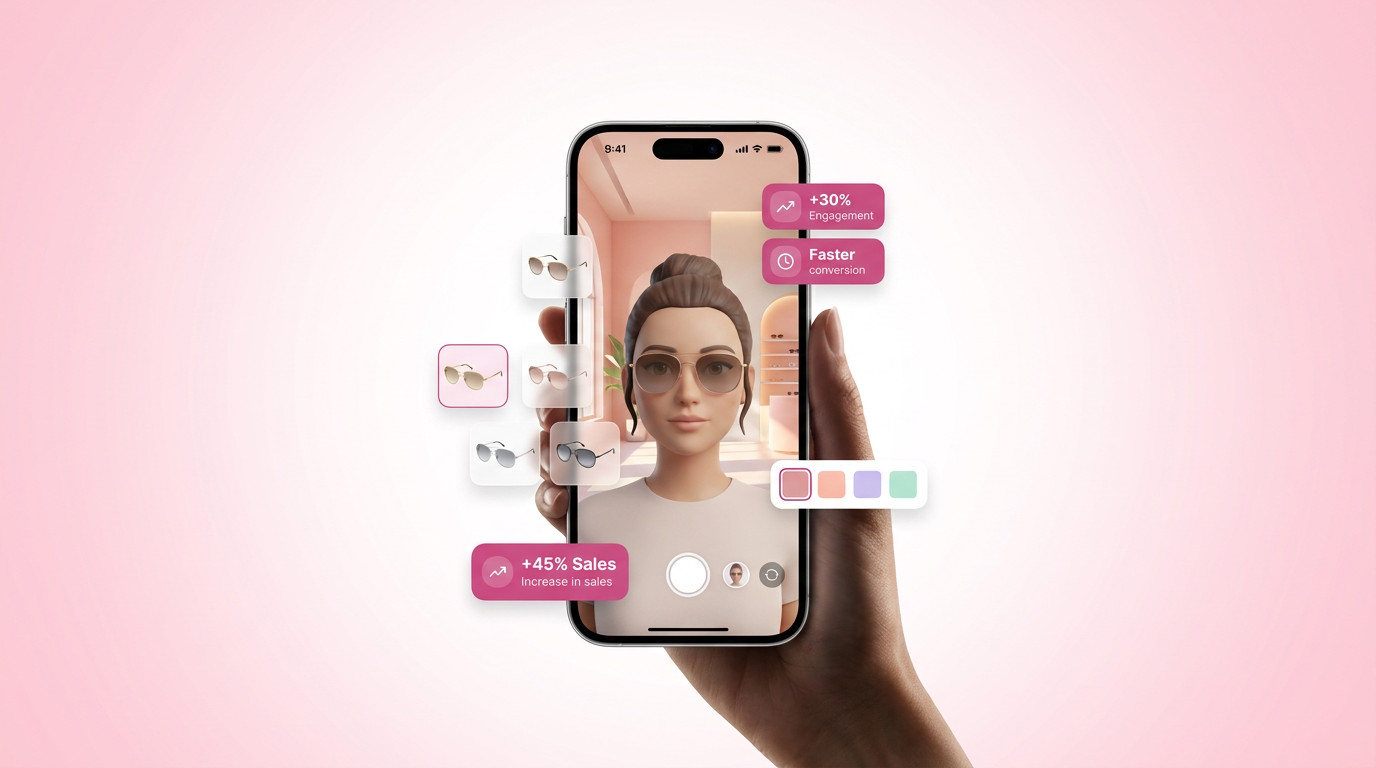
AR shopping metaverse experiences are quickly moving from experimental novelty to a core retail channel, and the numbers back it up. Bloomberg Intelligence projects the metaverse market will reach USD 82 billion by 2030, while Precedence Research pegs the broader AR market at USD 149.57 billion in 2025 alone. These are not speculative figures tossed around at tech conferences. They reflect real investment from brands that have already seen what immersive commerce can do for engagement, conversion, and customer loyalty.
The concept is straightforward in theory but transformative in practice. Instead of browsing flat product images on a website, shoppers walk through fully rendered virtual stores, try on products using augmented reality overlays, and interact with 3D merchandise as if they were physically present. This collapses the gap between online convenience and in-store confidence, which has been the central tension in e-commerce since its inception.
For brands evaluating this space, the question is no longer whether metaverse shopping will matter. It already does. Nike has built .SWOOSH. Gucci launched Gucci Town on Roblox. Charlotte Tilbury created a full virtual beauty store. The real question is which platform and approach will deliver measurable returns rather than just flashy press coverage.
This guide breaks down how AR shopping works inside the metaverse, reviews the top eight platforms powering these experiences, and lays out what brands need to know before committing budget and resources. Every platform listed here has been evaluated on real capabilities, not marketing promises.
{{component="/internal/widgets"}}
What is AR shopping in the metaverse, and how does it work?
AR shopping in the metaverse combines augmented reality technology with persistent virtual environments to create retail experiences that go far beyond traditional e-commerce. In a metaverse shopping scenario, customers enter a three-dimensional virtual space, often through a web browser, VR headset, or mobile app, and interact with products the same way they would in a physical store. They can pick up items, rotate them, view them from every angle, and in many cases, use AR to project those products into their real-world surroundings before purchasing.
The underlying technology stack typically involves 3D rendering engines, spatial computing, real-time multiplayer infrastructure, and AR frameworks that overlay digital objects onto physical spaces through device cameras. When a shopper enters a virtual store built on platforms like GlamAR or Obsess, they navigate a branded environment that mirrors or reimagines the brand's physical retail presence. Product data, pricing, and inventory sync with existing e-commerce backends, so the experience is not just visual but fully transactional.
What separates this from standard online shopping is the depth of interaction. A customer shopping for sunglasses can virtually try them on using facial tracking. Someone browsing furniture can place a 3D sofa in their living room at accurate scale. A luxury fashion shopper can walk through a curated boutique, examine fabric textures up close, and check out without leaving the environment. The entire purchase funnel, from discovery through checkout, happens inside an immersive context that drives significantly higher engagement than flat product pages.
Core features of metaverse AR shopping
- 3D virtual storefronts: Fully navigable branded environments that replicate or enhance physical retail spaces
- AR try-on and product visualization: Real-time overlay of products onto the shopper's body or environment using device cameras
- Spatial product interaction: Ability to rotate, zoom, and inspect merchandise in three dimensions
- Integrated checkout: Direct purchase capability within the virtual environment without redirecting to external pages
- Multiplayer and social shopping: Shared experiences where friends can browse and shop together in real time
- Analytics and heatmaps: Behavioral data on how shoppers move through virtual spaces, what they interact with, and where they drop off
Benefits of AR shopping in the metaverse for brands
The business case for virtual shopping in the metaverse rests on measurable improvements across the metrics that matter most to retail and e-commerce teams. These are not theoretical advantages. Brands running AR-powered virtual stores are reporting concrete gains in engagement, conversion, and customer retention.
- Dramatically higher engagement rates: Immersive 3D environments hold attention far longer than traditional product pages. GlamAR-powered virtual stores report up to 94% engagement rates, which translates directly into more time spent with products and stronger purchase intent.
- Reduced return rates: When customers can visualize products accurately before buying, whether through AR try-on for apparel or 3D placement for furniture, they make better-informed decisions. Brands using GlamAR's AR tools have seen return rates drop by as much as 40%, saving significant logistics and restocking costs.
- Higher conversion rates: The combination of immersive browsing and confident product evaluation pushes more shoppers through checkout. Conversion rates of up to 45% have been documented in AR-enabled virtual store environments, compared to industry averages of 2-3% for standard e-commerce.
- Stronger customer retention: Shoppers who experience a brand through an immersive metaverse store are far more likely to return. GlamAR reports 4x retention rates compared to conventional online shopping channels, driven by the novelty, personalization, and memorability of the experience.
- Global reach without physical footprint: A virtual store operates everywhere simultaneously. Brands can deliver flagship-quality retail experiences to customers in markets where they have no physical presence, eliminating the capital requirements of international brick-and-mortar expansion.
- Rich behavioral data: Virtual environments generate granular analytics that physical stores cannot match. Brands can track exactly how shoppers navigate, which products they inspect, how long they spend in each section, and where friction occurs in the purchase flow.
Top 8 AR shopping experiences in the metaverse
The platforms listed below represent the current landscape of metaverse commerce solutions. Each has been evaluated based on the quality of the shopping experience it delivers, the depth of its AR capabilities, its integration with real commerce backends, and its track record with actual brand deployments. See our complete guide on How 3D Visualization Improves Online Shopping Experience for a deeper dive. See our complete guide on Top Brands Using AR in Retail: 10 Case Studies That Work for a deeper dive.
1. GlamAR
GlamAR stands at the front of the AR shopping metaverse space by offering a complete, end-to-end platform that handles everything from virtual store creation to AR product try-on to integrated checkout. Built by Fynd, which processes commerce at scale across major retail brands in India and globally, GlamAR brings production-grade infrastructure to metaverse retail rather than treating it as a standalone experiment.
What sets GlamAR apart is the combination of its 3D virtual store builder with robust AR try-on technology. Brands can design fully immersive storefronts that match their identity, populate them with 3D product catalogs, and layer in AR features that let customers try products before purchasing. The platform supports beauty, fashion, eyewear, jewelry, and home decor verticals with category-specific AR modules that deliver accurate, realistic product visualization.
The performance metrics speak for themselves. Brands deploying GlamAR-powered virtual stores consistently report 94% engagement, 45% conversion rates, a 40% reduction in returns, and 4x customer retention compared to standard e-commerce channels.
- No-code virtual store builder with drag-and-drop 3D environment design
- AR try-on for makeup, eyewear, jewelry, watches, and accessories
- 3D product visualization with real-time rotation and zoom
- Full e-commerce integration with cart, checkout, and inventory sync
- Spatial analytics dashboard tracking shopper behavior and engagement
- White-label deployment under the brand's own domain
2. Obsess
Obsess has carved out a strong position in luxury and fashion metaverse retail by focusing on high-fidelity branded virtual stores that feel more like editorial experiences than standard shopping environments. The platform has powered virtual stores for brands including Ralph Lauren, Coach, and Charlotte Tilbury, delivering visually rich environments that prioritize brand storytelling alongside commerce.
The Obsess approach leans heavily into custom design. Each virtual store is built as a bespoke environment rather than assembled from templates, which produces impressive visual results but also means longer development timelines and higher costs compared to platforms with self-serve builders.
- Custom-designed 3D branded environments
- Gamification features including treasure hunts and rewards
- Social shopping with multiplayer capabilities
- Analytics on shopper navigation and product interaction
3. Emperia
Emperia focuses on luxury retail in the metaverse, providing virtual store solutions for high-end fashion and lifestyle brands. The platform emphasizes photorealistic rendering and spatial design that mirrors the ambiance of flagship physical stores, making it particularly appealing to luxury houses that cannot compromise on visual quality.
Emperia's virtual environments support product browsing, detailed inspection, and direct purchase, with integrations into existing e-commerce platforms. The company has worked with brands like Dior and Bloomingdale's to create virtual retail experiences that maintain the exclusivity and attention to detail that luxury consumers expect.
- Photorealistic virtual store rendering
- Luxury-focused design and user experience
- E-commerce backend integration for direct purchasing
- Virtual event and launch hosting capabilities
4. AnamXR
AnamXR provides an accessible entry point for brands exploring metaverse commerce without committing to fully custom-built environments. The platform offers a virtual store builder that allows brands to create 3D shopping experiences with relatively short setup times, making it suitable for mid-market brands and those running time-limited campaigns or seasonal pop-ups.
The platform supports product display in 3D, basic interactive elements, and checkout integration. While it lacks the depth of AR features found in platforms like GlamAR, AnamXR delivers solid virtual store functionality for brands whose primary goal is immersive product presentation rather than augmented reality try-on.
- Template-based virtual store creation
- 3D product display and interaction
- Campaign and pop-up store support
- Basic analytics and engagement tracking
5. ByondXR
ByondXR positions itself as an enterprise-grade virtual reality shopping platform with a focus on scalability and integration with existing retail tech stacks. The platform has been adopted by brands including Lancôme and Kendra Scott for virtual store experiences that connect directly with their product catalogs and inventory systems.
ByondXR's strength lies in its commerce infrastructure. The platform handles product data syncing, real-time inventory updates, and transactional checkout within virtual environments, which makes it practical for brands that need their metaverse presence to function as a real sales channel rather than a brand awareness exercise.
{{transform="/internal/widgets"}}
- Enterprise commerce integration with real-time inventory sync
- Scalable virtual environment hosting
- Product configurator for customizable merchandise
- Multi-language and multi-currency support
6. Spatial
Spatial started as a virtual meeting and collaboration platform but has expanded significantly into metaverse commerce and virtual events. Brands use Spatial to create immersive spaces where customers can browse products, attend launches, and interact with brand representatives in real time. The platform runs directly in web browsers and on mobile devices, removing the friction of app downloads or VR headset requirements.
The social dimension is Spatial's differentiator. Shoppers appear as avatars and can interact with each other and with brand hosts, creating a communal shopping experience that mimics the social aspects of in-store retail. This makes Spatial particularly effective for product launches, exclusive drops, and community-driven brands.
- Browser-based access with no downloads required
- Avatar-based social interaction and multiplayer shopping
- NFT and digital goods marketplace integration
- Live events and product launch hosting
7. Roblox Commerce
Roblox has evolved from a gaming platform into one of the most active metaverse commerce environments, particularly for brands targeting younger demographics. With over 70 million daily active users, Roblox offers brands an audience scale that purpose-built metaverse platforms cannot match. Nike, Gucci, and Vans have all launched branded experiences on Roblox that blend gaming mechanics with product discovery and virtual merchandise sales.
The commerce model on Roblox currently centers on virtual goods (avatar items, limited-edition digital products) rather than traditional physical product sales, though the platform is actively building bridges between virtual and physical commerce. For brands, Roblox serves as both a revenue channel for digital goods and a massive brand awareness engine for physical product lines.
- Massive built-in audience of 70+ million daily active users
- Virtual merchandise and limited-edition digital product sales
- Branded game and experience creation tools
- Strong engagement with Gen Z and Gen Alpha demographics
8. Decentraland Shopping
Decentraland represents the decentralized, blockchain-native end of the metaverse shopping spectrum. Built on Ethereum, the platform allows brands to purchase virtual land and build permanent retail spaces in a user-owned virtual world. Samsung, Sotheby's, and several fashion brands have established presences in Decentraland, using the platform for virtual showrooms, art galleries, and product launches.
The blockchain infrastructure means that transactions, ownership, and digital assets within Decentraland are verifiable and tradeable, which appeals to brands experimenting with NFTs and tokenized loyalty programs. However, the platform's user base remains smaller than centralized alternatives, and the technical barriers to entry are higher for both brands and consumers.
- Decentralized, blockchain-based virtual world
- Permanent virtual real estate ownership
- NFT integration for digital merchandise and collectibles
- Community governance and user-owned economy
Industries adopting AR metaverse shopping
The adoption of AR shopping in the metaverse is not limited to a single vertical. Multiple industries are finding that immersive virtual commerce solves specific pain points unique to their product categories and customer behavior patterns.
Beauty and cosmetics
Beauty brands were among the earliest adopters of AR commerce because the product category practically demands try-before-you-buy functionality. AR-powered virtual try-on for makeup, skincare visualization, and shade matching eliminates the guesswork that leads to returns in online beauty purchases. Brands like Charlotte Tilbury and Lancôme have built full virtual beauty stores where customers test products on their own faces before adding them to cart.
Fashion and apparel
Fashion benefits enormously from metaverse retail because clothing and accessories are inherently visual and experiential. Virtual showrooms allow brands to present collections in curated environments that communicate styling context, while AR try-on for accessories, eyewear, and footwear addresses fit and style concerns that drive apparel return rates above 30% in traditional e-commerce.
Luxury goods
Luxury houses use metaverse stores to extend the exclusive, high-touch experience of flagship boutiques to digital channels. Virtual environments recreate the ambiance, materials, and presentation standards that luxury consumers expect, while AR visualization lets buyers inspect craftsmanship details, try on watches and jewelry, and experience products with a level of intimacy that flat product photography cannot deliver.
Furniture and home decor
Furniture is one of the strongest use cases for AR metaverse commerce because the primary purchase barrier is spatial. Customers need to know whether a piece will fit their room, match their existing decor, and look right at scale. AR room placement tools solve this problem directly, allowing shoppers to project full-size 3D furniture into their actual living spaces through their phone or tablet cameras.
Automotive
Automotive brands use virtual showrooms to let customers configure and explore vehicles in 3D, examining interior materials, color options, and feature packages without visiting a dealership. While the final purchase still typically happens through traditional channels, the metaverse showroom functions as a powerful top-of-funnel tool that qualifies leads and shortens the decision cycle.
Real estate
Virtual property tours have existed for years, but metaverse real estate experiences take this further by placing properties in navigable 3D environments where buyers can walk through spaces, inspect finishes, and even visualize different furniture arrangements. This is particularly valuable for off-plan developments and international buyers who cannot visit properties in person.
Tips for brands entering metaverse commerce
Launching an AR shopping experience in the metaverse requires more than selecting a platform and uploading a product catalog. Brands that see real returns from metaverse commerce treat it as a strategic initiative with clear objectives, not a one-off marketing stunt.
Start with a clear commercial objective
Define what success looks like before building anything. Are you driving direct product sales through a virtual store? Building brand awareness with a younger demographic? Reducing return rates through AR try-on? The objective determines which platform, features, and measurement framework you need. Brands that launch metaverse experiences without clear KPIs struggle to justify continued investment.
Choose a platform that matches your technical capacity
Some platforms require custom 3D development and months of build time. Others, like GlamAR's metaverse store builder, offer no-code tools that let brands launch virtual stores in days. Be honest about your team's technical capabilities and timeline constraints when selecting a platform.
Prioritize mobile and browser access
VR headset ownership remains limited. The most successful metaverse shopping experiences are accessible through standard web browsers and mobile devices, meeting customers where they already are rather than requiring hardware they do not own. Platforms that demand app downloads or specialized equipment will limit your addressable audience significantly.
Integrate with your existing commerce stack
A virtual store that does not connect to your real inventory, pricing, and checkout system is a demo, not a sales channel. Ensure the platform you choose integrates with your e-commerce backend (Shopify, Magento, Salesforce Commerce Cloud, or custom) so that product data stays synchronized and purchases flow through your established fulfillment pipeline.
Design for engagement, not just aesthetics
Beautiful virtual environments impress visitors on first entry but do not guarantee commercial results. Design your metaverse store around the shopping journey: clear navigation, intuitive product discovery, prominent calls to action, and frictionless checkout. Every design decision should move shoppers closer to a purchase, not just look impressive in a screenshot.
Measure and iterate continuously
Virtual stores generate rich behavioral data that physical stores cannot match. Use spatial analytics to understand how shoppers navigate your environment, which products draw the most interaction, where drop-offs occur, and what drives conversion. Treat your metaverse store as a living channel that improves with each iteration, not a set-and-forget project.
How does GlamAR's virtual store builder power metaverse shopping?
GlamAR provides the most comprehensive solution for brands that want to launch AR-powered metaverse shopping experiences without building custom 3D infrastructure from scratch. The platform combines a no-code virtual store builder with production-grade AR technology and full e-commerce integration, delivering everything a brand needs to go from concept to live virtual shopping channel in a fraction of the time and cost of custom development.
The virtual store builder lets brands design immersive 3D environments using drag-and-drop tools, choosing from customizable templates or building entirely from scratch. Products are displayed as interactive 3D models that shoppers can rotate, zoom, and inspect from every angle. For categories where try-on matters (beauty, eyewear, jewelry, accessories), GlamAR layers in AR modules that use the shopper's device camera to overlay products in real time with accurate sizing, positioning, and lighting.
On the commerce side, GlamAR integrates directly with major e-commerce platforms, syncing product catalogs, inventory levels, and pricing in real time. Checkout happens inside the virtual store, so shoppers complete their purchase without being redirected to a separate website. The platform also provides a spatial analytics dashboard that tracks every aspect of shopper behavior, from navigation patterns and product interaction times to cart additions and conversion funnels.
For brands operating across multiple markets, GlamAR supports multi-language and multi-currency configurations, white-label deployment under the brand's own domain, and responsive design that works across desktop browsers, mobile devices, and VR headsets. The result is a metaverse retail channel that operates at the same level of reliability and sophistication as the brand's primary e-commerce presence.
Brands already shopping in the metaverse
The most convincing evidence that AR shopping in the metaverse has arrived comes from the brands already operating in this space. These are not experimental pilots buried in innovation labs. They are public-facing retail experiences backed by significant investment from some of the world's largest consumer brands.
Nike (.SWOOSH)
Nike launched .SWOOSH as its dedicated Web3 and metaverse platform, allowing customers to collect, trade, and eventually co-create virtual sneakers and apparel. The platform bridges Nike's physical product lines with digital collectibles, creating a new revenue stream while deepening engagement with sneaker culture enthusiasts. Nike also built Nikeland on Roblox, which has attracted millions of visitors who interact with the brand through games, challenges, and virtual product exploration.
Gucci Town (Roblox)
Gucci Town is a persistent branded world on Roblox where visitors explore Gucci-themed environments, participate in creative activities, and purchase virtual Gucci items for their avatars. The experience goes beyond a simple virtual store by creating an entire branded universe that communicates Gucci's aesthetic and values. Some limited-edition Gucci virtual items have resold for prices exceeding their physical counterparts, demonstrating genuine consumer demand for digital luxury goods.
Ralph Lauren
Ralph Lauren has deployed multiple metaverse retail experiences across different platforms, including a holiday-themed virtual store on Obsess and a presence on Roblox. The brand uses these environments to present collections in curated settings that reflect Ralph Lauren's lifestyle positioning, blending product commerce with brand storytelling in a way that traditional e-commerce pages cannot achieve.
Samsung
Samsung built Samsung 837X in Decentraland, a virtual recreation of its flagship experience center in New York City. The virtual space hosted product launches, live events, and interactive brand experiences, demonstrating how consumer electronics brands can use the metaverse to showcase products that benefit from hands-on exploration. Visitors could interact with Samsung devices in 3D, attend virtual keynotes, and participate in exclusive drops.
Charlotte Tilbury
Charlotte Tilbury created one of the most commercially focused virtual beauty stores in the metaverse, built in partnership with Obsess. The experience allows customers to browse the full product range in a glamorous 3D environment, use AR to try on makeup virtually, and purchase directly within the store. The integration of AR try-on with immersive retail design makes Charlotte Tilbury's virtual store one of the best examples of metaverse commerce that actually drives sales rather than just brand awareness.
{{revolution="/internal/widgets"}}
AR shopping in the metaverse has moved past the hype phase and into practical deployment. The platforms reviewed in this guide represent a maturing ecosystem where brands can build immersive retail experiences that deliver measurable commercial results. With the metaverse market projected to reach USD 82 billion by 2030 and the AR market already at USD 149.57 billion, the infrastructure, consumer readiness, and brand investment are all converging.
The brands seeing the strongest returns are those treating metaverse commerce as a real sales channel with proper integration, clear KPIs, and continuous optimization, not as a one-time PR activation. Platforms like GlamAR make this accessible by combining no-code store building, production-grade AR, and full e-commerce integration into a single solution that delivers 94% engagement and 45% conversion rates.
For any brand considering this space, the path forward is clear: define your objectives, choose a platform that matches your capabilities and commerce requirements, launch with a focused experience, and iterate based on the rich behavioral data these environments provide. The early movers already have a head start, but the market is growing fast enough that well-executed entries will still capture significant value.
AR shopping in the metaverse lets customers browse 3D virtual stores, try on products using augmented reality through their device cameras, and purchase items directly within immersive digital environments that replicate or enhance physical retail spaces.
GlamAR offers the most complete solution with no-code store building, AR try-on, and full e-commerce integration. It delivers 94% engagement and 45% conversion rates, making it ideal for brands that want results without custom 3D development.
No. Most metaverse shopping platforms work through standard web browsers and mobile devices. VR headsets are optional and enhance the experience but are not required. Browser-based access ensures brands reach the widest possible audience.
AR try-on lets customers see exactly how products look on them or in their space before buying. This eliminates guesswork about fit, color, and scale. Brands using GlamAR report up to 40% fewer returns compared to standard online shopping.
Beauty, fashion, luxury, furniture, automotive, and real estate see the strongest results. These categories benefit from AR try-on and 3D visualization because purchasing decisions depend heavily on seeing products in personal or spatial context.
Costs vary widely. Custom-built experiences on platforms like Roblox or Decentraland can require significant development budgets. No-code platforms like GlamAR dramatically reduce costs and timelines, letting brands launch virtual stores in days rather than months.
Discover how AR, VR and 3D can drive revenue growth in 2026
Schedule a call with our team

.avif)